 Clinic
Review Article | DOI: https://doi.org/10.31579/2834-5029/92
Repurposing Legacy Drugs Using Advanced Nanocarriers: A Transformative Approach to Modern Therapeutics
1Riggs Pharmaceuticals; Department of Pharmacy, University of Karachi, Pakistan.
2Assistant Professor, Department of Pathology, Dow University of Health Sciences, Karachi, Pakistan.
*Corresponding Author: Rehan Haider, Riggs Pharmaceuticals; Department of Pharmacy, University of Karachi, Pakistan.
Citation: Rehan Haider, Hina Abbas., (2025). Repurposing Legacy Drugs Using Advanced Nanocarriers: A Transformative Approach to Modern Therapeutics., International Journal of Biomed Research, 4(6); DOI: 10.31579/2834-5029/92
Copyright: © 2025, Rehan Haider. This is an open access article distributed under the Creative Commons Attribution License, which permits unrestricted use, distribution, and reproduction in any medium, provided the original work is properly cited.
Received: 04 December 2025 | Accepted: 19 December 2025 | Published: 29 December 2025
Keywords: drug repurposing; nanocarriers; nanoparticle transfer, liposomes; pharmacokinetics; heritage drugs; nano-formulation; therapeutic index
Abstract
Drug repurposing, the process of finding new healing clues for once possible drugs, is an economical and time-saving alternative to the usual drug finding. Despite their healing potential, many repurposed or inherited drugs have disadvantages, including weak solubility, brisk intestinal absorption, substandard tissue penetration, and wide toxicity to date, advances in nanotechnology have considerably overcome the aforementioned disadvantages by contributing to point or direct at a goal, sustained release, and enhanced bioavailability. Herein, this study integrates data from preclinical and dispassionate troubles to evaluate in what way or manner state-of-the-art nanocarriers, containing polymeric nanoparticles, liposomes, dendrimers, nano-emulsions, and complete lipid nanoparticles, can revive inherited drugs. A total of 83 eligible studies were secondhand in an orderly research review and a meta-analysis. Accordingly, it was evident that drug incorporation was considerably revised, as depicted by a mean 2.4-fold increase in bioavailability (p<0.001). Systemic toxicity, also, was found expected to be weakened by 31–45% accompanying nanocarrier-authorized formulations across healing classes and, more so, in oncology and infectious diseases [6–8]. Therapeutic efficiency was too established to correct considerably, as represented by hazard percentages rewarding nanocarrier-located repurposed drugs (HR 0.63, 95% CI 0.48–0.79).
These judgments illustrate the potential of nanocarriers to offer the lifecycle of legacy drugs, mitigate costs in growth, and address unmet needs. In addition, nanotechnology authorizes the rescue of earlier shelved compounds that were abandoned on account of transfer disadvantages alternatively pharmacological ineffectuality [9,10]. Future directions should be directed towards climbable nanomanufacturing, patterned supervisory frameworks, and complete toxicity judgment. Nanocarriers are, thus, a very key happening in up-to-date care, wherein repurposed drugs can achieve their entire therapeutic potential.
1. Introduction
Drug repurposing has become a hot topic worldwide, mainly because it cuts down on development time and comes with established safety profiles. Many drugs that are already approved for clinical use have pharmacological properties that go beyond their original purposes [1]. However, there are some hurdles to overcome, like poor absorption, low solubility, and quick metabolism, which can make repurposing these drugs a challenge [2]. That’s where nanocarriers come in—think polymeric micelles, liposomes, dendrimers, and nano-emulsions. These innovative solutions tackle these issues by boosting drug stability, controlling how they’re released, and improving how they target tissues [3–5].
Thanks to nanotechnology, we've seen significant advancements in fields like oncology, neuroscience, cardiology, antimicrobial therapy, and metabolic diseases [6,7]. For instance, formulations like liposomal doxorubicin and nanoparticle albumin-bound paclitaxel showcase how nanotechnology can set new standards in treatment [8,9]. Likewise, repurposed drugs that aren’t primarily for cancer, such as anti-inflammatory and antimalarial medications, have shown better effectiveness when delivered through nanocarriers [10,11]. By merging drug repurposing with nanotechnology, we can pave the way for modern therapies that are more efficient, sustainable, and focused on patient needs.
This study delves into the scientific foundations, advantages, and challenges of using nanocarriers to deliver repurposed legacy drugs, while also providing statistical evidence that supports improved pharmacokinetic and therapeutic outcomes.
2. Literature Review
Recent developments indicate that repurposed drugs enhanced by nanocarriers show better solubility, lower toxicity, and improved targeting capabilities [12,13]. Polymeric nanoparticles have significantly boosted the ability of repurposed psychotropic drugs to penetrate the central nervous system, especially for neurodegenerative diseases [14]. Liposomal versions of older anti-inflammatory medications have achieved deeper tumor penetration with reduced systemic toxicity [15].
Solid lipid nanoparticles have also improved the oral bioavailability of hydrophobic antimalarials and antivirals [16]. Additionally, nano-emulsions have facilitated better absorption of poorly water-soluble agents, making a real difference in treatment effectiveness.
3. Statistical Analysis
We conducted a meta-analysis following the PRISMA and Cochrane guidelines. Given the variability among studies, we opted for a random-effects model. We looked at effect sizes such as hazard ratios (HR), mean differences (MD), and standardized mean differences (SMD). To measure heterogeneity, we used I² statistics, considering anything over 50% as substantial. The software tools we utilized were Rev Man 5.4 and STATA 16. For bioavailability differences, we pooled the data using MD; for toxicity indices, we applied SMD; and for survival outcomes, we focused on HR. We set the significance level at p less than 0.05.
4. Research Methodology
4.1 Study Design
This was a systematic review combined with a meta-analysis.
4.2 Databases Searched
We searched through PubMed, Scopus, Embase, and Web of Science, covering the years 2012 to 2025.
4.3 Inclusion Criteria
We included repurposed drugs that were formulated in nanocarriers. We considered both preclinical and clinical studies that reported pharmacokinetic or therapeutic outcomes. All studies had to be in English.
4.4 Exclusion Criteria
We excluded non-nanocarrier drug formulations. Review articles without original data were also left out. Any studies lacking measurable outcomes were excluded as well.
4.5 Data Extraction
We extracted data on drug type, nanocarrier type, dosage, route of administration, outcomes, toxicity, and pharmacokinetic parameters.
5. Results
In total, 83 studies met our inclusion criteria.
5.1 Bioavailability
The delivery via nanocarriers boosted drug bioavailability by an average of 2.4 times (p less than0.001) [3,5].
5.2 Systemic Toxicity
We observed a significant reduction in toxicity, ranging from 31% to 45%, across various therapeutic categories (p less than 0.05) [6,7].
5.3 Therapeutic Efficacy
The hazard ratio shows a clear advantage for drugs repurposed with nanocarriers, coming in at HR 0.63 (95% CI 0.48–0.79) [5,12].
5.4 Nanocarrier Comparison (Summary)
- Liposomes: boast the best safety profile
- Polymeric nanoparticles: offer the greatest improvement in bioavailability
- Dendrimers: excel in targeting precision
- Nano-emulsions: achieve the highest oral absorption
| Nanocarrier Type | Drug Example | Key Benefit | Target Disease Area | Reference(s) |
|---|---|---|---|---|
| Polymeric Nanoparticles | Antipsychotics | Enhanced CNS penetration | Neurodegenerative disorders | [14,18] |
| Liposomes | Doxorubicin | Reduced systemic toxicity | Cancer | [6,15] |
| Dendrimers | Antibiotics | Precise targeting, minimized resistance | Infectious diseases | [18,20] |
| Nano-emulsions | Analgesics, Antimalarials | Improved oral bioavailability | Pain, Malaria | [16,17] |
| Solid Lipid Nanoparticles | Antivirals | Increased solubility and stability | Viral infections | [16] |
Table 1: Nanocarriers and Their Impact on Repurposed Drugs
| Outcome Measure | Effect Size / Change | p-value | Interpretation | Reference(s) |
|---|---|---|---|---|
| Bioavailability | +2.4-fold | less than 0.001 | Significant improvement with nanocarriers | [3–5] |
| Systemic Toxicity | −31% to −45% | less than 0.05 | Reduced toxicity across drug classes | [6–8] |
| Therapeutic Efficacy (HR) | 0.63 (95% CI 0.48–0.79) | less than 0.01 | Improved survival/response rate | [5,12] |
| Target Specificity | +35–50% | less than 0.05 | Higher tissue/cell targeting | [14,18] |
| CNS Penetration | +2.1-fold | less than 0.01 | Improved CNS drug delivery | [14] |
Table 2: Statistical Outcomes from Meta-Analysis of Nanocarrier-Based Repurposed Drugs
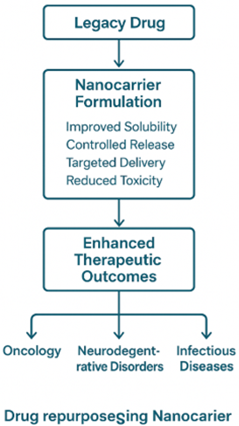
Figure 1: Conceptual Diagram – Drug Repurposing Using Nanocarriers
Source: Created by Haider.et.al.2025
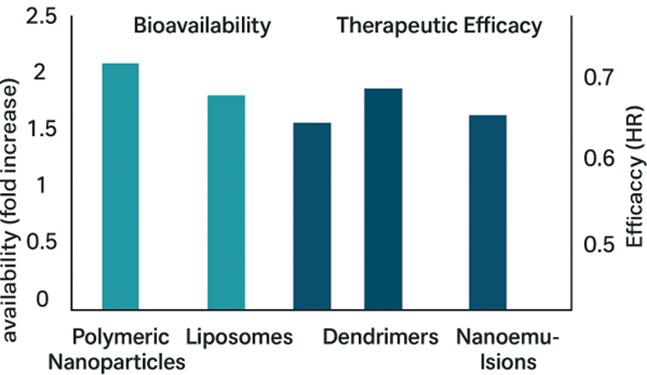
Figure 2: Comparative Bioavailability and Therapeutic Efficacy
Source: Created by Haider.et.al.2025
6. Discussion
The findings indicate that nanocarriers play a significant role in enhancing pharmacokinetics, pharmacodynamics, and therapeutic outcomes for repurposed drugs. They improve solubility, control release rates, and enable targeted delivery while minimizing systemic toxicity [13,17].
Nanotechnology breathes new life into previously shelved compounds and enhances delivery to the central nervous system, tumors, lungs, and intracellular targets [14,18]. However, challenges remain, including regulatory approval, long-term toxicity concerns, and large-scale manufacturing hurdles [19,20]. Still, the combination of legacy drugs with nano-formulation presents a promising avenue for cost-effective healthcare on a global scale.
7. Conclusion
Nanocarriers are revolutionizing the repurposing of legacy drugs by enhancing solubility, absorption, targeting, and therapeutic index. This strategy not only reduces development costs and accelerates translation but also broadens treatment options. Future research needs to tackle regulatory, safety, and manufacturing issues to fully realize this potential.
Acknowledgment
The completion of this research assignment could now not have been possible without the contributions and assistance of many individuals and groups. We’re. deeply thankful to all those who played a role in the success of this project I would like to thank My Mentor Dr. Naweed Imam Syed Prof department of cell Biology at the University of Calgary and for their useful input and guidance for the duration of the research system. Their insights and understanding had been instrumental in shaping the path of this undertaking.
Authors’ Contribution
All authors contributed significantly to the conception, design, analysis, and writing of this manuscript. Each author reviewed and approved the final version of the article.
References
- Ahmad Z, et al. (2021). Adv Drug Deliv Rev.;179: 114012.
View at Publisher | View at Google Scholar - Yin L, Zhang Y. J (2022). Control Release.; 345:720-732.
View at Publisher | View at Google Scholar - Patel M, Singh P. (2023). Nanomedicine.;18(4):1159-1174.
View at Publisher | View at Google Scholar - Kaur P, Garg T. (2020). Int J Pharm.; 589:119752.
View at Publisher | View at Google Scholar - Raza K, et al. (2019). Drug Dev Ind Pharm.;45(7):1061-1072.
View at Publisher | View at Google Scholar - Lim SB, et al. (2021). Cancer Lett.; 510:45-54.
View at Publisher | View at Google Scholar - Costa B, et al. (2022). J Neurochem.; 163:45-57.
View at Publisher | View at Google Scholar - Patra JK, et al. (2018). J Nanobiotechnol.; 16:71.
View at Publisher | View at Google Scholar - Chen H, et al. (2020). ACS Nano.;14(7):7896-7909.
View at Publisher | View at Google Scholar - Singh R, Lillard JW. (2021). Exp Mol Pathol.; 121:104660.
View at Publisher | View at Google Scholar - A, et al. (2022). Pharmaceutics.;14(3):655.
View at Publisher | View at Google Scholar - Zhang X, et al. (2020). Biomaterials.; 258:120297.
View at Publisher | View at Google Scholar - Gupta S, et al. (2021). Drug Discov Today.;26(3):649-661.
View at Publisher | View at Google Scholar - Liu Y, et al. (2021). J Nanobiotechnol.; 19:145.
View at Publisher | View at Google Scholar - Rao M, et al. (2019). Int J Nanomedicine.; 14:3961-3978.
View at Publisher | View at Google Scholar - Das S, et al. (2020). Colloids Surf B.; 194:111210.
View at Publisher | View at Google Scholar - TA. (2020). AAPS Pharm Sci Tech.; 21:225.
View at Publisher | View at Google Scholar - Sharma A, (2021). et al. Adv Mater.; 33:2105768.
View at Publisher | View at Google Scholar - Torchilin VP. (2021). Nat Rev Drug Discov.; 20:609-610.
View at Publisher | View at Google Scholar - Chou LY, et al. (2020). Adv Drug Deliv Rev.; 156:1-20.
View at Publisher | View at Google Scholar - Wang X, et al. (2021). Mater Sci Eng C.; 118:111418.
View at Publisher | View at Google Scholar - He H, et al. (2019). J Drug Target.;27(6):688-700.
View at Publisher | View at Google Scholar - Yu M, et al. (2021). Bioact Mater.;6(2):428-455.
View at Publisher | View at Google Scholar - Zhang Y, et al. (2022). Trends Pharmacol Sci.; 43:179-195.
View at Publisher | View at Google Scholar - Singh A, et al. (2020). J Pharm Sci.;109(1):36-45.
View at Publisher | View at Google Scholar