 Clinic
Short Communication | DOI: https://doi.org/10.31579/2834-8761/098
Reimagining Continuous Cardiac Surveillance and Metabolism Through Next-Generation Wearable Technologies
- Kavita Sharma *
- Ananya Kapoor
1 Department of Endocrinology, Manages diabetes, thyroid, and metabolic disorders.
2 Department of Cardiology Specializes in interventional cardiology and heart failure management.
*Corresponding Author: Kavita Sharma, Department of Endocrinology, Manages Diabetes, Thyroid, and Metabolic Disorders.
Citation: Kavita Sharma, Ananya Kapoor, (2025), Reimagining Continuous Cardiac Surveillance and Metabolism Through Next-Generation Wearable Technologies, Clinical Endocrinology and Metabolism, 4(5); DOI:10.31579/2834-8761/098.
Copyright: © 2025, Kavita Sharma. This is an open access article distributed under the Creative Commons Attribution License, which permits unrestricted use, distribution, and reproduction in any medium, provided the original work is properly cited.
Received: 23 July 2025 | Accepted: 13 August 2025 | Published: 03 September 2025
Keywords: cardiac energy metabolism; myocardial metabolic pathways; mitochondrial function in cardiomyocytes; cardiac lipid metabolism; glucose–fatty acid balance; metabolic remodeling in heart disease
Abstract
The rapid expansion of wearable health technologies has transformed how cardiac activity is observed, interpreted, and managed in real time. These devices—ranging from advanced sensor-embedded wristbands to patch-based monitors—offer uninterrupted physiological assessment outside traditional clinical environments. This article evaluates their growing role in cardiac surveillance, focusing on diagnostic value, predictive capability, clinical integration, and future innovations. Additionally, two illustrative figures highlight device evolution and data workflow processes.
Introduction
Cardiovascular diseases remain among the most significant causes of morbidity worldwide, demanding early detection and continual monitoring. Historically, clinicians relied on intermittent tools such as standard ECG recordings and Holter systems. Although effective, their short monitoring windows often miss sporadic arrhythmias or subtle physiological shifts. In contrast, modern wearable devices enable prolonged data capture, allowing individuals to be monitored during everyday activities without disrupting routine life. This shift represents a paradigm transition—moving cardiac assessment beyond the walls of hospitals and into a continuous, personalized system supported by sensors, algorithms, and cloud-based analytics.
Advances In Wearable Cardiac Technologies
Recent improvements in biomedical engineering have enabled compact, energy-efficient sensors that measure multiple parameters including:
•Heart rhythm variability
•Pulse wave morphology
•Peripheral oxygen saturation
•Electromechanical cardiac activity
•Stress-induced cardiovascular responses
The integration of photoplethysmography, conductive electrodes, micro-accelerometers, and electrical impedance monitoring has expanded the precision and usability of wearables. These technologies now match or surpass many conventional short-term devices, especially for extended arrhythmia detection.
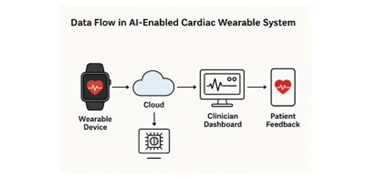
Figure 1: Evolution of Wearable Cardiac Monitoring Devices
Caption: Timeline demonstrating the shift from traditional Holter monitors to smart patches, multi-sensor watches, and AI-enabled wearables. The figure highlights improvements in battery life, data resolution, and diagnostic accuracy.
Clinical Value and Diagnostic Benefits
Continuous monitoring through wearable devices enhances cardiac care in several ways:
1. Improved Detection of Irregular Rhythms
Short-duration ECG tests may overlook occasional arrhythmias like paroxysmal atrial fibrillation. Wearables address this limitation by capturing rhythm disturbances around the clock, leading to earlier diagnosis and treatment initiation.
2. Early Alerts and Risk Stratification
The combination of real-time sensor data and machine-learning models enables:
•Prediction of AFib onset
•Recognition of abnormal heart rate trends
•Identification of exercise-induced cardiac strain
•Detection of sleep-related cardiac fluctuations
Timely notifications allow users to seek medical review before complications escalate.
3. Post-Intervention Follow-up
Patients recovering from cardiac procedures—such as angioplasty or ablation—can be monitored remotely. Physicians gain insight into recovery progress without requiring repeated hospital visits.
4. Enhanced Patient Engagement
The visual dashboards and personalized feedback provided by wearables empower individuals to monitor their own cardiac well-being. This encourages medication adherence, lifestyle adjustments, and routine health tracking.
Integration with Digital Health Ecosystems
Modern wearable devices are deeply interlinked with digital platforms that process, store, and interpret massive datasets. Cloud-supported monitoring systems enable clinicians to view patient metrics in real time, facilitating remote consultations and timely interventions.
Artificial intelligence enhances this ecosystem by:
•Filtering noise from raw sensor inputs
•Identifying anomaly patterns
•Estimating cardiovascular load during physical activity
•Supporting clinical decision-making through predictive analytics
Such integration reduces hospital burden, improves follow-up efficiency, and expands access to cardiac care—especially for populations with limited health-care access.
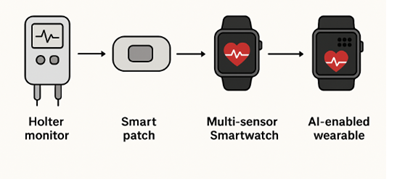
Figure 2: Data Flow in AI-Enabled Cardiac Wearable Systems
Caption: Schematic showing the journey from sensor data acquisition to cloud storage, algorithmic processing, clinician dashboards, and patient feedback loops.
Challenges and Considerations: While promising, wearable cardiac monitoring faces obstacles:
Data Overload: Continuous tracking produces large volumes of data. Without robust filtering algorithms, false positives can increase clinical workload.
Sensor Accuracy Variability: Skin tone, motion artifacts, sweat, and improper device placement may influence measurements. Privacy and Security: Sensitive cardiac data must be encrypted and protected to maintain confidentiality and regulatory compliance. mLong-Term Adherence: Some individuals may discontinue use due to device discomfort, charging requirements, or notification fatigue.
Future Directions: The next generation of cardiac wearables is expected to incorporate:
•Non-invasive blood pressure estimation from multi-sensor fusion
•Continuous biochemical analysis, such as electrolyte trends
•Fully autonomous predictive engines that anticipate clinical deterioration
•Bio-integrated electronic patches with near-zero visibility
•Interoperability with hospital systems, enabling seamless digital cardiac records
As devices become smarter, less intrusive, and more clinically validated, they will play a critical role in preventive cardiology and personalized medicine.
Conclusion
Wearable health technologies are reshaping the landscape of cardiac surveillance. By enabling uninterrupted monitoring, early detection of abnormalities, and enhanced patient engagement, they offer a practical complement to traditional diagnostic approaches. As innovation accelerates, these devices are set to become essential tools in cardiovascular risk management, bridging the gap between everyday lifestyle and clinical oversight.
References
- Piel FB, Steinberg MH, Rees DC .(2017). Sickle cell disease. N Engl J Med 376:1561–1573
View at Publisher | View at Google Scholar - Piccin A, Murphy C, Eakins E, et al. (2019). Insight into the complex pathophysiology of sickle cell anaemia and possible treatment. Eur J Haematol 102:319–330
View at Publisher | View at Google Scholar - Platt OS, Brambilla DJ, Rosse WF, et al .(1994). Mortality in sickle cell disease: life expectancy and risk factors for early death. N Engl J Med 330:1639–1644
View at Publisher | View at Google Scholar - Hemming AE .(2004). Pro: Exchange transfusion is required for sickle cell trait patients undergoing cardiopulmonary bypass. J Cardiothorac Vasc Anesth 18: 663–665
View at Publisher | View at Google Scholar - Firth PG, Head CA (2004). Sickle cell disease and anesthesia. Anesthesiology. 101(3):766-785
View at Publisher | View at Google Scholar - Djaiani GN, Cheng DC, Carroll JA, Yudin M, Karski JM (1999): Fast-track cardiac anesthesia in patients with sickle cell abnormalities. Anesth Analg 89:598–603
View at Publisher | View at Google Scholar - Metras D, Ouezzin Coulibaly A, Oattara K, et al (1982): Open-heart surgery in sickle-cell hemoglobinopathies: Report of 15 cases. Thorax 37:486–491
View at Publisher | View at Google Scholar - Epis F, Chatenoud L, Somaschini A, et al .(2022). Simple open-heart surgery protocol for sickle-cell disease patients: a retrospective cohort study comparing patients undergoing mitral valve surgery. Interact CardioVasc Thorac Surg 35: ivac205
View at Publisher | View at Google Scholar - Taylor M, Hayes T, Ashworth A, et al (2025). Managing sickle cell trait in aortic arch surgery performed under deep hypothermic circulatory arrest: a case report. AME Med J 10:8
View at Publisher | View at Google Scholar - Ali JM, Besser M, Goddard M, et al (2019). Catastrophic sickling crisis in patient undergoing cardiac transplantation with sickle cell trait. Am J Transplant 19: 2378–2382.
View at Publisher | View at Google Scholar