 Clinic
Case Report | DOI: https://doi.org/10.31579/2835-7957/159
Managing Rhinorrhea and Nosebleed in Smaller Settings
*Corresponding Author: Suresh Kishanrao, Family Physician & Public Health Consultant, Bengaluru.
Citation: Suresh Kishanrao. (2026), Managing Rhinorrhea and Nosebleed in Smaller Settings, Clinical Reviews and Case Reports, 5(2); DOI:10.31579/2835-7957/159
Copyright: © 2026, Suresh Kishanrao. This is an open-access article distributed under the terms of the Creative Commons Attribution License, which permits unrestricted use, distribution, and reproduction in any medium, provided the original author and source are credited.
Received: 20 February 2026 | Accepted: 04 March 2026 | Published: 20 March 2026
Keywords: ar= allergic rhinitis; runny nose; rhinorrhea; watery discharge; stuffy nose- thick / colored mucus; nosebleed and postnatal drip
Abstract
Runny Nose or Rhinorrhea, or Stuffy nose, and Nosebleed are common conditions which most general practitioners see every day. Most patients would have tried some or the other home remedies before seeking care outside home. While Rhinorrhea patients have a thin, mostly clear fluid running from the nose, Rhinitis denotes inflammation, irritation & swelling inside the nose. Contextually Allergic Rhinitis is referred to as “hay fever” or simply allergies, Nasal Bleeding as a nosebleed. Watery Discharge is caused by allergies or cold temperatures, and Thick / Colored Mucus indicates a cold, infection, or sinus issue. Allergic rhinitis (AR) is highly prevalent in India, affecting an estimated 20-30% of the population, with increasing cases driven by rising pollution. It primarily impacts young adults especially under 30 and adolescents. Major triggers include pollen, house dust mites, high levels of environmental particulate matter pollutants in urban areas. Epistaxis, or a nosebleed, usually stems from a broken blood vessel in the nose or sinuses. Blowing the nose can damage small blood vessels, leading to a nosebleed. An estimated 60% of people experience a nosebleed, but only around 10% of cases require medical attention. Nose bleeds are more common in children and older people.
Materials & Methods: This article is prompted by a case of Allergic Rhinitis and nasal bleeding seeking authors’ attention in family function. Apart from managing on the spot and empowering patient and family members about self or attendants providing primary care. People gathered were told to seek medical care.
Outcome: Both cases were managed & allergic rhinitis case was advised for an allergen test.
Introduction
Runny Nose, Rhinorrhea, Stuffy nose, Nosebleed or Epistaxis and Postnatal drip are common conditions for which most general practitioners are consulted every day. Most patients would have tried some or the other home remedies before seeking care outside home. While Rhinorrhea involves a thin, mostly clear fluid running from the nose. Rhinitis is exhibited as irritation and swelling inside the nose, ccontextually referred to as hay fever or simply allergies. Watery Discharge caused by allergies or cold temperatures and Thick / Colored Mucus indicates a cold, infection, or sinus issue. Allergic rhinitis (hay fever) is an allergic reaction to tiny particles in the air called allergens. When we breathe in allergens through our nose or mouth, our body reacts by releasing a natural chemical called histamine. Symptoms of hay fever include sneezing, nasal congestion and irritation of our nose, throat, mouth and eyes. Allergic rhinitis isn’t the same as infectious rhinitis, known as the common cold. It isn’t contagious. Inflammation causes rhinitis, not allergens or histamine release [1,2]. Allergic rhinitis, a primary cause of chronic runny nose, affects 20%–30% of the Indian population, but it is often regarded as a trivial illness. In a 2022–2023 study of patients with nasal symptoms, 53.7% were identified as having Allergic Rhinitis (AR). Although runny nose is a top reason for primary care visits, patients frequently self-medicate or ignore symptoms until they are moderate-to-severe. A significant surge in OPD visits for flu-like symptoms, including runny nose, occurs during winter, especially, October to January every year. is [4]. Epistaxis, or a nosebleed, usually stems from a broken blood vessel in the nose or sinuses. Blowing the nose can damage small blood vessels, leading to a nosebleed. An estimated 60% of people experience a nosebleed, but only around 10% of cases require medical attention. Nose bleeds are more common in children and older people. It is hard to determine what causes broken blood vessels in the nose. However, a few factors known are: i) blowing the nose too hard or too frequently ii) inflammation or mucosal irritation caused by infection or allergies iii) very dry nasal cavities or sinuses, iv) nose picking v) foreign object in the nose vi) prolonged inhalation of very dry or cold air, vii) antibiotic medications, viii) blood thinning medications, like warfarin, aspirin, & clopidogrel ix) injury to the nose or face x) environment factors, such as humidity or being at a high altitude xi) abnormalities in the septum [5, 8]. This article is based on opportunity and efforts of providing emergency service to one patient each of Allergic Rhinitis and Epistaxis in family function in early February 2026, complimented with appropriate literature search.
Case Reports:
Case 1: Acute Allergic Rhinitis: Nilesh 22year old engineering graduate from small town moved to Bengaluru after getting his engineering degree after a campus selection. While he was over 9 clouds with good pay package, sometime in November 2025, suddenly had severe common cold, lasting for 10 days. The relief was short lived. He started repeated attacks almost every month. Doubting the change of climate, he went back home for week to attend a function in the home. Unfortunately, there too he had an attack when he contacted the author on 8 February 2026. During the attacks his typical symptoms include running nose thin watery fluid, sneezing, constant irritation in the nose, and watering eyes.
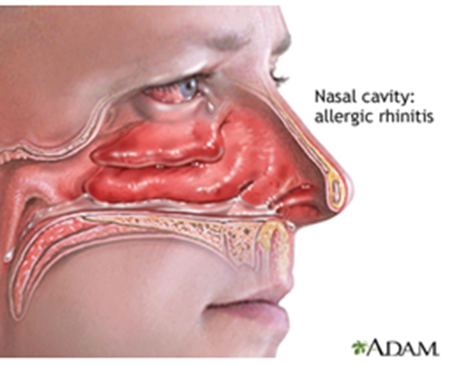
In this episode he was managed with antihistamines but has been advised to get allergy tests done in Bengaluru.
Case 2: Nasal bleeding: In the same function author was consulted by the mother of male child aged 8 years old with complaints of periodical nasal bleeding for 2 years almost once every month and 2-3 times in summer months. Parents make the child lie down supine and put wet cloth over head a routine rural practice. It lasts for 5-10 minutes. They were advised to pinch the soft part of the nose, leaning forward, and using humidifiers or nasal lubricants and make the child sleep on the sides and keep cotton or fine cloth packing in the nostril effect, showing how to do it. Rare Cases of nasal Bleeding in India: Nasal Rhinosporidiosis (Eastern India): A 33-year-old male presented with an 8-month history of right-sided obstruction and intermittent bleeding. It was a painless, friable, vascular, reddish "strawberry-like" polypoidal mass, causing nasal obstruction and bleeding. Examination revealed a friable, strawberry-like mass in the inferior meatus. It was a chronic, benign granulomatous infection caused by the aquatic, protistan parasite Rhinosporidium Seeberi which was diagnosed as Rhinosporidiosis
1. Live Leech Infestation (Himachal Pradesh): A 54-year-old male with a 3-week history of recurrent bleeding was found to have a 6.5 cm live leech in the right nasal cavity, removed after applying salt.
2. Epistaxis due to a cavernous hemangioma: A 24-year-old female with spontaneous unilateral epistaxis. On clinical examination a cavernous hemangioma was seen beneath the right inferior turbinate. Surgical
excision confirmed the diagnosis histopathologically. The patient had an uneventful recovery with no recurrence at three weeks follow-up [6].
Discussions:
Allergic Rhinitis: Human body has a specific response when it encounters an allergen. An allergen is any harmless substance such as pollen, food proteins, or dust mites that triggers an inappropriate, overactive immune response in sensitive individuals. Upon exposure, the immune system produces IgE antibodies, causing cells to release chemicals like histamine, resulting in allergic reactions ranging from itching and hives to severe, life-threatening anaphylaxis. Histamine is released to help defend our body against the allergen. This causes the symptoms of allergic rhinitis, which is a sign that your body is fighting off what it perceives as foreign invaders [1,2]. The immune system’s role is to protect the body from viruses, bacteria and various diseases. Allergic Rhinitis simply refers to inflammation of the mucous membrane of the nose, caused by the body’s immune system overreacting to an allergen. Allergic Rhinitis is extremely common, and it affects 10% to 30% of the world’s population. [3] Besides pollen, other allergens that are commonly found include animal hair or dander, dust mites, mould, cosmetics and smoke. While all age and genders are affected Prevalence in children 6-7 yrs are roughly 7.7% to 11.3%, among Adolescents (13-14 years) prevalence is significantly higher, around 22% and 24.4% and around 10% in adults. Some studies indicate a higher prevalence in females.
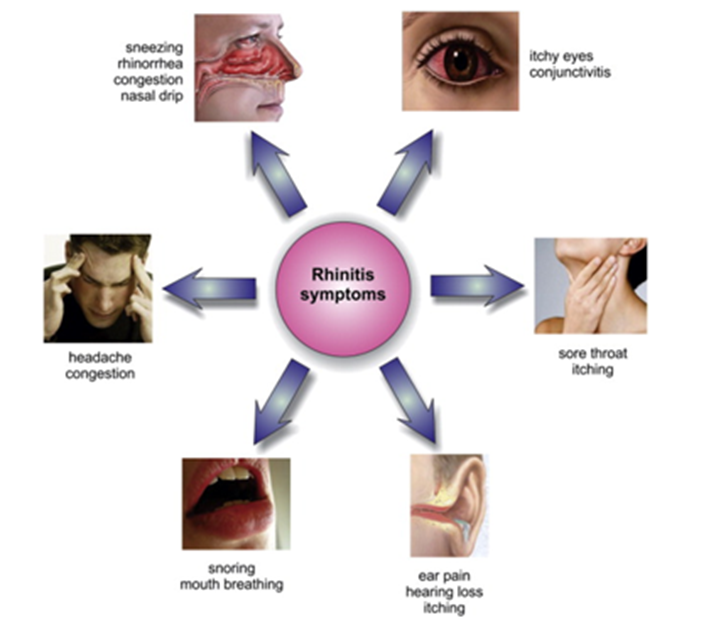
Allergy symptoms occur when your body’s immune system wrongly identifies a harmless substance as dangerous. These substances – such as pollens, pollutants, or dust mites – trigger the production of immunoglobulin E antibodies (IgE antibodies). Allergies can also be caused by certain foods. The IgE antibodies bind to the body’s defense cells, known as mast cells, which triggers the release of chemicals such as histamine that are part of your body’s inflammatory response. These chemicals act on the cells, nerves and vessels of the nose to produce the typical symptoms of an allergy sneezing, itching, congestion & a runny nose [3] The easiest way to protect yourself from allergic rhinitis is to prevent any contact with allergens. Doctors usually prescribe antihistamines to give immediate relief [4]. In severe cases some doctors may prescribe intra nasal spray. Complications like enlarged turbinate and polyps will require surgery. However, it is difficult to identify what the allergen is! Of late, Allergy blood tests, also known as IgE antibody tests or RAST/CAP tests, measure the levels of immunoglobulin E (IgE) antibodies in the blood to identify specific allergens. They are used to diagnose allergies to foods, pets, pollen, or medicine by detecting immune system reactions. These tests are safe, quick, and do not cause allergic reactions or require stopping antihistamines. When humans get exposed to allergens, the immune system produces IgE antibodies. The tests detect the amount of specific IgE antibodies in the blood, indicating a sensitivity to that allergen. These tests identify triggers for environmental allergies
(pollen, dust, mold, dander) and food allergies (nuts, shellfish, milk, eggs). A small blood sample is drawn from a vein in the arm (or via a heel prick for infants). Blood tests are ideal for patients with severe skin conditions (like eczema), those who cannot stop taking medications, or for young children. The limitations of these tests are i) false-positive results, ii) indicate sensitization, not necessarily a severe clinical allergy, & iii) they cannot measure the severity of the allergy. Common Allergy Panel Components include i) Total IgE: Measures overall allergy-related antibodies, which can suggest an "atopic" (allergy-prone) state ii) Specific IgE: Measures antibodies for individual substances (e.g., house dust mite, peanut). A "normal" total IgE level is typically less than 75 kU/L, with levels below 20 kU/L often suggesting no allergies. However, elevated levels of specific IgE indicate that the immune system is sensitized to a particular allergen.
Epistaxis (Nasal bleeding):
Epistaxis, commonly known as a nosebleed, occurs when blood vessels in the nose rupture. It can result from various factors, including dry air, trauma, or underlying health conditions. While usually harmless, severe or recurrent nosebleeds may indicate an underlying issue. Adequate hydration, humidification, and gentle nasal care can help prevent epistaxis. if nosebleeds persist or are frequent, a healthcare professional must be consulted [5].
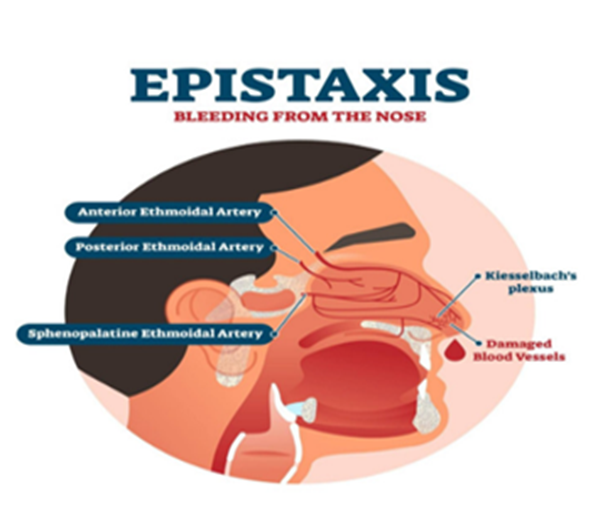
Epistaxis is a common yet confusing phenomenon that frequently takes us by surprise with its unexpected appearance. This blog educates you about the reasons for bloody noses and treatment options. The key to navigating this frequently shocking and sporadically recurrent phenomenon is knowing when to seek help, how to stop the flow, and how to take preventive action. Epistaxis in India peaks during cold, dry winter months (roughly 70% of cases) due to dry air, and in summer due to extreme heat/dehydration. Nosebleeds can stem from various factors, often related to the fragility or injury of the blood vessels within the nasal passages. Here are the primary causes i) Dryness and Irritation- Dry climates or indoor environments with low humidity can dry out the nasal membranes, making blood vessels more susceptible to rupture ii) Prolonged exposure to dry air, especially during winter or in heated rooms, can lead to nasal dryness and subsequent bleeding iii) Chemical irritants, pollutants, or allergens in the air can irritate the nasal passages and contribute to nosebleeds iv) Trauma or Injuries like Nose Picking causing direct trauma to the nasal passages from picking or scratching inside of the nose can cause blood vessels to break v) Accidental trauma, sports injuries, or blows to the nose can result in bleeding from a broken blood vessel vi) Underlying health conditions like a) hemophilia or von Willebrand disease, which affect blood clotting, can lead to frequent or prolonged nosebleeds b) Elevated blood pressure can sometimes contribute to nosebleeds, especially in cases of uncontrolled hypertension c) Nasal abnormalities such as deviated septum, nasal polyps, or tumors, might cause recurrent bleeding vii)Medications like Anticoagulants, aspirin, or other medications that affect blood clotting can increase the risk of nosebleeds [5, 6,8]. Other factors influencing nasal bleeding are i) Age: The elderly and children often experience nosebleeds due to thinner nasal lining in older individuals or excessive dryness in children’s nasal passages ii) Strеss or Anxiety: Emotional stress or anxiety can sometimes contribute to elevated blood pressure, potentially leading to nosеblееds.
Treatment of Epistaxis
The treatment for nosebleeds often involves simple self-care measures, but severe or recurrent cases might require medical attention [7, 8,9,10].
Self-Care Measures: Positioning: Sit upright or make the child sit up and lean slightly forward to prevent blood from flowing down the throat. Avoid tilting the head back, as this can cause blood to enter the throat and stomach.
Nasal Pinching: Using the thumb and index finger, pinch the soft part of the nose just below the bridge firmly for about 10-15 mins to help stop the bleeding, asking patient to Breathe through the mouth during this time.
Cold Compress: Apply a cold compress or ice pack wrapped in a cloth to the bridge of the nose to constrict blood vessels and slow bleeding [7,9].
Medical Treatment:
Nasal Bleeding in Winter (Cold & Dry Air) is due to cold, dry air causing the nasal membrane to crack and bleed. Increased cases of colds, sinusitis, and heated indoor environments contribute to this, especially in children. During winter it is advised to keep Nasal Mucosa Moist using saline nasal sprays, gels, or (Vaseline inside the nostrils. Use of a vaporizer or humidifier in the bedroom and hydration through drinking plenty of fluids to maintain moisture is important. Other suggestions include to i) cover the nose with a scarf when outdoors in the cold [8]. On the other hand, Nasal Bleeding in Summer (Hot & Dry Air) is due to extreme heat that causes nasal membranes to dehydrate and crack. Other factors include allergies, high sun exposure leading to dehydration, and swimming in chlorinated pools [9]. General care & prevention both during winter and summer include i) Drinking ample water to prevent dehydration, which leads to dry nasal tissues ii) use ice packs on the nose to reduce blood vessel dilation iii) Avoid Direct Heat by Staying out of direct, intense sunlight. Wear a hat and Keep rooms cool with air conditioning/coolers but ensure they don't overly dry the air. Nasal Hygiene through use of saline spray to prevent dryness [7]. Immediate First Aid and Conservative Management: Applying direct pressure: Sit or make the child sit upright, lean forward, and firmly pinch the soft, fleshy part of the nose for at least 10–15 minutes. One can also apply an ice pack or cold cloth to the bridge of the nose to help constrict blood vessels. And application of nasal decongestant sprays like oxymetazoline or phenylephrine to shrink blood vessels. Avoid lying down or tilting the head back to prevent blood from flowing into the throat [7].
Medical Care: Seek medical attention if bleeding lasts longer than 20 minutes, is severe, or blood loss is heavy, or breathing is difficult or bleeding happens frequently or the person feels faint, dizzy, or weak. In the hospitals the doctor may cauterize if a specific bleeding point is identified using chemical cautery (silver nitrate) or electrocautery to seal the vessel. If pressure fails, doctors use anterior nasal packing (gauze, Merocel sponges, or inflatable balloons) for 24–48 hours. Use of tranexamic acid to promote clotting, particularly in persistent cases is resorted occasionally. Management of Underlying Causes like high blood pressure, removing foreign bodies, and managing infections are important for avoiding recurrences. Surgical ligation of blood vessels or embolization is reserved for severe or recurrent, uncontrollable bleeding [9]. Apart from the causes of nosebleeds listed in introduction, other rare causes include nasal, sinus, face, or eye surgery, foreign bodies in the nose, nasal polyps or tumors, inflammatory conditions, high blood pressure, holes in the septum, blood disorders, such as low blood platelet levels and anemia, conditions affecting the blood vessels, such as arteriosclerosis, leukemia, , liver or kidney problems, scurvy, or severe vitamin C deficiency, chemotherapy, congestive heart failure, chronic use or overuse of certain herbal supplements, most commonly vitamin E and gingko biloba, exposure to toxic chemicals, snorting illegal drugs, especially cocaine being on chronic oxygen via nasal cannula [10]
Management: The main aim of the management is to stop bleeding & help the nose heal.
Wet Cold Gauze Packing: This is the traditional method. Basically, a piece of rolled-up gauze (or soft, clean cloth) is inserted into the nostrils. Gauze applies pressure to the blood vessels inside your nose to help stop the bleeding [6]. In the clinic doctors may use i) Nasal Tampons, which are soft, sponge-like devices placed inside the nostrils. They're often more comfortable than gauze, and because they're super absorbent, they do a great job of controlling bleeding. Nasal pack devices of polyvinyl alcohol shaped like tampons with strings at the base are available in multiple sizes; 5.5 and 7.5 cm for adult anterior packs, 4.5 cm for children, and 9 cm for anterior-posterior packing. These devices expand in contact with moisture and apply pressure directly to the nasal mucosa. Multiple tampons may be placed simultaneously if the nasal cavity is large [7,9].
ii) Nasal Sponges: Like tampons, nasal sponges are soft and spongy materials that expand inside the nose to absorb blood. They're more comfortable than gauze and work better to stop bleeding [9]
iii) Some nasal packing materials include inflatable balloons, with a covering of carboxy -methylcellulose, which serves the double purpose of applying direct pressure and facilitating platelet aggregation. These balloons are inserted into the nostrils and inflated to apply gentle pressure, which helps control bleeding [8,9].
Procedure: While at home one can do without much fuss and doctors may use before starting, put a numbing medicine (anesthetic spray) inside the nose, which helps dull the area so that the patient won’t feel pain, but just a little pressure or odd sensation. Once the nose is numb, the doctor gently inserts the nasal packing. The whole procedure is over in just a few minutes. and the packing stays in place for a few hours. When the bleeding has settled, you can head home and start your recovery [9]. Epistaxis is common worldwide otorhinolaryngology emergency presenting as a life-threatening condition especially in resource-constrained hospitals with limited health-care facilities for acceptable management. A study on 304 patients who presented with epistaxis at tertiary care hospital of Central India (Peoples College of Medical Science & Research Centre, Bhopal), reported that, People of all ages can be affected but maximum number of patients with epistaxis were of age group 21–30 years i.e. 66 (21.71%), though under 10 years and 11-20 years were also around 20%. Of the total 210 (69.08%) were male and 94 (30.92%) were female. It was found that maximum patients of epistaxis were seen in summer season i.e. 143 (47.04%) followed by winter i.e. 104 (34.21%) and least in monsoon i.e.20 (6.58%). It was found that maximum patients were of nose picking i.e. 113 (37.17%) followed by trauma via accident, assault and fall i.e. 77 (25.33%). Hypertension was responsible for 49 (16%) cases. Hypertension and trauma were the most common etiological /risk factors and in most of the patient’s etiology could not be found. The duration of nasal bleed was between 2 and 15 days among 137 patients (45.07%) followed by less than one day duration in 135 patients (44.41%), and minimum of 3.62% patients came with duration of nasal bleed more than 180 days. Out of total 304 patients of epistaxis, 206 (67.7%) patients had only single episode of epistaxis while 98 (32.24%) patients had recurrent episodes of epistaxis. Anterior Rhinoscopy found deviated nasal septum in highest number of patients i.e. 159 (52.30%) followed by abrasion at little’s area in 110 (36.18%) patients. Deviated nasal septum with spur and nasal discharge seen in 49 (16.12%) patients, foreign body seen in 20 (6.58%), maggots infestation found in 5 (1.65%) and in only 2 (0.66%) patients we found atrophic changes on anterior rhinoscopy [8]. According to another study in Central India most patients visiting tertiary care hospitals for epistaxis are young males (21–30 years), often due to nose picking (37%) or trauma (25%). Only about 10% of those who experience a nosebleed seek medical help. 91% of clinical cases are anterior nosebleeds, & around 32% seeking care for recurrent episodes.
Conclusion:
Key Takeaways on Care Seeking for Runny nose and Nosebleed are: i) Generally, people in India only seek professional care when the symptoms of Runny nose persist for more than 10 days, involve thick green/yellow discharge, or cause severe discomfort. Allergic Rhinitis is managed by anti-histaminic and nasal decongestant and avoiding the allergens. An allergen test helps identifying specific allergens in individual cases. Amost nosebleeds are minor and self-limiting, the majority are managed with home remedies rather than clinical intervention iii) The treatment for nosebleeds often involves simple self-care measures, but severe or recurrent cases might require medical attention. Self-Care Measures include i) Positioning: Sit upright or make the child sit up and lean slightly forward to prevent blood from flowing down the throat. Avoid tilting the head back, as this can cause blood to enter the throat and stomach ii) Nasal Pinching: Using the thumb and index finger, pinch the soft part of the nose just below the bridge firmly for about 10-15 mins to help stop the bleeding, asking patient to Breathe through the mouth during this time iii) Cold Compress: Apply a cold compress or ice pack wrapped in a cloth to the bridge of the nose to constrict blood vessels and slow bleeding iv) If nosebleeds persist or are frequent, a healthcare professional must be consulted
References
- Allergic-rhinitis-hay-fever https://my.clevelandclinic.org/ 8622.09/21/2023
View at Publisher | View at Google Scholar - Allergic Rhinitis, https://medlineplus.gov/ency/000813.htm,
View at Publisher | View at Google Scholar - Pawankar R, et.al, (2011). World Allergy Organization. 2011-2012 Executive Summary. eds. 11–20. World Allergy Organization.
View at Publisher | View at Google Scholar - Allergic rhinitis in India, Subhabrata Moitra et.al. (2023). Clin Exp Allergy.53(7):765-776.
View at Publisher | View at Google Scholar - Why do I bleed when I blow my nose? https://www.medicalnewstoday.com/321021/06/21/2024
View at Publisher | View at Google Scholar - First-aid-nosebleeds/basics/art-20056683, https://www.mayoclinic.org/2024
View at Publisher | View at Google Scholar - Conditions-and-care-areas/ENT/nosebleeds/treatments, https://www.nm.org/
View at Publisher | View at Google Scholar - Lavi Ukawat et.al. (2024). Demographic Profile and Etiology of Epistaxis, Indian J Otolaryngology Head Neck Surg. 76(4):3172–3175.
View at Publisher | View at Google Scholar - Anterior Epistaxis Nasal Pack, Linda Kravchik et.al, https://www.ncbi.nlm.nih.gov/05/26/2023
View at Publisher | View at Google Scholar - When Epistaxis Tells a Story: A Case of Intranasal Hemangioma, https://link.springer.com/article/10.1007/s12070-025-05502-8, 28 April 2
View at Publisher | View at Google Scholar