 Clinic
Review Article | DOI: https://doi.org/10.31579/2834-8508/046
Brekafast Significance in Adolescents: Reasons, Consequences & Management of Skipping Breakfast
1Department of Nutrition and Dietetics, School of Allied Health Science, Sharda University, Greater Noida, U.P, India.
2Assistant Professor, Department of Nutrition and Dietetics, School of Allied Health Science, Sharda University, Greater Noida, U.P, India.
*Corresponding Author: Neelesh Kumar Maurya, Assistant Professor, Department of Nutrition and Dietetics, School of Allied Health Science, Sharda University, Greater Noida, U.P, India.
Citation: Gayatri R. Ganapathiraju, Neelesh K. Maurya, (2025), Brekafast Significance in Adolescents: Reasons, Consequences & Management of Skipping Breakfast, Archives of Clinical and Experimental Pathology, 4(3); Doi:10.31579/2834-8508/046
Copyright: © 2025, Neelesh Kumar Maurya. This is an open access article distributed under the Creative Commons Attribution License, which permits unrestricted use, distribution, and reproduction in any medium, provided the original work is properly cited.
Received: 28 May 2025 | Accepted: 13 June 2025 | Published: 23 June 2025
Keywords: breakfast skipping; adolescence; cognitive development; academic performance; nutrition; obesity prevention; meal patterns
Abstract
Breakfast recognized as the most important meal of the day, particularly for adolescents undergoing rapid physical, cognitive, and emotional development. Despite growing awareness of its benefits, breakfast skipping remains a global concern among adolescents due to time constraints, changing lifestyle patterns, social influences, and misconceptions related to weight control. This chapter explores the historical evolution of breakfast and its significance in modern nutrition, especially during adolescence. It highlights the physiological and cognitive importance of breakfast, underlining its role in academic performance, mood stability, nutrient intake, and energy regulation. The chapter also identifies the primary reasons adolescents skip breakfast, including lack of appetite, busy schedules, peer influence, and socioeconomic factors. Skipping breakfast has been linked to negative health outcomes, such as poor academic performance, increased risk of obesity, reproductive irregularities in females, and long-term metabolic and mental health consequences. To address this, a variety of strategies are discussed, emphasizing the roles of families, schools, and policymakers. These include school breakfast programs, nutrition education, behavioral empowerment, sleep management, and accessible food options. Comparative studies are referenced to support findings and provide a global perspective. The chapter concludes with a call for integrated and multi-level interventions that account for cultural, psychological, and physiological variables in promoting breakfast consumption among adolescents.
Introduction
I. Breakfast: a brief history
The term breakfast originates from the concept of "breaking the fast" following a period of overnight sleep. It is recognized as the first and often most important meal of the day, providing the energy necessary to begin one’s daily activities. While breakfast is currently emphasized as a cornerstone of a healthy diet, this emphasis is relatively recent in historical terms. The history of breakfast is long and culturally diverse. According to food historians, meal naming conventions and breakfast customs have evolved over centuries, making the study of breakfast both complex and fascinating [1]. In earlier periods of recorded history and through the Middle Ages, breakfast was primarily consumed by infants, the elderly, and the sick. It was often viewed with suspicion or considered unnecessary by the upper classes but was commonly accepted among laborers who required early sustenance for manual work [2]. By the 16th century, societal attitudes in Europe began to shift, and breakfast started being acknowledged as beneficial to health, gradually gaining widespread social acceptance [3]. The evolution of breakfast is heavily influenced by regional food availability and cultural practices. For example, what is considered a traditional breakfast in Asia may differ significantly from Western norms, emphasizing the role of geography in shaping this meal’s content and significance [3][4]. In today’s health discourse, breakfast is increasingly recognized as a vital contributor to daily energy intake and overall nutritional adequacy [2].
II. Adolescents
Adolescence is the developmental stage that bridges childhood and adulthood, typically encompassing the ages of 10 to 19. It is characterized by rapid changes—physically, mentally, and emotionally—and is considered a critical period for establishing patterns that can influence long-term health [5]. During this phase, adolescents undergo significant biological changes, including hormonal shifts, cognitive development, and social role transitions, all of which affect their dietary needs and choices [6]. Nutritionally, adolescence is a sensitive period where the positive effects of a balanced diet are especially impactful. Nutrient requirements are heightened due to increased growth velocity, bone development, and muscle mass formation. Poor nutrition during adolescence can result in delayed growth, weakened immune function, and long-term developmental consequences [7]. In addition to biological changes, adolescents are highly influenced by environmental and social factors. Their eating habits are shaped by parental behavior, peer influence, availability and accessibility of food, media exposure, cultural norms, and body image perceptions. These influences contribute to erratic eating patterns, including meal skipping—particularly breakfast, which is common in this age group [5].
III. Role of Breakfast in Adolescents
Breakfast serves as a foundational meal, especially during adolescence, when energy and nutrient demands are heightened. A well-balanced breakfast replenishes glucose levels, the brain’s primary energy source, and supports cognitive functions like memory, attention, and concentration. Studies show that adolescents who regularly consume breakfast exhibit improved academic performance, better focus, and increased problem-solving capabilities [8]. Beyond cognitive function, breakfast also contributes to hormonal regulation and circadian rhythm stability. Proper breakfast consumption influences the intake of essential nutrients, including dietary fiber, calcium, iron, and various vitamins, which are often under-consumed when breakfast is skipped [9]. Despite its benefits, breakfast skipping is widespread, with estimates suggesting that 10% to 30% of adolescents do not eat breakfast regularly [9].
Physical Health
Adolescence marks one of the most intense periods of physical transformation in a human’s life. Nutritional adequacy during this stage is essential to support bone growth, hormonal changes, and sexual maturation. The combination of unbalanced dietary practices and insufficient physical activity can hinder these processes [10]. Research reveals a concerning trend: a high proportion of adolescents skip breakfast. This behavior has been linked to poor dietary patterns, including increased intake of fast food, sugary snacks, and calorie-dense meals at irregular hours [10]. Consistent breakfast consumption, on the other hand, is associated with improved energy balance, healthier body weight, and better dietary quality throughout the day. The act of eating breakfast—regardless of its specific composition—has shown to boost daily energy levels and positively influence metabolic functions. This highlights the importance of integrating breakfast into daily routines as a health-promoting behavior in adolescents.
Cognitive Development
Cognitive and psychosocial health are significantly affected by nutrition. Poor dietary quality has been associated with heightened risks of stress, anxiety, and depressive symptoms. Several studies demonstrate that daily breakfast consumption is positively linked with emotional well-being and better psychosocial functioning in adolescents [11]. Regular breakfast eaters tend to exhibit higher levels of essential nutrient intake and report lower body mass indices (BMI), reduced levels of psychological distress, and enhanced quality of life [12]. A meta-analysis involving 399,550 participants concluded that individuals who skipped breakfast had an elevated risk of developing depressive symptoms and stress, with adolescents particularly vulnerable to anxiety [11]. Importantly, not only the quantity but also the quality of breakfast matters. Nutrient-rich meals in the morning have been shown to mitigate mood disorders and support resilience to psychological stressors. As such, health interventions should encourage both regular breakfast consumption and the adoption of nutrient-dense breakfast habits [12]. Moreover, dietary habits formed during adolescence often persist into adulthood. Family environment, parental modeling, and shared mealtimes play a vital role in shaping an adolescent’s relationship with food. Parents who model healthy breakfast habits significantly influence their children’s likelihood of maintaining similar behaviors [13]. Promoting breakfast as a family routine may therefore contribute to better physical and mental health outcomes across generations.
I. Reasons for Skipping Breakfast
The popular phrase “A good breakfast is the key to a good day” highlights the long-acknowledged importance of starting the day with a nutritious meal. However, skipping breakfast is a common behavior among adolescents across the globe, and understanding the reasons behind this trend is crucial for developing effective health and nutrition strategies.
1.Time Constraints
One of the most frequently cited reasons for skipping breakfast is lack of time in the morning. Adolescents often have tight school schedules, late wake-up routines, or prolonged screen exposure at night leading to morning lethargy. Studies report that breakfast consumption is significantly higher on weekends compared to weekdays, indicating that time availability strongly influences breakfast patterns [14].
2.Parental Employment and Education Level
Socioeconomic factors, particularly parental employment and education levels, play a significant role in adolescents' eating habits. Research shows that children from households where both parents are unemployed or have lower educational attainment are more likely to skip breakfast due to lack of food availability or structure. Conversely, in families where both parents are employed, adolescents often skip breakfast because no one is available to prepare it [15].
3.Lack of Appetite in the Morning
Many adolescents report that they do not feel hungry upon waking and therefore skip breakfast. This biological disinterest in food early in the day may stem from late-night eating or disrupted sleep patterns [16]. Moreover, some youths simply do not enjoy eating early, which further contributes to meal skipping.
4.Weight Concerns and Dieting Practices
The desire to lose or manage weight is another significant factor, especially among adolescent girls. Breakfast is often perceived as an "optional" meal, and some teens intentionally skip it as a method of caloric restriction. However, this practice is counterproductive and is associated with weight gain due to increased appetite and unhealthy snacking later in the day [17].
5.Influence of social media and Peer Pressure
Modern adolescents are heavily influenced by social media trends and peer opinions. Platforms often promote unrealistic body ideals or intermittent fasting trends without scientific backing. As a result, many adolescents skip breakfast to emulate these behaviors, especially when they see them glamorized by influencers or peers [18].
II. Consequences of Skipping Breakfast
While skipping breakfast may seem like a harmless choice, especially to time-strapped or diet-conscious adolescents, the consequences can significantly impact both physical and mental health, as well as academic and emotional performance.
1.Reduced Academic Performance
Breakfast plays a key role in fueling the brain for learning. An Australian study found that children aged 8–9 who skipped breakfast regularly performed worse in literacy and numeracy assessments than those who ate breakfast daily. The lack of early-day glucose, which is vital for brain function, may impair memory, concentration, and cognitive speed [19].
2.Increased Risk of Weight Gain
Contrary to popular belief, skipping breakfast does not assist in weight loss. In fact, several studies reveal that individuals who skip breakfast tend to consume more calories later in the day due to intensified hunger pangs. This often leads to overeating high-calorie snacks and processed foods, contributing to weight gain and higher body mass index (BMI) [20].
3.Menstrual Disorders in Adolescent Females
Skipping breakfast has also been linked to reproductive health issues. Research from Japan and Palestine reported that adolescent girls who regularly skipped breakfast were more likely to experience irregular menstrual cycles and other menstrual disorders. This may be due to hormonal imbalances triggered by disrupted nutrient intake and energy availability [21].
4.Fatigue and Poor Mood
Energy levels throughout the day are significantly influenced by the first meal. Adolescents who skip breakfast commonly report feelings of fatigue, low energy, and reduced motivation. These issues can interfere with school performance and physical activity participation. Moreover, breakfast-skippers are often found to have lower memory recall and diminished attention spans during the school day [22].
5.Long-Term Health Risks and Need for Further Research
Despite numerous studies indicating the adverse effects of breakfast skipping, more longitudinal research is needed to fully understand its impact on adolescent development. The relationship between breakfast habits and long-term cognitive development, mood regulation, and chronic disease risk remains an active area of investigation [23].
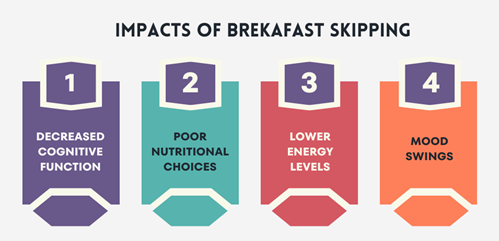
Figure 1: Impacts of breakfast skipping.
III. Management of Breakfast Skipping
The growing concern about breakfast skipping among adolescents has sparked interest in identifying effective strategies for intervention. Addressing this issue requires a multi-dimensional approach involving family dynamics, educational efforts, policy initiatives, and behavioral empowerment. Below are evidence-based strategies supported by recent literature.
1. Parental Involvement and Role Modeling [24]
Parents play a pivotal role in establishing healthy eating routines. Research shows that adolescents are more likely to consume breakfast when they observe their parents doing the same. Eating breakfast together as a family not only fosters healthier habits but also reinforces family bonding. Parents should lead by example and provide nutritious, balanced options such as whole grains, fruit, and dairy.
2. Meal Planning and Preparation [25]
Time pressure in the morning is one of the most common barriers to breakfast consumption. Preparing grab-and-go items in advance—such as boiled eggs, yogurt cups, pre-cut fruit, or smoothies—can greatly reduce the stress of morning routines. Encouraging adolescents to participate in meal preparation on weekends builds ownership and increases the likelihood of consistent breakfast intake.
3. Time Management and Sleep Hygiene [26]
Late wake-up times, often due to inadequate or inconsistent sleep, are a major factor in missed breakfasts. Studies show that insufficient sleep can reduce morning appetite and energy levels. Promoting better sleep hygiene—such as setting consistent bedtimes and reducing screen time—can help adolescents wake up earlier and feel more inclined to eat breakfast.
4. Promoting Convenience and Accessibility [27]
Busy adolescents are more likely to consume breakfast when convenient and nutritious options are readily available. Stocking the home with easy-to-access foods such as breakfast bars, fruit, or pre-packed meals can increase intake. Schools can also contribute by offering quick and healthy items through on-campus breakfast kiosks or school cafeterias.
5. School-Based Breakfast Programs [28]
Evidence suggests that school breakfast programs can significantly improve participation in morning meals, especially in low-income or rural areas. These programs provide structured, consistent access to balanced meals and have been associated with improved academic outcomes, better behavior, and greater student focus. Parents and teachers should actively promote these programs and reduce stigma around school meal consumption.
6. Nutrition Education and Awareness [29]
Educational campaigns—both at home and in schools—are vital to raising awareness of the importance of breakfast. Adolescents must understand the link between breakfast and energy, mood, metabolism, and academic performance. Interactive activities, classroom discussions, and peer-led workshops can enhance engagement and knowledge retention.
7. Empowering Adolescents to Take Charge [30-40]
• Self-Awareness: Adolescents should be encouraged to observe how skipping breakfast affects their mood, attention, and energy levels. Self-monitoring tools, like food diaries or mobile apps, can help make this connection more tangible.
• Promoting Independence: Teaching basic meal-prep skills empowers teens to make their own breakfast. Easy-to-make recipes, cooking demonstrations, and teen-focused cookbooks can facilitate independence.
• Co-creation of Solutions: Collaboratively identifying breakfast strategies that fit their schedules, taste preferences, and social routines is key. Involving teens in creating weekly menus or selecting grocery items promotes adherence and ownership.
IV. Discussion
A growing body of research highlights the detrimental effects of skipping breakfast among adolescents and explores varying factors that influence this behavior across populations and cultures. In a foundational study, Berkey et al. (2003) found that adolescents who regularly skipped breakfast had significantly lower energy intake and a higher association with being overweight, particularly among those already at risk of obesity [31]. This was echoed by Ricotti et al. (2021) who reported an increased likelihood of overweight and obesity in adolescents who routinely missed breakfast, identifying a strong link between breakfast avoidance and cardiometabolic risk[41]. Parental influence and socioeconomic status have also emerged as critical determinants of breakfast behavior. Videon and Manning (2003) demonstrated that adolescents from families with higher educational levels and structured meal patterns were more likely to maintain regular breakfast habits. Yang et al. (2006) built on this by showing that irregular breakfast eating (IRBE) among Taiwanese adolescents correlated with poorer quality of life and health behaviors, especially among females, emphasizing the role of schools and family in promoting breakfast [32,33].Nutritionally, Hoyland et al. (2009) reported that consuming breakfast—particularly a solid one—resulted in better memory and attention outcomes, compared to skipping or having liquid-only meals [35]. This cognitive benefit was further reinforced by Ferrer Cascales et al. (2018) who found that adolescents consuming high-quality breakfasts experienced better mental well-being and lower stress levels than those eating poor-quality or no breakfast [38]. Snacking patterns also emerged as a compensatory behavior in adolescents who skip breakfast. Savige et al. (2007) observed that up to a quarter of daily energy intake came from snacks, suggesting that targeting snack habits might be key in managing energy balance, even though curbing snacking may not be realistic due to its widespread prevalence[34]. Sleep and schedule-related factors have also been found to influence breakfast skipping. Badrasawi et al. (2016) and Mathew et al. (2022) highlighted the interplay between poor sleep hygiene and reduced breakfast consumption. Adolescents with irregular or insufficient sleep were less likely to eat breakfast, resulting in lower academic and physical performance[37-43]. Zeballos and Todd (2020) examined how skipping breakfast affects meal patterns throughout the day. They found that missing breakfast led to increased energy intake during lunch and dinner, disrupting total daily dietary quality. Similarly, Kotecha et al. (2013) [36] noted a major gap between adolescents' nutritional knowledge and actual eating practices, often shaped by peer influence and lack of time [40]. Mohiuddin (2018) and Mathew et al. (2022) emphasized the need to personalize breakfast based on age, activity level, and lifestyle. They highlighted the importance of macronutrient balance, particularly the benefits of high-protein breakfasts for maintaining energy, attention, and emotional balance in school-going adolescents [39,43]. Together, these studies present a compelling case for a multifactorial approach to addressing breakfast skipping. Strategies must account for sociocultural, psychological, and physiological factors, and interventions should include nutrition education, family involvement, sleep regulation, and accessibility to healthy breakfast options both at home and in schools.
Conclusion
Breakfast plays a foundational role in the overall health and development of adolescents, yet skipping this critical meal has become increasingly prevalent due to modern lifestyle pressures and sociocultural influences. As this chapter has demonstrated through historical context, epidemiological data, and comparative global studies, the decline in breakfast consumption among youth is not just a dietary concern it reflects deeper behavioral and environmental issues that demand urgent attention. The implications of breakfast skipping are far-reaching. Adolescents who regularly miss breakfast experience higher rates of fatigue, emotional instability, poor academic outcomes, and adverse physical health effects, including weight gain and menstrual irregularities. These consequences are often compounded by poor sleep hygiene and irregular daily routines. Furthermore, meal skipping has been associated with unhealthy compensation behaviors such as excessive snacking and increased intake of processed foods later in the day, disrupting the balance of daily energy and nutrient consumption. Research has also shown that breakfast quality, not just frequency, matters significantly. Nutrient-dense, protein-rich breakfasts are more effective in enhancing mood, cognitive performance, and overall well-being. Therefore, merely promoting the idea of "eating something in the morning" is insufficient—there must be an emphasis on balanced, high-quality meals. Addressing this issue requires a holistic, multi-pronged strategy involving parents, educators, healthcare providers, and policymakers. From meal planning and school breakfast programs to adolescent empowerment and nutrition education, effective interventions must be age-appropriate, culturally relevant, and tailored to individual needs and preferences. In conclusion, reversing the trend of breakfast skipping among adolescents is essential for safeguarding their physical, mental, and academic development. Promoting breakfast as a non-negotiable daily habit—and ensuring it is both nutritious and accessible should be a public health priority.
References
- Anderson, H. (2020). A History of Breakfast. Food & History Review.
View at Publisher | View at Google Scholar - Smith, L. (2015). The Evolution of Morning Meals in Europe. Journal of Cultural Nutrition.
View at Publisher | View at Google Scholar - Stewart, R., & Norriss, J. (2018). Food Traditions Through Time. European Culinary Heritage Series.
View at Publisher | View at Google Scholar - Clarke, D. (2019). Global Breakfast Trends: A Sociocultural Analysis. Culinary Sociology Journal.
View at Publisher | View at Google Scholar - WHO. (2022). Adolescent Health and Development. World Health Organization.
View at Publisher | View at Google Scholar - UNICEF. (2021). Nutrition and the Adolescent Growth Spurt. Global Nutrition Report.
View at Publisher | View at Google Scholar - Larson, N. et al. (2019). Dietary Trends and Growth Patterns in Adolescents. Nutrition in Youth Journal, 17(3), 245-252.
View at Publisher | View at Google Scholar - Rampersaud, G.C. (2009). Benefits of Breakfast for Children and Adolescents: A Review. Journal of the American Dietetic Association, 109(5), 743-760.
View at Publisher | View at Google Scholar - de la Hunty, A. & Ashwell, M. (2007). Breakfast and Health in Adolescents: A Comprehensive Review. Nutrition Bulletin, 32(4), 324-335.
View at Publisher | View at Google Scholar - Hoyland, A., Dye, L., & Lawton, C. L. (2009). Breakfast and Cognitive Function in Children and Adolescents. Nutrition Research Reviews, 22(2), 220-243.
View at Publisher | View at Google Scholar - Adolphus, K., Lawton, C. L., & Dye, L. (2013). The Relationship Between Habitual Breakfast Consumption Frequency and Academic Performance in British Adolescents. Frontiers in Human Neuroscience, 7, 425.
View at Publisher | View at Google Scholar - O’Sullivan, T. A. et al. (2017). Breakfast Quality and Adolescent Mental Health Outcomes. Public Health Nutrition, 20(4), 668-674.
View at Publisher | View at Google Scholar - Pearson, N., Biddle, S. J., & Gorely, T. (2009). Family Influence on Breakfast Habits. Appetite, 52(3), 721-724.
View at Publisher | View at Google Scholar - Rampersaud, G.C. (2009). Breakfast habits among adolescents: Impact of time constraints on weekday consumption. Journal of the American Dietetic Association, 109(5), 743–760.
View at Publisher | View at Google Scholar - Pearson, N., Biddle, S. J., & Gorely, T. (2009). Family influence on breakfast skipping in youth. Appetite, 52(3), 721–724.
View at Publisher | View at Google Scholar - Seiga-Riz, A. M., Popkin, B. M., & Carson, T. (1998). Trends in breakfast consumption among adolescents. Pediatrics, 101(5), 954–960.
View at Publisher | View at Google Scholar - Keski-Rahkonen, A. et al. (2003). Breakfast skipping and weight gain among adolescents. European Journal of Clinical Nutrition, 57(5), 842–851.
View at Publisher | View at Google Scholar - Bublitz, M. G., Peracchio, L. A., & Block, L. G. (2010). Social influence on adolescent dietary choices: The role of media and peers. Journal of Consumer Psychology, 20(3), 256–265.
View at Publisher | View at Google Scholar - Hoyland, A., Dye, L., & Lawton, C. L. (2009). Breakfast and cognitive performance in children and adolescents. Nutrition Research Reviews, 22(2), 220–243.
View at Publisher | View at Google Scholar - de la Hunty, A., & Ashwell, M. (2007). Link between breakfast omission and energy imbalance. Nutrition Bulletin, 32(4), 324–335.
View at Publisher | View at Google Scholar - Sato-Mito, N., Shibata, S., Sasaki, S., & Yoshiike, N. (2011). Skipping breakfast and reproductive health in adolescent girls. Appetite, 57(2), 573–580.
View at Publisher | View at Google Scholar - Adolphus, K., Lawton, C. L., & Dye, L. (2013). Effects of breakfast on mood and cognition. Frontiers in Human Neuroscience, 7, 425.
View at Publisher | View at Google Scholar - O’Sullivan, T. A., et al. (2017). Longitudinal analysis of breakfast and adolescent mental health outcomes. Public Health Nutrition, 20(4), 668–674.
View at Publisher | View at Google Scholar - Pearson, N., Biddle, S. J., & Gorely, T. (2009). Family influence on breakfast habits. Appetite, 52(3), 721–724.
View at Publisher | View at Google Scholar - Kotecha, P. V., Patel, S. V., et al. (2013). Food habits and patterns among school-aged urban adolescents in India. Indian Journal of Community Health, 25(2), 123–129.
View at Publisher | View at Google Scholar - Badrasawi, M., et al. (2016). Barriers to breakfast consumption among rural adolescents and role of sleep. Malaysian Journal of Nutrition, 22(1), 55–66.
View at Publisher | View at Google Scholar - Savige, G., MacFarlane, A., et al. (2007). Snacking behaviour and its role in adolescent nutrition. Journal of Adolescent Health, 41(6), 572–576.
View at Publisher | View at Google Scholar - Mohiuddin, A. K. (2018). The importance of meal timing and quality in adolescent health. Archives of Pharmacy Practice, 9(4), 1–6.
View at Publisher | View at Google Scholar - Ferrer-Cascales, R., et al. (2018). Breakfast consumption and quality of life in adolescents. Nutrients, 10(10), 1372.
View at Publisher | View at Google Scholar - Mathew, G. M., et al. (2022). Sleep and breakfast habits in adolescent health: Associations with academic performance. Sleep Health, 8(1), 45–52.
View at Publisher | View at Google Scholar - Berkey, C. S., Rockett, H. R., Gillman, M. W., & Colditz, G. A. (2003). Longitudinal study of skipping breakfast and weight change in adolescents. Obesity Research, 11(1), 78–86.
View at Publisher | View at Google Scholar - Videon, T. M., & Manning, C. K. (2003). Influences on adolescent eating patterns: The importance of family meals. Journal of Adolescent Health, 32(5), 365–373.
View at Publisher | View at Google Scholar - Yang, R. J., Wang, E. K., & Hsieh, Y. S. (2006). Irregular breakfast eating and health status among adolescents in Taiwan. Asia Pacific Journal of Clinical Nutrition, 15(1), 114–119.
View at Publisher | View at Google Scholar - Savige, G., MacFarlane, A., Ball, K., Worsley, A., & Crawford, D. (2007). Snacking behaviours of adolescents and their association with skipping meals. International Journal of Behavioral Nutrition and Physical Activity, 4(1), 36.
View at Publisher | View at Google Scholar - Hoyland, A., Dye, L., & Lawton, C. L. (2009). A systematic review of the effect of breakfast on the cognitive performance of children and adolescents. Nutrition Research Reviews, 22(2), 220–243.
View at Publisher | View at Google Scholar - Kotecha, P. V., Patel, S. V., Shah, V. R., & Shah, D. N. (2013). Dietary pattern of schoolgoing adolescents in urban Baroda, India. Journal of Health, Population and Nutrition, 31(4), 490–496.
View at Publisher | View at Google Scholar - Badrasawi, M., Shahar, S., Saed, H., & Subih, M. (2016). Breakfast skipping among Palestinian schoolchildren and their barriers towards school breakfast programs. Malaysian Journal of Nutrition, 22(1), 55–66.
View at Publisher | View at Google Scholar - Ferrer-Cascales, R., Albaladejo-Blázquez, N., Ruiz-Robledillo, N., Clement-Carbonell, V., Sánchez-SanSegundo, M., & Zaragoza-Martí, A. (2018). Eat or skip breakfast? The important role of breakfast quality for health-related quality of life, stress and depression in Spanish adolescents. International Journal of Environmental Research and Public Health, 15(8), 1781.
View at Publisher | View at Google Scholar - Mohiuddin, A. K. (2018). Importance of breakfast: Physiological and psychological impact. Archives of Pharmacy Practice, 9(4), 1–6.
View at Publisher | View at Google Scholar - Zeballos, E., & Todd, J. E. (2020). The effects of skipping breakfast on daily energy intake and diet quality. U.S. Department of Agriculture, Economic Research Service. Retrieved from https://www.ers.usda.gov
View at Publisher | View at Google Scholar - Ricotti, R., Caputo, M., Monzani, A., Pigni, S., Antoniotti, V., & Bellone, S. (2021). Breakfast skipping, overweight and obesity in children and adolescents: A systematic review and meta-analysis. Nutrients, 13(9), 3180.
View at Publisher | View at Google Scholar - Mathew, G. M., Hale, L., & Chang, A. M. (2022). Adolescent sleep and breakfast patterns: Associations with health and well-being. Sleep Health, 8(1), 45–52.
View at Publisher | View at Google Scholar