 Clinic
Review Article | DOI: https://doi.org/10.31579/2834-8508/045
AI Systems and Ethical Responsibility: A Research Examination
1Assistant Professor, Department of Nutrition and Dietetics, School of Allied Health Science, Sharda University, Greater Noida, U.P,India.
2 M. Sc Students, Department of Nutrition and Dietetics, School of Allied Health Science, Sharda University, Greater Noida, U.P,India.
3Assistant professor, Institute of Home science, Bundelkhand university, Jhansi, U.P,India.
*Corresponding Author: Neelesh Kumar Maurya, Assistant Professor, Department of Nutrition and Dietetics, School of Allied Health Science, Sharda University, Greater Noida, U.P, India.
Citation: Neelesh K. Maurya, Ganapathiraju G.Ramachandra, Pratibha Arya. (2025), AI Systems and Ethical Responsibility: A Research Examination, Archives of Clinical and Experimental Pathology, 4(3); Doi:10.31579/2834-8508/045
Copyright: © 2025, Neelesh Kumar Maurya. This is an open access article distributed under the Creative Commons Attribution License, which permits unrestricted use, distribution, and reproduction in any medium, provided the original work is properly cited.
Received: 02 May 2025 | Accepted: 16 May 2025 | Published: 26 May 2025
Keywords: ethical issues; ai research; data privacy; security; algorithm bias; interpretability
Abstract
Ethical considerations in AI research are multifaceted and critical. Data privacy and security are paramount, as AI systems often rely on sensitive personal data that must be protected from unauthorized access, misuse, and breaches. Algorithm bias, arising from training data that does not accurately reflect the real world, can lead to unfair or inaccurate outcomes, perpetuating existing societal inequalities. Interpretability, or the ability to understand how an AI system arrives at a particular decision, remains a significant challenge, hindering trust and responsible use in critical applications. Accountability for the actions and consequences of AI systems, especially in high-stakes domains, is a complex and crucial ethical issue. The potential for weaponization of AI raises serious concerns, while the philosophical question of moral agency in AI systems remains a subject of ongoing debate. Addressing these ethical concerns requires a multi-faceted approach. Ethical guidelines and frameworks are crucial for guiding the development and deployment of AI systems responsibly. Transparency and explainability are essential to build public trust and ensure that AI systems are accessible and understandable. Accountability mechanisms are necessary to ensure that AI systems are used safely and ethically and that developers and users are held responsible for their actions. Active participation from researchers, developers, policymakers, and the public is crucial to ensure that AI systems are developed and used in a manner that aligns with societal values and ethical principles. This study delves into the unique aspects of research ethics in AI, exploring the challenges and opportunities in navigating these complex ethical considerations.
A.Introduction
Ethical Considerations in Artificial Intelligence (AI) Research
Artificial Intelligence (AI) has rapidly emerged as a transformative innovation with the potential to revolutionize various aspects of modern life, including healthcare, finance, transportation, and entertainment [1]. However, the significant power of AI also brings immense responsibility. The swift advancement of AI technologies has raised pressing ethical concerns within research and development. Fig:1,this overview explores these ethical challenges and underscores the critical need for addressing them to ensure the responsible and fair application of AI systems.
Fairness and Bias in AI Systems
One of the most prominent ethical concerns in AI research is fairness and bias. AI systems are trained on extensive datasets, which often carry inherent biases. These biases can result in unfair or discriminatory outcomes [2,3]. For example, facial recognition technologies have demonstrated higher error rates when identifying individuals with darker skin tones, leading to justified criticism. Such biases not only perpetuate but may also exacerbate existing socioeconomic inequalities. Ethical AI research demands rigorous measures to identify, address, and minimize biases in datasets and algorithms, ensuring equitable outcomes for all stakeholders [4].
Transparency and Explainability
AI systems, particularly deep learning models, are often described as "black boxes" due to their opaque decision-making processes. This lack of transparency creates challenges in understanding how AI systems generate conclusions, raising significant concerns about accountability and trust. Ethical research aims to enhance transparency and explainability in AI systems, enabling users, stakeholders, and regulators to comprehend the rationale behind AI-driven decisions.
Data Privacy and Security
AI research frequently depends on vast amounts of data, including sensitive personal information. Safeguarding privacy and maintaining data integrity are fundamental ethical imperatives. Researchers must adhere to strict standards for data anonymization, ensure informed consent from participants, and implement robust security protocols to prevent breaches and unauthorized data access [5]. Protecting individuals' privacy rights is not merely a technical requirement but an ethical necessity.
Informed Consent
When human participants are involved in AI research, securing informed consent is paramount. Participants must be fully aware of how their data will be used, potential risks involved, and the objectives of the research. Ethical researchers prioritize transparency, ensuring participants voluntarily contribute with a clear understanding of the implications of their involvement.
Accountability and Responsibility
Determining accountability when AI systems cause errors or unintended harm remains a complex challenge. Ethical AI research must establish clear accountability frameworks that define the responsibilities of developers, users, and stakeholders [6]. Transparent accountability ensures that individuals and organizations can be held responsible for AI-related outcomes, minimizing misuse and fostering trust in AI systems.
Safety and Reliability in AI Systems
AI systems, particularly in safety-critical domains such as autonomous vehicles and healthcare devices, must demonstrate resilience and reliability. Ethical AI researchers emphasize extensive testing, validation, and quality assurance to mitigate the risk of unforeseen failures or harmful consequences [7]. Ensuring the robustness of AI systems is vital to prevent catastrophic failures in real-world applications.
Type of Concerns Ethical Challenges
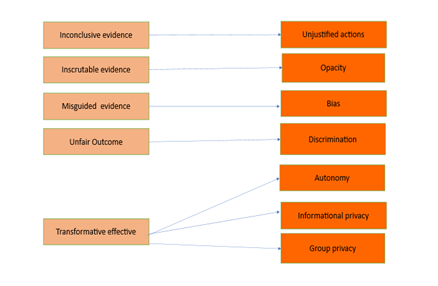
Figure 1: Common ethical challenges in AI
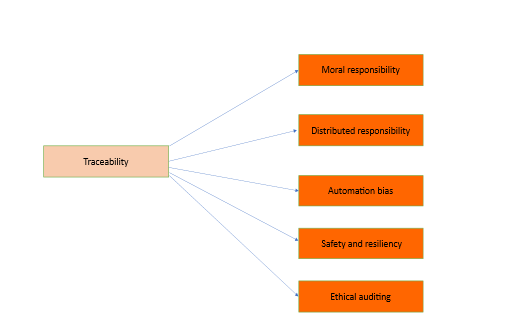
Figure 2: Common ethical challenges in AI
B. Research with Artificial Intelligence Systems
Research in artificial intelligence is a fast-evolving discipline encompassing various domains and methodologies. It is aimed at developing new technologies, understanding their capabilities, and ensuring they are used responsibly. Below are key components of research involving AI systems:
B.1. The Development of Algorithms for AI
AI algorithms form the backbone of AI systems, enabling machines to learn, make predictions, and automate tasks. Researchers focus on developing algorithms in machine learning, deep learning, and reinforcement learning to improve AI's performance and adaptability. Ethical considerations in algorithm design include minimizing biases, ensuring transparency, and enhancing fairness [9].
B.2. The Collection and Preparation of Data
AI relies heavily on data for training and validation. Researchers are responsible for collecting, cleaning, and curating high-quality datasets that are diverse and representative. Ethical data practices, including anonymization, consent, and transparency, are essential to safeguard privacy and prevent misuse [10].
B.3. Training and Evaluation of Models
AI models are trained on labeled datasets to recognize patterns, classify data, and make predictions. Rigorous testing and evaluation processes are conducted to measure the reliability, accuracy, and fairness of AI models. Researchers must ensure that models do not perpetuate biases and are evaluated on diverse datasets [9].
B.4. Ethical Aspects in AI Research
Ethical issues such as fairness, transparency, accountability, and societal impact are central to AI research. Researchers must consider the unintended consequences of their work, including algorithmic discrimination, privacy violations, and adverse social impacts [11].
B.5. Application Across Domains
AI research spans numerous fields, including healthcare, finance, robotics, natural language processing, computer vision, and autonomous systems. Researchers aim to address domain-specific challenges while adhering to ethical principles [12].
B.6. Interdisciplinary Collaboration
AI research often requires collaboration across disciplines such as computer science, mathematics, neuroscience, ethics, and domain-specific expertise. This multidisciplinary approach ensures well-rounded solutions to complex AI challenges [13].
B.7. Experimentation and Prototyping
Prototyping and experimentation are essential to validate AI technologies in real-world scenarios. Researchers design experiments in controlled environments to test AI models' performance, reliability, and safety [9].
B.8. Dissemination of Research Findings
Transparent dissemination of findings through academic journals, conferences, and open-access platforms is crucial for advancing AI knowledge. Peer review ensures accountability and prevents the dissemination of biased or flawed findings [5,11].
B.9. Lifelong Learning and Adaptation
AI research is a constantly evolving field. Researchers must stay informed about the latest methodologies, tools, and ethical guidelines to adapt their work to emerging paradigms [9].
B.10. Ethical AI Development
Ethical AI systems must be designed with fairness, accountability, and transparency in mind. Ethical considerations should be embedded into every phase of AI development, from initial design to deployment and long-term monitoring [1,5].
B.11. Open-Source Collaboration
Open-source initiatives in AI research promote transparency, knowledge-sharing, and global collaboration. They accelerate innovation and enable ethical oversight by the broader research community [9].
B.12. Government and Industry Involvement
Public-private partnerships are essential for scaling AI research and addressing societal challenges. Governments and industry stakeholders contribute funding, resources, and regulatory frameworks [5,9].
B.13. Ethical Challenges and Dilemmas
AI researchers face ethical dilemmas, including the development of autonomous weapons, privacy breaches, employment displacement, and systemic biases. Addressing these challenges requires proactive ethical guidelines and oversight [9].
B.14. Global Impact of AI Research
AI research has far-reaching consequences, influencing economies, societies, and global relations. Researchers must evaluate both the benefits and risks of their contributions on a global scale [12].
B.15. Education and Skill Development
AI research benefits from strong educational programs that train future researchers and practitioners. Universities and training institutes play a key role in preparing a skilled workforce equipped with technical expertise and ethical awareness [14].
C. Why Research Ethics in AI Is Different
While the core principles of research ethics—such as honesty, transparency, and accountability—apply universally across scientific domains, AI research presents unique challenges due to the technology's complexity, scalability, and societal impact[11-19].
C.1. The Complexity of AI Systems
AI systems, especially deep learning models, are often described as "black boxes" because their decision-making processes are opaque and difficult to interpret. This lack of transparency creates significant ethical challenges related to accountability, bias, and explainability [16].
C.2. Unintended Consequences and Bias
AI systems can unintentionally reinforce societal biases present in training datasets. For example, facial recognition systems have been shown to exhibit higher error rates for minority groups. Addressing these biases requires continuous monitoring, auditing, and intervention.
C.3. Data Privacy and Surveillance Risks
AI systems often rely on vast datasets containing personal and sensitive information. The improper handling of such data can lead to privacy violations and increased risks of surveillance.
C.4. Societal Impact and Employment
AI has the potential to replace human labor in many sectors, raising concerns about job displacement and economic inequality. Ethical researchers must consider these societal impacts and propose solutions for workforce reskilling.
C.5. Accountability and Responsibility
Determining accountability in cases of AI-related failures or harm remains a significant challenge. Clear lines of responsibility must be established among developers, stakeholders, and end-users.
D. Future Prospects and Ethical Solutions in AI Research[20-25].
The future of AI research lies in developing frameworks, technologies, and guidelines that prioritize ethical principles while fostering innovation. Below are some potential solutions:
- Bias Mitigation Tools: Advanced algorithms for bias detection and correction must become standard practice in AI development pipelines.
- Transparent AI Models: Techniques such as explainable AI (XAI) should be integrated into system designs to ensure decision-making processes are interpretable.
- Data Privacy Regulations: Governments and organizations must enforce stringent data governance regulations, emphasizing data minimization, encryption, and anonymization.
- Global AI Ethics Frameworks: International collaboration is needed to develop standardized AI ethics guidelines applicable across borders.
- AI Ethics Training: Researchers and developers must receive mandatory training in ethical AI practices to incorporate responsible principles into their work.
- AI Auditing Systems: Independent audits should become standard practice to assess AI systems for fairness, transparency, and safety.
- Public Awareness Campaigns: Educating the public about AI technologies and their ethical implications will help build trust and accountability.
- Sustainable AI Solutions: Researchers should prioritize AI solutions that align with global sustainability goals, addressing climate and resource concerns.
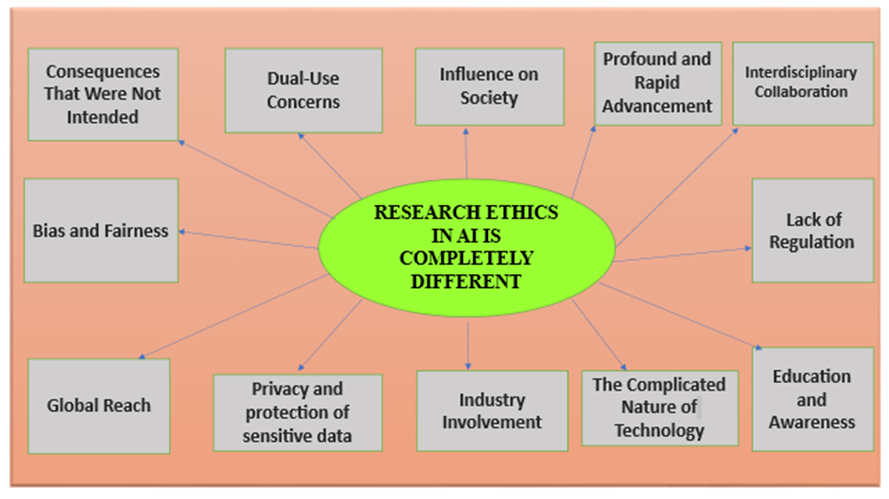
Figure 3: Why are research ethics in AI completely different?
Artificial Intelligence (AI) has rapidly evolved into one of the most transformative technologies of our era, impacting industries, economies, and everyday life. However, the ethical dimensions of AI research and deployment remain complex and multi-faceted. Addressing these challenges is not only essential for ensuring responsible AI deployment but also for safeguarding human rights, promoting fairness, and minimizing unintended harm. Below is an in-depth examination of key ethical concerns in AI research:
C.2. Privacy and Protection of Sensitive Data
AI systems often rely on extensive datasets, many of which may contain sensitive or personally identifiable information (PII). This includes medical records, financial data, social interactions, and other private details. Mishandling or unauthorized access to such data can lead to catastrophic consequences, including identity theft, financial fraud, or violations of individual privacy rights. Researchers have a responsibility to ensure robust data protection measures, such as encryption, secure storage, and anonymization techniques. Moreover, informed consent must be obtained from individuals whose data is being used. Ethical AI research requires a balance between utilizing vast datasets for innovation and safeguarding user privacy to prevent exploitation or breaches. Regulatory frameworks like the General Data Protection Regulation (GDPR) provide valuable guidelines, but global compliance remains challenging given the cross-border nature of AI research [17].
C.3. Bias and Fairness
AI systems learn patterns from data, and if these datasets contain historical or societal biases, the AI algorithms are likely to perpetuate or even amplify them. Examples include gender bias in hiring tools, racial bias in facial recognition systems, and socio-economic bias in lending algorithms. Bias in AI systems can result in discriminatory outcomes, reducing trust in technology and exacerbating social inequalities. Researchers must prioritize fairness by implementing bias detection tools, auditing AI systems for equitable outcomes, and ensuring dataset diversity. Ethical guidelines should mandate continuous evaluation of algorithms to identify and mitigate any embedded biases. Furthermore, interdisciplinary collaboration with sociologists, ethicists, and domain experts can provide broader perspectives on fairness [18].
C.4. Unintended Consequences
AI systems, especially in high-risk domains such as healthcare, finance, and autonomous vehicles, can produce unintended outcomes. For instance, an
AI-powered diagnostic tool may misdiagnose a patient due to skewed training data, or an autonomous vehicle may fail to make a critical decision in a high-pressure situation. These unintended consequences are not always foreseeable, yet they can have life-threatening implications. Researchers must adopt rigorous testing protocols, conduct scenario-based simulations, and assess potential risks comprehensively before deployment. Ethical foresight and risk assessment frameworks must be integral to AI research to minimize harmful consequences and ensure accountability when unintended outcomes arise [19].
C.5. Dual-Use Concerns
AI technologies are often dual-use in nature, meaning they can be employed for both beneficial and harmful purposes. For instance, an AI model designed for medical image analysis can also be repurposed for surveillance systems. Similarly, AI algorithms used for improving cybersecurity can be weaponized for malicious hacking activities. Ethical AI research must include robust guidelines to prevent misuse and address the dual-use dilemma. Researchers must evaluate potential risks and establish clear boundaries on permissible applications of their work. Collaboration with policymakers and international organizations is essential to regulate and monitor dual-use technologies effectively [9].
C.6. Influence on Society
The societal impact of AI extends far beyond individual users. AI systems have the power to shape employment landscapes, affect privacy rights, influence national security, and redefine human rights frameworks. Automation and AI-driven systems may displace workers, widening economic inequalities. AI-powered surveillance technologies may infringe upon civil liberties. Ethical AI research must consider these broader societal implications and propose strategies to address them, such as workforce reskilling programs, equitable access to AI technologies, and strong oversight mechanisms. Researchers must approach AI development with a long-term societal vision to ensure that its benefits are equitably distributed and its risks are mitigated [20].
C.7. Global Reach
AI research transcends national boundaries, making it a truly global endeavor. However, cultural, legal, and ethical norms vary significantly across regions. For example, privacy regulations in the European Union differ from those in the United States or China. Researchers must be cognizant of these differences and consider the global implications of their AI systems. Cross-border collaboration is essential for establishing universal ethical standards while respecting regional diversity. Global organizations, such as the United Nations (UN) and World Economic Forum (WEF), can play a key role in creating universally accepted AI ethics guidelines [21].
C.8. Profound and Rapid Advancement
The field of AI is advancing at an unprecedented pace, often outstripping the development of ethical frameworks and regulatory oversight. Emerging technologies like generative AI, deepfakes, and large language models pose new ethical challenges that require constant reevaluation of guidelines. Researchers must remain agile and proactive in addressing ethical concerns as new technologies emerge. Governments and regulatory bodies must also adapt to this fast-paced environment by establishing dynamic and flexible policies that can keep up with the evolving AI landscape [22].
C.9. Interdisciplinary Collaboration
AI ethics is not solely a technological issue; it intersects with fields such as philosophy, law, sociology, psychology, and political science. Effective AI research requires an interdisciplinary approach, where experts from diverse fields collaborate to address complex ethical challenges. Engineers and developers must work alongside ethicists, legal experts, and policymakers to ensure a holistic perspective on AI systems. This collaborative approach ensures that ethical concerns are identified, debated, and addressed from multiple angles [23].
C.10. Industry Involvement
The involvement of private corporations in AI research raises concerns about potential conflicts of interest. Companies often prioritize profit motives, which may conflict with ethical considerations such as fairness, transparency, and social responsibility. Ethical AI research must ensure that corporate interests do not overshadow societal welfare. Transparency, accountability, and third-party auditing mechanisms must be integrated into corporate AI projects to prevent misuse or unethical practices [24].
C.11. Lack of Regulation
AI remains a relatively new and rapidly evolving field, and regulatory frameworks are often unable to keep pace with technological advancements. This regulatory vacuum leaves researchers and organizations navigating ambiguous ethical territories. Governments, industry leaders, and academia must collaborate to create comprehensive AI regulations that address key concerns such as bias, privacy, and accountability. Researchers also bear the responsibility of self-regulation by adhering to ethical best practices in the absence of formal regulations [22-25].
C.12. Education and Awareness
Ethical AI research cannot be achieved without widespread education and awareness programs. Many AI practitioners lack formal training in ethics, leaving them ill-equipped to identify or address ethical challenges. Universities and research institutions must integrate AI ethics into their curricula. Workshops, certification programs, and continuous learning platforms can further ensure that researchers and developers are equipped with the tools and knowledge needed to handle ethical dilemmas effectively [9, 22-25].
D. Conclusions
As artificial intelligence (AI) continues to evolve, ethical considerations have become central to its research, development, and deployment. Addressing these ethical challenges is not merely a moral imperative but a foundational requirement for building public trust, fostering accountability, and ensuring the responsible and beneficial integration of AI into society. Issues such as bias, transparency, data privacy, and accountability represent critical hurdles that must be systematically addressed to maximize AI's potential while minimizing its risks. Bias in AI algorithms remains one of the most pressing concerns. Future solutions must focus on developing more representative and diverse datasets, employing bias detection tools, and incorporating fairness metrics into AI development pipelines. Furthermore, continuous audits and third-party evaluations of AI systems will be essential to identify and mitigate unintended discriminatory outcomes. Transparency and explainability are equally vital for increasing stakeholder confidence in AI systems. Future advancements should aim to make AI systems more interpretable through standardized explainability frameworks and regulatory guidelines. Implementing AI systems that can provide clear justifications for their decisions will bridge the gap between technical development and end-user trust.Data privacy and security will require stronger global frameworks for data governance. AI researchers must adopt advanced encryption technologies, federated learning models, and zero-trust architectures to protect sensitive information. Additionally, informed consent processes must evolve to become more transparent, user-friendly, and accessible, ensuring participants fully understand their involvement in AI research. Accountability frameworks will need further refinement to clarify the responsibilities of developers, users, and stakeholders. Future approaches should include legally binding guidelines for AI accountability, ensuring that individuals and organizations can be held liable for AI-driven decisions and actions. Collaboration between policymakers, technologists, and ethicists will be essential in this endeavor. Looking ahead, fostering interdisciplinary research and collaboration will be critical for addressing these multifaceted challenges. Governments, academia, and industry leaders must work together to create international AI ethics standards and enforce compliance. Furthermore, education and public awareness campaigns should be implemented to build a broader understanding of AI technologies and their societal impacts. In conclusion, ethical AI research is not just an academic requirement but a moral responsibility to safeguard human values in the age of intelligent machines. By focusing on fairness, transparency, privacy, and accountability while integrating future-forward solutions, society can ensure AI's responsible and equitable development. This ongoing commitment will allow AI to serve as a tool for positive societal transformation, aligning technological innovation with ethical integrity
E. Conflict of Interest
The authors declare no conflict of interest.
References
- Ford, M. (2021). Rule of the robots: How artificial intelligence will transform everything. Hachette UK.
View at Publisher | View at Google Scholar - Păvăloaia, V. D., & Necula, S. C. (2023). Artificial intelligence as a disruptive technology—a systematic literature review. Electronics, 12(5), 1102.
View at Publisher | View at Google Scholar - Belenguer, L. (2022). AI bias: Exploring discriminatory algorithmic decision-making models and the application of possible machine-centric solutions adapted from the pharmaceutical industry. AI and Ethics, 2(4), 771-787.
View at Publisher | View at Google Scholar - Mantelero, A. (2018). AI and big data: A blueprint for a human rights, social and ethical impact assessment. Computer Law & Security Review, 34(4), 754-772.
View at Publisher | View at Google Scholar - Kambhampati, S. B., Menon, J., & Maini, L. (2023). Ethics in research and publications. Indian Journal of Orthopaedics, 1-13.
View at Publisher | View at Google Scholar - Thirunavukarasu, A. J., Ting, D. S. J., Elangovan, K., Gutierrez, L., Tan, T. F., & Ting, D. S. W. (2023). Large language models in medicine. Nature Medicine, 1-11.
View at Publisher | View at Google Scholar - Jain, P., Tripathi, V., Malladi, R., & Khang, A. (2023). Data-driven artificial intelligence (AI) models in workforce development planning. In Designing Workforce Management Systems for Industry 4.0 (pp. 159-176). CRC Press.
View at Publisher | View at Google Scholar - Attard-Frost, B., De los Ríos, A., & Walters, D. R. (2023). The ethics of AI business practices: A review of 47 AI ethics guidelines. AI and Ethics, 3(2), 389-406.
View at Publisher | View at Google Scholar - Kooli, C. (2023). Chatbots in education and research: A critical examination of ethical implications and solutions. Sustainability, 15(7), 5614.
View at Publisher | View at Google Scholar - Casal, J. E., & Kessler, M. (2023). Can linguists distinguish between ChatGPT/AI and human writing?: A study of research ethics and academic publishing. Research Methods in Applied Linguistics, 2(3), 100068.
View at Publisher | View at Google Scholar - Zhang, J., Shu, Y., & Yu, H. (2023). Fairness in design: A framework for facilitating ethical artificial intelligence designs. International Journal of Crowd Science, 7(1), 32-39.
View at Publisher | View at Google Scholar - Ferrara, E. (2023). Should ChatGPT be biased? Challenges and risks of bias in large language models. arXiv preprint arXiv:2304.03738.
View at Publisher | View at Google Scholar - Rusmiyanto, R., Huriati, N., Fitriani, N., Tyas, N. K., Rofi’i, A., & Sari, M. N. (2023). The role of artificial intelligence (AI) in developing English language learner's communication skills. Journal on Education, 6(1), 750-757.
View at Publisher | View at Google Scholar - Rotaru, T. Ș., & Amariei, C. (2023). Ethical issues in research with artificial intelligence systems. Intech Open.
View at Publisher | View at Google Scholar - Khalid, N., Qayyum, A., Bilal, M., Al-Fuqaha, A., & Qadir, J. (2023). Privacy-preserving artificial intelligence in healthcare: Techniques and applications. Computers in Biology and Medicine, 106848.
View at Publisher | View at Google Scholar - Ueda, D., Kakinuma, T., Fujita, S., Kamagata, K., Fushimi, Y., Ito, R., ... & Naganawa, S. (2023). Fairness of artificial intelligence in healthcare: Review and recommendations. Japanese Journal of Radiology, 1-13.
View at Publisher | View at Google Scholar - Stahl, B. C., & Leach, T. (2023). Assessing the ethical and social concerns of artificial intelligence in neuroinformatics research: An empirical test of the European Union Assessment List for Trustworthy AI (ALTAI). AI and Ethics, 3(3), 745-767.
View at Publisher | View at Google Scholar - Khogali, H. O., & Mekid, S. (2023). The blended future of automation and AI: Examining some long-term societal and ethical impact features. Technology in Society, 73, 102232.
View at Publisher | View at Google Scholar - Jobin, A., Ienca, M., & Vayena, E. (2019). The global landscape of AI ethics guidelines. Nature Machine Intelligence, 1(9), 389-399.
View at Publisher | View at Google Scholar - Du, S., & Xie, C. (2021). Paradoxes of artificial intelligence in consumer markets: Ethical challenges and opportunities. Journal of Business Research, 129, 961-974.
View at Publisher | View at Google Scholar - Ossa, L. A., Rost, M., Lorenzini, G., Shaw, D. M., & Elger, B. S. (2023). A smarter perspective: Learning with and from AI-cases. Artificial Intelligence in Medicine, 135, 102458.
View at Publisher | View at Google Scholar - Anderson, M. M., & Fort, K. (2023). From the ground up: Developing a practical ethical methodology for integrating AI into industry. AI & SOCIETY, 38(2), 631-645.
View at Publisher | View at Google Scholar - Zhang, J., & Zhang, Z. M. (2023). Ethics and governance of trustworthy medical artificial intelligence. BMC Medical Informatics and Decision Making, 23(1), 7.
View at Publisher | View at Google Scholar - Singh, A. P., Saxena, R., Saxena, S., & Maurya, N. K. (2024). Artificial intelligence revolution in healthcare: Transforming diagnosis, treatment, and patient care. Asian Journal of Advances in Research, 7(1), 241-263.
View at Publisher | View at Google Scholar - Thakur, D., & Maurya, N. K. (2024). The impact of technology on food product development. Journal of Nutrition and Food Processing, 7, 12.1-6.
View at Publisher | View at Google Scholar