 Clinic
Research Article | DOI: https://doi.org/10.31579/2835-785X/126
Acne Vulgaris among Infertile Women: Impact of Lifestyle Modifications
1 PhD Student in Maternal and Newborn Health Nursing, Faculty of Nursing, Beni-Suef University, Egypt.
2 Professor of Maternal and Newborn Health Nursing, Faculty of Nursing, Beni-Suef University, Egypt.
*Corresponding Author: Dr. Hanan Elzeblawy Hassan, Professor of Maternal and Newborn Health Nursing, Faculty of Nursing, Beni-Suef University, Egypt.
Citation: Fatma Hosny Abd-ELghafar, Enas Kasem Ali, Hanan Elzeblawy Hassan, (2026), Acne Vulgaris among Infertile Women: Impact of Lifestyle Modifications, International Journal of Clinical Research and Reports. 5(3); DOI: 10.31579/2835-785X/126
Copyright: © 2026, Dr. Hanan Elzeblawy Hassan. This is an open-access article distributed under the terms of the Creative Commons Attribution License, which permits unrestricted use, distribution, and reproduction in any medium, provided the original author and source are credited.
Received: 08 March 2026 | Accepted: 21 April 2026 | Published: 01 May 2026
Keywords: acne vulgaris; modifications; infertile women; PCOs
Abstract
Background: The Global Acne Grading method (GAGS) is a quantitative grading system used to assess acne severity, based on six regional subscores and the overall score of all acne-infected regions.
Aim: The study aimed to assess the impact of lifestyle modification on acne levels in infertile overweight and obese women with PCOs.
Subjects and Methods: A study was conducted on 116 overweight and obese women at Beni-Suef University Hospital, using a quasi-experimental design. Patients were divided into two groups: that receiving lifestyle modification intervention and those receiving routine care. The study utilized two tools: Tool (1): Arabic Structured interviewing questionnaire contains: (a) basic sociodemographic characteristics. (b) Features of acne level that contains Acne Grading System (GAGS), to determine severity of acne. Tool (2): Lifestyle and habits characteristics that divided into: Part I: Data about nutrition habits: Part II: Block Adult Physical Activity (PA) Screener was the predictor for physical activity.
Results: Prior to the intervention, 43% of the study group had several minor inflammatory lesions. After the intervention, 94.8% of them had clear skin free of any inflammatory or non-inflammatory blemishes. Severe acne was observed in 100% of the studied group women before intervention, compared to 50% after intervention for poor habits. Statistically significant association between acne vulgaris levels and lifestyle dietary habits among the studied group of infertile overweight and obese women was observed after program implementation (p<0.05). Statistically significant association between acne vulgaris levels and physical activity level among the study/control groups of infertile overweight and obese women was observed after program implementation (p<0.05).
Conclusion: Lifestyle modifications significantly improve acne vulgaris levels in infertile overweight and obese women with poly cystic ovarian syndrome.
Recommendations: Nurses as counselors should provide counseling and guidance and have the responsibilities to teach among infertile overweight women lifestyle modification, as it offers a great challenge in today’s world.
Introduction
Androgens promote lipolysis, which raises the levels of free fatty acids in the blood, which leads to the development of insulin resistance and the development of abdominal obesity, particularly visceral obesity, which is frequent in women with PCOS. The effects of too much androgen on pertinent tissues; acne, is among other sign of hyperandrogenism (Di Lorenzo, et al., 2023; Hassan, 2016; Sheha et al., 2018; Mohamed et al., 2024; Hassan et al., 2016; Nady et al., 2014).
Polycystic ovarian syndrome (PCOS) was first discovered in 1935 by Doctors Stein and Leventhal, and for many years it was referred to as the Stein-Leventhal syndrome. PCOS, sometimes known as HA or Stein-Leventhal syndrome, is a group of symptoms brought on by an imbalance in a woman's hormones (Mohamed & Hassan, 2020; Rana et al., 2023; Hassan et al., 2019b; Hassan & Farag, 2019; Emem & Hassan, 2017).
Polycystic ovarian syndrome poses a significant public health challenge that requires both prevention and treatment because it negatively impacts reproductive, metabolic, and psychological health. 75% of lean women and 95% of overweight women have insulin resistance (Moran et al., 2020).
Adolescent females frequently experience comedonal acne, but moderate or severe cases (defined as 10 or more facial lesions) during early puberty or mild inflammatory acne through the perimenarcheal years are rare (5% frequency) (Carmina, et al., 2022). Although biochemical hyperandrogenism and acne are linked, the prognostic significance of acne alone is uncertain. (DiVall, 2023).
A quantitative grading method called the Global Acne Grading method (GAGS) is used to gauge the severity of acne. The sum of six regional subscores (forehead, right cheek, left cheek, nose, chin, chest, and upper back) yields the overall severity score. The factor is multiplied by the grade for each region to create each subscore, and the sum of all regions with acne produces the overall score (Basfar, et al., 2023).
Treatment options for PCOS underlined are pharmacological, surgical intervention, and non-pharmacological interventions (Lifestyle interventions).
I. Pharmacological treatment
a) Anti-androgen: The most popular antiandrogens include flutamide, finasteride, spironolactone, and cyproterone acetate. As a result, all of the suggested medications have an antiandrogenic impact, although it's common practice to ignore any potential adverse effects of the various treatments (Armanini et al., 2022).
b) Treatment for acne: Oral contraceptives and antiandrogen medications can be used alone or in conjunction with traditional topical acne treatments, including retinoids, antibiotics, and benzoyl peroxide, to treat acne. In 50%–90% of affected patients, the counts of inflammatory acne decline by 30%–60%. Patients who have deep-seated acne or have relapsed on isotretinoin benefit the most from OCPs (Davariya, et al., 2022).
II. Non-pharmacological interventions (Lifestyle interventions):
The most recent global guidelines on PCOS from 2018 suggest that the first line of treatment for PCOS symptoms be lifestyle control by dietary changes, physical activity, behavioral modification, or a combination of these. All of the symptoms of PCOS can be alleviated by losing weight (Hoeger et al., 2023; Hassan et al., 2015; Nady et al., 2017; Hassan, 2019a; Gamel et al., 2019; Hassan et al., 2015). Although the majority of doctors advocate lifestyle changes for the management of PCOS, the majority of PCOS patients said that they infrequently receive recommendations for lifestyle changes from their therapists (Nemchikova & Frontoni, 2022; Mohammed et al., 2018, Hassan, 2020a; Nady et al., 2018b; Hassan, 2020b; Nady et al., 2018a; Mostafa et al., 2018).
Aim of the Study:
The study aimed to assess the impact of lifestyle modification on acne levels in infertile overweight and obese women with PCOs.
Acne Vulgaris, Modifications, Infertile Women, PCOs
Infertile overweight and obese women who will receive lifestyle modification interventions will experience an improvement and decrease acne level.
Subject and Methods
Subject and Study setting
A quasi-experimental design (Study-Control) was utilized. The study was conducted at gynecological and infertility clinics and specialized medical centers affiliated with Beni-Suef University Hospital. A purposive sample of diagnostic PCOs infertile overweight and obese women was selected, meeting specific criteria. The sample size was estimated to be 116 women, divided into two groups: the experimental group receiving lifestyle modification intervention and the control group receiving routine care. Patients were interviewed twice before and after interventions.
Tools of data collection: two main tools were utilized in collecting data:
Tool (1): Arabic Structured interviewing questionnaire divided into two parts:
Part I. Telephone number, age, address, marital status, employment, length in centimeters, weight in kilos, waist circumference, and thigh circumference are examples of basic information and sociodemographic data.
Part II. Features of Acne vulgaris:
By applying the Global Acne Grading System (GAGS), the severity of acne was evaluated. Six regional sub-scores are added together to create the overall score. The factor was multiplied by the grade for each sub-region to determine its score, and the sum of all the sub-regions with acne was used to determine the overall score(Shahbag, 2017).
The Global Acne Grading System (GAGS), which evaluates the six primarily masculine body areas for acne, was used to determine the degree of acne in the participants. Each area was visually scored from zero (no pills) to four (inflammatory and non-inflammatory acne), with more than one nodular acne. Mild level indicates clear skin with no inflammatory or non-inflammatory lesions. Moderate level indicates almost clear; rare noninflammatory lesions with more than one small inflammatory lesion. Severe/Mild severity level indicates some non-inflammatory lesions with no more than a few inflammatory lesions (papules/pustules only
Scoring system:
The total score was adopted from Shahbag (2017) and assessed by summation of sub-scores in the six areas:
- A total score of 25% indicates no acne (0-6)
- A total score of >25%-50% indicates mild acne (>6-12)
- A total score >50%-75% indicates moderate acne (>12-18)
- A total score >75%-100% indicates severe acne (>18-24)
Ethical Considerations: The study received official approval from ethical and research counsels at Menoufia University, and informed oral consent from all women after explaining the study's nature and purpose.
Pilot study: The pilot study was carried out on 10% of the total study sample (10 women) to evaluate the applicability, efficiency, clarity of tools, and assessment of the feasibility of fieldwork, besides detecting any possible obstacles that might face the researcher and interfere with data collection.
Field Work:
Phase I (preparatory phase): The researcher conducted a literature review, developed data collection tools, and tested their validity through a jury of experts to ensure content, knowledge, accuracy, and relevance of the tools.
Phase (1I): Interviewing and data gathering phase: Researchers conducted a pre-test phase for hyper-androgenic infertile overweight and obese women, assessing socio-demographic characteristics, lifestyle habits, and baseline measures related to hyper-androgenism. Oral consent was obtained, and full anthropometric measurements were performed.
Phase III (Planning phase): The researcher surveyed women at gynecological and infertility outpatient clinics and specialized medical centers for treatment of infertility and delayed childbearing, based on assessment data and literature review.
Phase IV (the intervention phase) (program implementation for the study group only): The study implemented a lifestyle modification intervention for women aiming for 5-10% weight loss or a BMI lessthan 29 kg/m2 within six months. Participants were provided with three educational sessions, covering hyper-androgenism definition, symptoms, complications, weight reduction, energy-restricted diet, eating behaviors, and physical activity.
Phase V: Evaluation phase (Follow-up Schedule and Outcomes Evaluation): The study involved monthly interviews with women, regular follow-up appointments, and tracking diet and exercise. After six months, the program was evaluated for anthropometry, menstrual cycle, hirsutism, and acne grade. Posttests were conducted for both control and study groups, with the control group receiving routine care.
Statistical Analysis:
Data was entered and analyzed using SPSS (version 25). Graphics were done using the excel program as well as the SPSS package. Qualitative data were presented in the form of frequency distribution tables, numbers, and percentages. It was analyzed by the chi-square (χ2) test. The level of significance was set at a P value of lessthan 0.05for all significant tests.
Results
Table 1 shows the total acne vulgaris levels among the studied hyper-androgenic infertile overweight and obese women. It reveals that 25% and 13% of the study had moderate and severe acne before the intervention, compared to 14% and 4?ter the intervention, respectively. Furthermore, after the intervention, 84% of the studied women had mild acne.
Figure 1 presents appearance of face acne resistant to treatment among the studied infertile overweight and obese women with polycystic ovary syndrome. It revealed that, prior to the intervention, 43% of the study group had several minor inflammatory lesions on the left and right cheeks in addition to nearly obvious, uncommon noninflammatory lesions. After the intervention, 94.8% of them had clear skin free of any inflammatory or non-inflammatory blemishes. Furthermore, before to the intervention, 75.9% of study participants had clear skin on their noses without any inflammatory or non-inflammatory lesions, but 93.1% of them did so after the intervention. Moreover, prior to the intervention, 20.5% of the participants in the study had multiple minor inflammatory lesions on the chin along with nearly obvious, uncommon noninflammatory lesions. There were no statistically significant changes between the control groups before and after the intervention, with 65.5% of them reporting clear skin with no inflammatory or non-inflammatory lesions.
Table 2 presented relationship between acne vulgaris levels and dietary habits among the study group of infertile overweight and obese women.
Severe acne was observed in 100% of the studied group women before intervention, compared to 50?ter intervention for poor habits. Statistically significant association between acne vulgaris levels and lifestyle dietary habits among the studied group of infertile overweight and obese women was observed after program implementation (p lessthan 0.05).
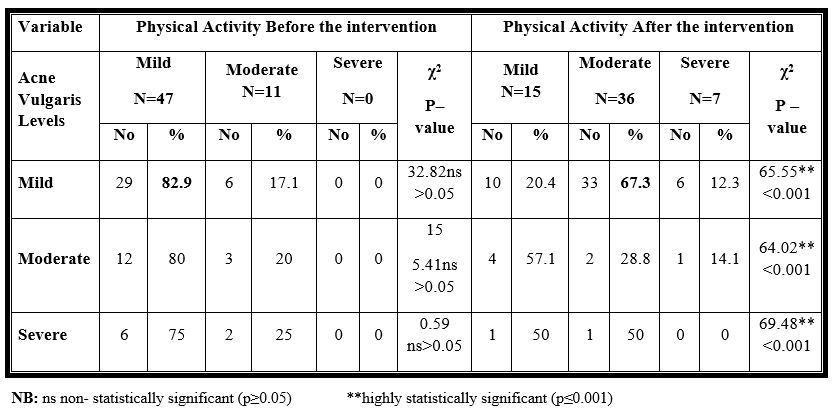
Table 3 presented relationship between acne vulgaris levels and physical activity level among the study group of infertile overweight and obese women. Severe acne was observed in 25% of the studied group women before intervention, compared to 50?ter intervention for moderate activity women. Statistically significant association between acne vulgaris levels and physical activity level among the study/control groups of infertile overweight and obese women was observed after program implementation (p lessthan 0.05).
Table 1: Total Acne Vulgaris Levels among the Studied Infertile Overweight and Obese Women with Polycystic Ovary Syndrome (n = 116).
| Variables | Before the intervention | χ2 P –value | After the intervention | χ2 P –value | |||||||
| Study n=58 | Control n=58 | Study n=58 | Control n=58 | ||||||||
| No. | % | No. | % | No. | % | No. | % | ||||
| Total Acne vulgaris Levels | 0.000ns > 0.05 | 3.752ns > 0.05 | |||||||||
| 35 | 60.4% | 38 | 66% | 49 | 84% | 38 | 66% | |||
| 15 | 25.8% | 16 | 26% | 7 | 12.5% | 16 | 26% | |||
| 8 | 13.8% | 4 | 8% | 2 | 3.5% | 4 | 8% | |||
NB: ns non- statistically significant (p≥0.05) * statistically significant (p≤0.05)
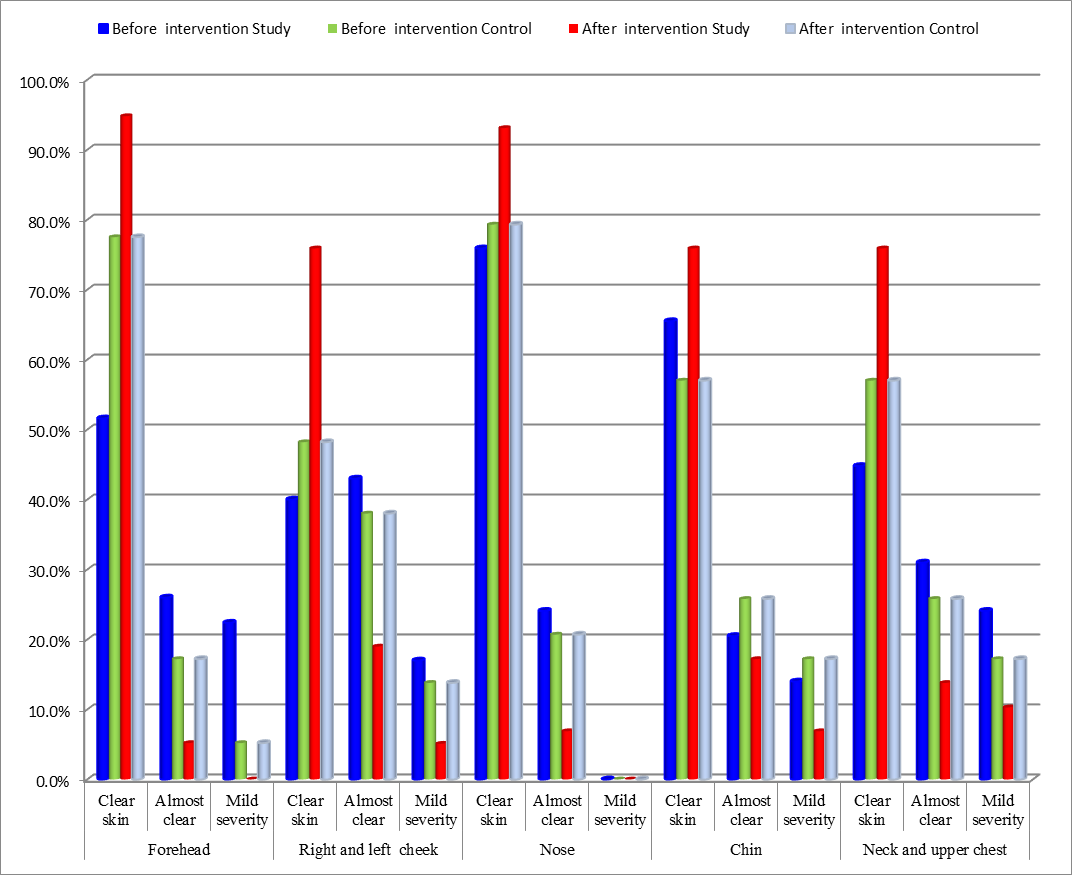
Figure 1: Face Acne Resistant to Treatment among the Studied Infertile Overweight and Obese Women with Polycystic Ovary Syndrome.
Table 2. Relationship between acne vulgaris levels and dietary habits among the Study group of Infertile Overweight and Obese Women with Polycystic Ovary Syndrome (n=58)
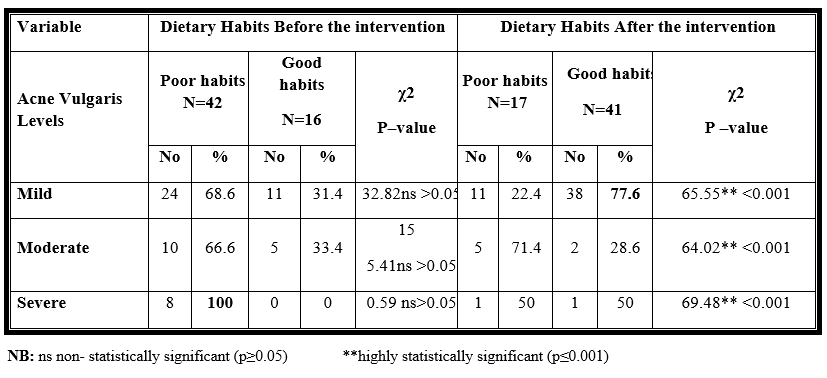
Table 3. Relationship between acne vulgaris levels and physical activity levels among the Study group of Infertile Overweight and Obese Women with Polycystic Ovary Syndrome (n=58).
Discussion
The current study findings revealed that there was an improvement in acne vulgaris levels after the intervention for the study group. About one-quarter of the study and control groups had moderate acne before the intervention, compared to most of them having mild acne after the intervention. Meanwhile, there were no statistically significant differences between study and control groups, neither before nor after the intervention.
This was in concordance with Niranjani et al. (2022), who studied "Effectiveness of cinnamon, exercise, and counseling on hyperandrogenic symptoms and level of anxiety among young girls with Polycystic Ovarian Syndrome." They revealed that in the global acne grading scale (acne), during pre-test through post-test 2, the non-interventional group showed no improvement in score, whereas group A and group B showed a 2 score decrease. This may be explained by the fact that the majority of girls had a wish to have a good body image and conceive in the future and, therefore, had a greater incentive to adhere to the change in their lifestyle.
On the contrary, these findings were incongruous with those of Smith et al. (2007), a crossover single-blind study that found no effect of chocolate on acne when compared with a placebo bar. However, a later examination of the ingredients in the placebo bar indicated that the fatty acid composition and sugar contents were virtually identical to those found in the chocolate. These differences might be related to the difference in populations’ characteristics in their study on overweight and obese women with PCOS.
The current study findings revealed that there is an improvement in lifestyle and daily habit levels among the studied hyper-androgenic infertile overweight and obese women. It reveals that most of the study and control groups had poor habits before the intervention, which improved to most of the study, and less than one-third of the control group had good habits after the intervention, respectively.
Furthermore, these findings were supported by George (2021), who concluded that most of the studied participants suffered from poor lifestyle dietary habits. This may contribute to the increased body weight increases long-term health risks and should be tackled with lifestyle interventions early in life.
Regarding total physical activity levels among the studied hyper-androgenic infertile overweight and obese women. The current study findings revealed that there is an improvement in total physical activity. Most of the study and control groups had mild physical activity (sedentary lifestyle) before the intervention, compared to two-thirds of the study group after the intervention having moderate physical activity. There is a statistically significant difference between the study and control groups after the intervention.
The study found that women's lifestyles modifications significantly improve acne vulgaris levels in infertile overweight and obese women with poly cystic ovarian syndrome following program sessions. Statistical analysis confirmed these changes. The success is attributed to educational lectures, and various teaching methods, including the use of Arabic booklets (Masters, 2013; Gamel et al., 2020; Hassan et al., 2025; Abd-Elfattah et al., 2026; Mohamed et al., 2026; Abd-ELghafar et al., 2026). These booklets, which should be concise, straightforward, and visually appealing, supported other educational efforts, aligning with Edgar Dale’s Pyramid of Learning, which suggests varied retention rates based on learning methods (Abd-Elfattah et al., 2025; Mohamed et al., 2025; Hassan, 2019; Zaki et al., 2025; Said et al., 2026; Hassan et al., 2026; Gooda et al., 2026)
The current study findings revealed that there is a statistically significant association between hyper-androgenic features (Hirsutism, acne, and alopecia) improvement and lifestyle habits in the study group of hyper-androgenic infertile overweight and obese women. But was not similar to the meta-analysis of 14 studies involving 617 adult women achieved by Benham et al. (20180), who studied “Role of exercise training in polycystic ovary syndrome" and found out the impact of exercise interventions on reproductive function remained unclear. This disagreement could be due to differences in the type and duration of interventions and populations studied.
Conclusion
Lifestyle modifications significantly improve acne vulgaris levels in infertile overweight and obese women with poly cystic ovarian syndrome.
Recommendation
Based on the results of the study, the following recommendations can be derived:
- Women’s infertility-related PCOs, our findings reinforce the need for collaboration gynecologists, nutritionists, and endocrinal specialists to look for curial roles in women undergoing infertility treatment.
- Nurses as counselors should provide counseling and guidance and have the responsibilities to teach among infertile overweight women lifestyle modification, as it offers a great challenge in today’s world.
References
- Abd-Elfattah N., Mohamed A., Hassan H. (2025). Effect of an Educational Program on Women's Intention regarding Oocyte Cryopreservation. Journal of Comprehensive Nursing Research and Care, 10(2):1-8.
View at Publisher | View at Google Scholar - Abd-Elfattah N., Mohamed A., Hassan H. (2025). Enhancing Females’ Knowledge regarding Oocyte Cryopreservation: Effect of an Educational Program. International Journal of Clinical Research and Reports, 4(6):2-8.
View at Publisher | View at Google Scholar - Abd-Elfattah N., Mohamed A., Hassan H. (2026). Study women's attitude regarding Oocyte Cryopreservation: The Impact of an Educational Initiative. American Journal of Public Health Research, 14(1):1-6.
View at Publisher | View at Google Scholar - Abd-ELghafar F., Hassan H., Ali E. (2026). Lifestyle modifications among infertile women with poly cystic ovary syndrome. Nursing & Care Open Access Journal, 12(1):1‒10.
View at Publisher | View at Google Scholar - Armanini, D., Boscaro, M., Bordin, L., & Sabbadin, C. (2022). Controversies in the Pathogenesis, Diagnosis and Treatment of PCOS: Focus on Insulin Resistance, Inflammation, and Hyperandrogenism. International Journal of Molecular Sciences, 23(8), 4110.
View at Publisher | View at Google Scholar - Basfar, A. S., Jawhari, A. M., Alotaibi, M. N., Alzahrani, E. S., Aseeri, I. A., & Atalla, A. A. (2023). Severity of acne, stress, and food habits of medical students at Taif University, Saudi Arabia. Journal of Family & Community Medicine, 30(2), 131.
View at Publisher | View at Google Scholar - Benham, J. L., Yamamoto, J. M., Friedenreich, C. M., Rabi, D. M., & Sigal, R. J. (2018). Role of exercise training in polycystic ovary syndrome: a systematic review and meta‐analysis. Clinical obesity, 8(4):275-284.
View at Publisher | View at Google Scholar - Carmina, E., Azziz, R., Bergfeld, W., Escobar-Morreale, H. F., Futterweit, W., Huddleston, H. & Olsen, E. (2019). Female pattern hair loss and androgen excess: a report from the multidisciplinary androgen excess and PCOS committee. The Journal of Clinical Endocrinology & Metabolism, 104(7):2875-2891.
View at Publisher | View at Google Scholar - Davariya, J., Patel, H., Patel, S., Saraiya, Y., Lalwani, T., & Despande, S. (2022). Landing Eyes on Unnoticed Disorder: A Polycystic Ovary Syndrome. International Journal of Current Science Research and Review, 5(12):4391-4401
View at Publisher | View at Google Scholar - Di Lorenzo, M., Cacciapuoti, N., Lonardo, M. S., Nasti, G., Gautiero, C., Belfiore, A., & Chiurazzi, M. (2023). Pathophysiology and Nutritional Approaches in Polycystic Ovary Syndrome (PCOS): A Comprehensive Review. Current Nutrition Reports, 1(2):1-18.
View at Publisher | View at Google Scholar - DiVall, S. A. (2023). Practical considerations for diagnosis and treatment of polycystic ovary syndrome in adolescence–distilling guidelines into clinical practice. Current Opinion in Pediatrics, 10-1097.
View at Publisher | View at Google Scholar - Emem E., Hassan H. (2017). Correlation between Quality Of Life and Dysmenorrhea among Nursing Schools Students. International Journal of Nursing Science, 7(6): 123-132.
View at Publisher | View at Google Scholar - Gamel W., Genedy A., Hassan H. (2020). Impact of Puerperal Sepsis Self-Care Nursing Guideline on Women's Knowledge and Practices. American Journal of Nursing Research, 8(2):132-141.
View at Publisher | View at Google Scholar - George, S., & Alex, A. (2021). Assessment of symptoms and diet intake in young adult with polycystic ovary syndrome (PCOS). Journal of Scientific Research, 65(4):1-10.
View at Publisher | View at Google Scholar - Gooda W., Hassan H., Nashed N. (2026). Women's General Knowledge Regarding Abortion: Impact of Counseling Based on PLISSIT Model, International Journal of Health & Medical Research, 5(2):90-101.
View at Publisher | View at Google Scholar - Hassan H & Farag D. (2019). The impact of polycystic ovary syndrome on women’s quality of life: Nursing guidelines for its management. Clinical Nursing Studies, 7(3):42-57.
View at Publisher | View at Google Scholar - Hassan H. (2016). Infertility profile, psychological ramifications and reproductive tract infection among infertile women, in northern Upper Egypt. Journal of Nursing Education and Practice, 6(4):92-108.
View at Publisher | View at Google Scholar - Hassan H. (2019). Integrative Nursing Science in Women’s Pre-conceptional Wellness. International Journal of Health and Biological Sciences; 2(1):17-18.
View at Publisher | View at Google Scholar - Hassan H. (2019). The Impact of Evidence-Based Nursing as The Foundation for Professional Maternity Nursing Practices. Open Access Journal of Reproductive System and Sexual Disorder, 2(2):195-197.
View at Publisher | View at Google Scholar - Hassan H. (2020). Evidence-Based Practice in Midwifery and Maternity Nursing for Excellent Quality of Care Outcomes. American Journal of Nursing Research, 8(6):606-607.
View at Publisher | View at Google Scholar - Hassan H. (2020). Quality of Life with Gestational Diabetes. American Research Journal of Public Health, 3(1):1-4.
View at Publisher | View at Google Scholar - Hassan H., Ahmed W., Ahmed Arafa A. (2019). Physical Activity and Menstrual Disorders Аmong School Girls in Southern Egypt. International Journal of Studies in Nursing, 4(3):54-59.
View at Publisher | View at Google Scholar - Hassan H., Gooda W., Nashed N. (2025). Correlation between Women’s Knowledge, Life Style and Impact Level of Social Networking Sites on Women After Abortion Using Counseling Based On PLISSIT Model. American Journal of Public Health Research, 13(5):199-207.
View at Publisher | View at Google Scholar - Hassan H., Gooda W., Nashed N. (2025). Post Abortion Women's Life Style: Impact of Counseling Based on PLISSIT Model. American Journal of Nursing Research, 13(4):89-96.
View at Publisher | View at Google Scholar - Hassan H., Hassan S., Baraka M. (2015). A Survey of Relationship between Duration of Infertility and Depression among Infertile Women in Beni Suef Governorate. International Journal of Science and Research, 4(10):1170-1177
View at Publisher | View at Google Scholar - Hassan H., Mohamed A. Elfattah N. (2025). Working Females’ Knowledge, Attitude, and Intention at Beni-Suef University regarding Oocyte Cryopreservation: Effect of an Educational Program. American Journal of Nursing Research, 13(4):97-102.
View at Publisher | View at Google Scholar - Hassan H., Mohamed H., Masoud H. (2025). Women’s Knowledge and Attitude regarding Teratogenic Medications and Practices toward Minor Discomfort: Impact of an Educational Program. International Journal of Family & Community Medicine, 9(6):146-152.
View at Publisher | View at Google Scholar - Hassan H., Nady F., Youns E., Zahran K. (2016). Call for Change Level of Knowledge, Awareness and Attitude to Follow A High Folate Diet Among Pregnant Women. IOSR Journal of Nursing and Health Science, 5(1):93-100.
View at Publisher | View at Google Scholar - Hassan H., Zahran K., Youness E., Nady F., (2015). Pregnant Women's Awareness, Intention and Compliance regarding Folic Acid Usage for Prevention of Neural Tube Defects According to Health Belief Model in Beni-Suef City. Pyrex Journal of Nursing and Midwifery, 1(3):13-26.
View at Publisher | View at Google Scholar - Hassan H., Nashed N., Gooda W. (2026). Impact of Counseling Based on PLISSIT Model on Women’s Knowledge Regarding Modern Educational Information about Abortion. Nursing & Care Open Access Journal, 12(1):15-22.
View at Publisher | View at Google Scholar - Hoeger, K. M., Dokras, A., & Piltonen, T. (2021). Update on PCOS: consequences, challenges, and guiding treatment. The Journal of Clinical Endocrinology & Metabolism, 106(3):e1071-e1083.
View at Publisher | View at Google Scholar - Masters K. (2013). Edgar Dale’s Pyramid of Learning in medical education: A literature review, Medical Teacher; 35(11):e1584-e1593.
View at Publisher | View at Google Scholar - Mohamed A., Hassan H., Mohamed N. (2026). Oocyte Cryopreservation Knowledge, Attitude, and Intention Effect of an Educational Program on Working Females at Beni-Suef University. Journal of Health Care Research, 3(1):199-221.
View at Publisher | View at Google Scholar - Mohamed H., Hassan H., Masoud H. (2025). Call for Enhancing Pregnant Women’s Knowledge Regarding Teratogenic Medications and Most Common Drugs That Cause Congenital Anomalies. NL Journal of Medical and Pharmaceutical Sciences, 1(3):27-35.
View at Publisher | View at Google Scholar - Mohamed S., Omran A., Ramadan E., Hassan H. (2024). Effect of Body Mass Index on Urinary Incontinence among Menopausal Women. Journal of Women Health Care and Issues, 7(3):1-6.
View at Publisher | View at Google Scholar - Mohamed W., Hassan H. (2020). Effect of Instructional Supportive Guideline for Improving Women's Awareness towards Endometriosis. American Journal of Nursing Research, 8(1):38-47.
View at Publisher | View at Google Scholar - Mohammed F., Shahin M., Youness E., Hassan H. (2018). Survivorship in Women Undergoing Gynecological and Breast Cancer Treatment in Upper Egypt: The Impact of Quality of Life Improvement Educational Program”. American Research Journal of Gynaecolog 2(1):1-28.
View at Publisher | View at Google Scholar - Moran, L. J., Tassone, E. C., Boyle, J., Brennan, L., Harrison, C. L., Hirschberg, A. L., & Teede, H. J. (2020). Evidence summaries and recommendations from the international evidence‐based guideline for the assessment and management of polycystic ovary syndrome: Lifestyle management. Obesity Reviews, 21(10), e13046.
View at Publisher | View at Google Scholar - Mostafa H., Yousef F., Hassan H. (2018). Health Related Quality of Life Educational Interventions: Effect on Chronic Hepatitis C Patients'. Saudi Journal of Nursing and Health Care, 1(2): 56-67.
View at Publisher | View at Google Scholar - Nady F., El-Sherbiny M., Youness E., Hassan H. (2018). Effectiveness of Quality of Life Planned Teaching Program on Women Undergoing Gynecologic Cancer Treatment. American Research Journal of Oncology, 1(1): 1-17.
View at Publisher | View at Google Scholar - Nady F., Said M., Youness E., Hassan H. (2017). Impact of Tailored Educational Program of Quality of Life Improvement on Women Undergoing Breast Cancer Treatment at El-Minia Region, Egypt. American Research Journal of Gynaecology, 1(1): 1-17.
View at Publisher | View at Google Scholar - Nady F., Said M., Youness E., Hassan H. (2018). Effect of Nursing Intervention Program on Quality of Life Improvement for Women Undergoing Gynecological and Breast Cancer Treatment. Assuit Scientific Nursing Journal, 6(15):62-77.
View at Publisher | View at Google Scholar - Nady F., Zahran K., Youness E., Hassan H. (2014). Women’s Knowledge and Perception about Benefits of Folic Acid Intake Before and During Pregnancy According to Health Belief Model in Beni-Suef City. Assuit Scientific Nursing Journal, 2(3): 1-13.
View at Publisher | View at Google Scholar - Nemchikova, O., & Frontoni, S. (2022). The role of dietitian in the multidisciplinary treatment of PCOS. Nutrition, Metabolism and Cardiovascular Diseases, 32(4), 827-832.
View at Publisher | View at Google Scholar - Niranjani, S., Bhuvaneswari, G., Hemamalini, M., & Vijayaraghavan, R. (2022). Effectiveness of cinnamon, exercise and counselling on hyper androgenic symptoms and level of anxiety among young girls with Polycystic Ovarian Syndrome. Neuro Quantology, 20(8): 9534.
View at Publisher | View at Google Scholar - Rana, D., Pajai, S., Acharya, N., & Mohammad, S. (2023) Stein-Leventhal Syndrome: Curable Cause of Infertility? BMC Med.,18(1):72.
View at Publisher | View at Google Scholar - Said D., Gooda W., Mohamed E., Hassan H. (2026). Effect of Continuous Care Model on Recurrence of Vulvovaginal Candidiasis Infection among Pregnant Women. Egyptian Journal of Health Care, 17 (1):121-144; 1009-1028.
View at Publisher | View at Google Scholar - Shahbag, D. (2017). Evaluation of severity in patients of acne vulgaris by global acne grading system in Bangladesh. Clin Pathol, 1, 000105-000110.
View at Publisher | View at Google Scholar - Smith, R. N., Mann, N. J., Braue, A., Mäkeläinen, H., & Varigos, G. A. (2007). A low-glycemic-load diet improves symptoms in acne vulgaris patients: a randomized controlled trial. The American journal of clinical nutrition, 86(1):107-115.
View at Publisher | View at Google Scholar - Zaki S., Nady S., Hassan H. (2025). Preventive Measures of Breast Cancer Female Workers’ Knowledge. Journal of Clinical and Laboratory Research, 8(2):1-6.
View at Publisher | View at Google Scholar