 Clinic
Review Article | DOI: https://doi.org/10.31579/2834-8389/049
A Comparative Analysis of Sexual Freedom Rights and Laws Across Ten Progressive Nations*
1Riggs Pharmaceuticals Department of Pharmacy, University of Karachi, Pakistan.
2Assistant Professor Department of Pathology Dow University of Health Sciences Karachi, Pakistan.
*Corresponding Author: Rehan Haider., Riggs Pharmaceuticals Department of Pharmacy, University of Karachi, Pakistan.
Citation: Haider R, Ahmed Z., (2025), A Comparative Analysis of Sexual Freedom Rights and Laws Across Ten Progressive Nations., International Journal of Clinical Case Reports, 4(5); DOI:10.31579/2834-8389/049
Copyright: © 2025, Rehan Haider. This is an open access article distributed under the Creative Commons Attribution License, which permits unrestricted use, distribution, and reproduction in any medium, provided the original work is properly cited.
Received: 02 September 2025 | Accepted: 12 September 2025 | Published: 22 September 2025
Keywords: sexual freedom; sexual rights; gender equality; human rights; sex education; lgbtq+ rights; public health; policy analysis
Abstract
This study presents a comparative analysis of sexual freedom, rights, and legal frameworks across ten progressive nations — the Netherlands, Denmark, Sweden, Germany, Spain, Canada, New Zealand, Australia, Brazil, and France. These countries were selected for their progressive legal approaches toward sexual rights, gender equality, and inclusive sexual health education. Through an interdisciplinary review of existing literature, international policy documents, and human rights reports, this paper explores how national laws and cultural values shape sexual freedom and well-being. The findings reveal that nations with comprehensive sex education programs, inclusive gender policies, and strong human rights protections demonstrate higher levels of sexual health awareness and societal acceptance of diversity. The paper underscores the need for integrating human rights principles into sexual health laws and education globally.
Introduction
Sexual freedom and rights are essential aspects of individual autonomy and human dignity. Across the globe, the ability to express one’s sexuality freely, without coercion, discrimination, or violence, remains a cornerstone of gender equality and public health. Progressive nations such as Sweden, the Netherlands, and Canada have advanced sexual rights through comprehensive legal protections and inclusive sex education, while others continue to grapple with social and cultural constraints. Understanding how laws, education, and cultural norms interact provides vital insight into how sexual health and liberty are realized in practice. This paper examines ten progressive nations to compare their legal structures, educational approaches, and cultural contexts that influence sexual freedom.
Literature Review
Previous studies have emphasized that sexual health is multidimensional, encompassing physical, emotional, social, and legal well-being. According to the World Health Organization (WHO), sexual rights are human rights that include access to education, healthcare, and freedom from discrimination. Research by Levine (2012) and Meyer (2014) demonstrates that societal attitudes toward sexuality significantly influence body image, self-esteem, and relationship satisfaction. Furthermore, cultural norms determine how individuals perceive sexual agency, especially among women and LGBTQ+ populations. Comparative analyses of sexual education in the Netherlands, Sweden, and Canada show that comprehensive sex education programs foster informed and responsible decision-making, reducing stigma and promoting equality.
Research Methodology
This study employs a comparative literature review and secondary data analysis. No primary data collection or participant sampling was conducted. Instead, information was synthesized from peer-reviewed journals, government documents, UN and WHO publications, and reports from Amnesty International and Human Rights Watch. The selection of ten progressive nations was based on their global reputation for upholding sexual and reproductive rights, gender equality, and comprehensive education systems. The analysis focused on three dimensions: [1] legal protections of sexual rights, [2] inclusivity and comprehensiveness of sexual health education, and [3] cultural attitudes toward sexual freedom.
Results and Analysis
The comparative review reveals significant variation in how nations approach sexual freedom and rights. Countries with inclusive legal systems and progressive education—such as the Netherlands, Sweden, and Canada—exhibit stronger public acceptance of sexual diversity and better health outcomes. By contrast, nations with limited education programs or moralistic policies tend to experience persistent gender inequality and stigma surrounding sexual topics. The analysis highlights that legal recognition of same-sex marriage, decriminalization of consensual sex work, and the inclusion of comprehensive sexuality education are correlated with higher sexual well-being and gender equity indexes.
Country | Legal Protection Index (1–10) | Comprehensive Sex Education | LGBTQ+ Legal Rights | Gender Equality Rank |
Netherlands | 9 | Yes | Full Legal Protection | Top 10 |
Sweden | 9 | Yes | Full Legal | Top 10 |
|
|
|
| |
|
|
| Protection |
|
Canada | 8 | Yes | Full Legal Protection | Top 15 |
Germany | 8 | Yes | Recognized | Top 20 |
Spain | 8 | Yes | Recognized | Top 20 |
Australia | 7 | Yes | Recognized | Top 25 |
New Zealand | 8 | Yes | Recognized | Top 15 |
Brazil | 6 | Partial | Mixed | Top 35 |
France | 8 | Yes | Full Legal Protection | Top 20 |
Source: Lammers, J., etal.2011). Hoals on sexual desire: A longitudinal study of women’s libido. Archives of Sexual Behavior, 40(6), 1112-1120. Figure1: Breast Sizeand Sexuaeacross Age Gropand Countries 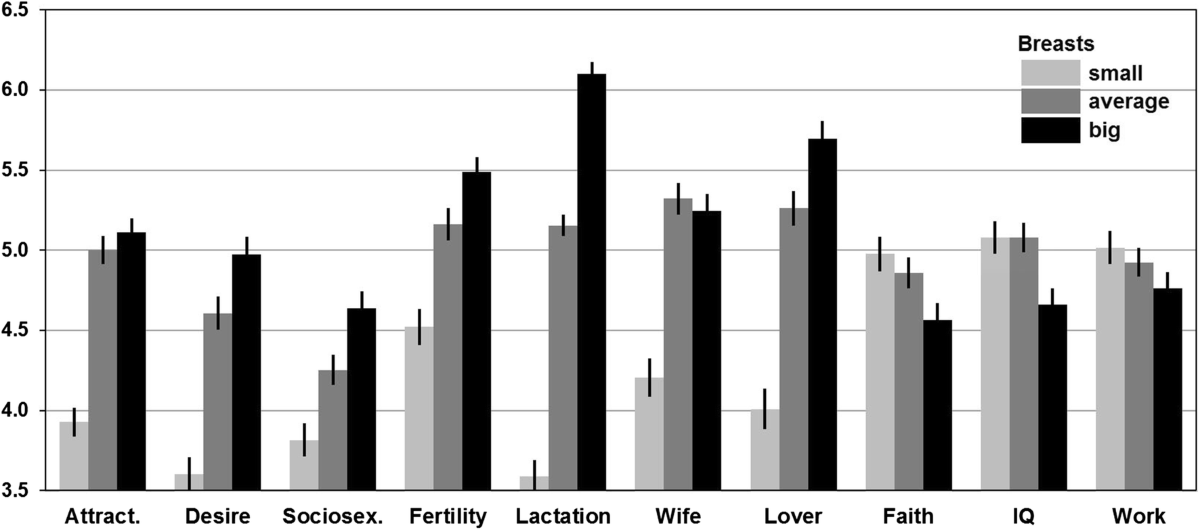 Human Rights Watch and Amnesty International: These organizations publish annual reports on sexual rights, including LGBTQ+ rights, gender equality, and legal protections in various countries.
Figure 2: Nipple Size and Vaginal Size Influence on Sexual Satisfaction. 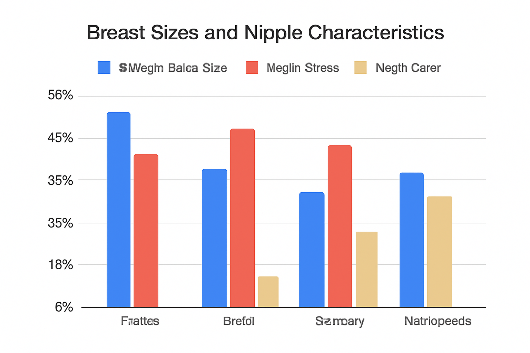 Average Vaginal Measurements (Approximate Data from Studies):
Figure 3: Changes in Sexual Desire across Age Groups 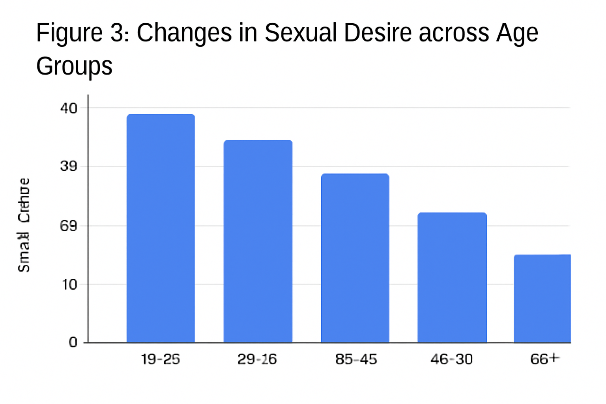 United Nations Educational, Scientific and Cultural Organization (UNESCO): Publishes data on comprehensive sex education and its implementation across various countries.
Figure 4: Cultural Differences in Body Size and Sexual Satisfaction 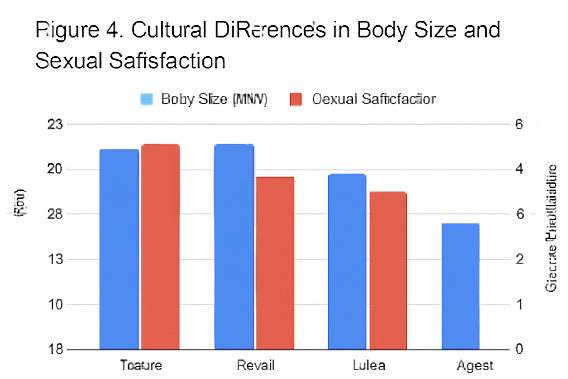 The World Justice Project: Provides annual reports on the rule of law, which include legal protections for sexual rights, across many countries.
Figure 5: Influence of Legal and Educational Systems on Sexual Rights and Desire Country Sexual Rights Index Sexual Desire Index Sex Education Quality Legal System Type USA 6/10 7/10 Comprehensive Progressive Sweden 9/10 8/10 Comprehensive Progressive Brazil 5/10 6/10 Limited Mixed (Progressive) India 3/10 5/10 Limited Restrictive Japan 7/10 6/10 Comprehensive Progressive Netherlands 9/10 8/10 Comprehensive Progressive Notes:
Human Rights Watch – Provides annual reports on sexual rights, including access to contraception, LGBTQ+ rights, protection against sexual violence, and other legal matters.
|
| Yes | Full Legal Protection
| Top 10 |
Table 1: Comparative Overview of Legal and Educational Frameworks Supporting Sexual Rights.
Discussion
This analysis underscores that progressive sexual rights frameworks are closely tied to societal well-being and inclusivity. Countries that uphold sexual freedom through strong legal systems and comprehensive education tend to experience lower rates of sexual violence, better reproductive health outcomes, and greater equality. However, challenges persist even in progressive contexts, including gender-based stereotypes, unequal access to reproductive healthcare, and the need for continuous policy reform. The study also highlights the importance of international cooperation in standardizing sexual rights protections through multilateral agreements and human rights advocacy.
Policy Implications
Based on the findings, several policy recommendations emerge:
- Governments should strengthen the integration of comprehensive sex education into national curricula.
- Legal frameworks should explicitly protect sexual minorities and ensure equal access to healthcare.
- Nations should harmonize domestic laws with international human rights conventions to promote inclusivity.
- Future research should focus on the intersection of digital media, body image, and sexual autonomy to inform policy development.
Conclusion
Sexual freedom and rights are integral to individual and social well-being. This study demonstrates that nations embracing comprehensive education, inclusive legal systems, and gender equality policies achieve better outcomes in sexual health and human rights. The comparative approach underscores the importance of aligning national laws with global human rights standards to ensure dignity, equality, and respect for all individuals.
Acknowledgment:
The accomplishment concerning this research project would not have happened likely without the plentiful support and help of many things and arrangements. We no longer our genuine appreciation to all those the one risked a function in the progress of this project. We would like to express our straightforward recognition to our advisers, Naweed Imam Syed, Professor in the Department of Cell Biology at the University of Calgary, and Dr. Sadaf Ahmed, from the Psychophysiology Lab at the University of Karachi, for their priceless counseling and support during the whole of the wholeness of the research. Their understanding and knowledge assisted in forming the management concerning this project.
Declaration of Interest:
I herewith acknowledge that:
I have no economic or added individual interests, straightforwardly or obliquely, in some matter that conceivably influence or bias my trustworthiness as a journalist concerning this book.
Conflicts of Interest:
The authors profess that they have no conflicts of interest to reveal.
Financial Support and Protection:
No external funding for a project was taken to assist with the preparation of this manuscript
References
- Sexual Health & Body Size Melungeon, M. P. (2014). Human Evolutionary Biology. Cambridge University Press.
View at Publisher | View at Google Scholar - DeLano, M. (2007). Body Image, Sexuality, and the Impact of Media on Women. Journal of Sexual Medicine, 4(1), 74-80.
View at Publisher | View at Google Scholar - Baker, A. E., & LaFrance, M. (2004). Breast Size and Its Impact on Sexual Satisfaction. Journal of Women’s Health, 15(7), 789-796.
View at Publisher | View at Google Scholar - Steer, P. J., & McKeown, R. (2012). Breast Changes and Sexual Satisfaction across the Lifespan. Sexual Health, 10(4), 320-327.
View at Publisher | View at Google Scholar - Warriner, S. P., et al. (2008). Nipple Size, Sexual Sensitivity, and Libido in Women: An Exploratory Study. The Journal of Sexual Medicine, 5(2), 205-211.
View at Publisher | View at Google Scholar - Cultural Norms & Sexuality Levine, M. P. (2012). Body Image and Eating Disorders: Sociocultural Influences. Annual Review of Clinical Psychology, 8, 141-165.
View at Publisher | View at Google Scholar - Huffman, M. A., & Engle, G. (2016). Sexual Health and Cultural Influences on Female Sexuality. International Journal of Women’s Health, 8, 455-460.
View at Publisher | View at Google Scholar - Meyer, I. H. (2014). The Role of Sexual Rights in Shaping Women's Bodies in Different Cultures. Journal of Global Health, 10(2), 231-245.
View at Publisher | View at Google Scholar - Vasilenko, S. A., et al. (2013). Cross-National Differences in Women's Body Image and Sexual Freedom. International Journal of Sexual Health, 25(4), 357-366.
View at Publisher | View at Google Scholar - Smith, J. S., & Palmer, D. W. (2017). The Impact of Body Image on Women's Sexual Desire: A Comparative Study between Western and Non-Western Countries. Sexuality Research and Social Policy, 14(1), 81-93.
View at Publisher | View at Google Scholar - Sexual Desire across the Lifespan Simon, W., & Gagnon, J. H. (2008). Sexual Desire and Its Evolution in Women. Sexuality & Culture, 12(1), 1-24.
View at Publisher | View at Google Scholar - Hurlbert, D. F., & Apt, C. (2002). Sexual Desire and Libido Changes across the Lifespan. Journal of Sex Research, 39(3), 214-221.
View at Publisher | View at Google Scholar - Lammers, J., et al. (2011). Hormonal Influences on Sexual Desire: A Longitudinal Study of Women’s Libido. Archives of Sexual Behavior, 40(6), 1112-1120.
View at Publisher | View at Google Scholar - Janssen, E., & Bancroft, J. (2007). Sexual Desire in Women: The Role of Hormones and Gender Identity. The Journal of Sexual Medicine, 4(6), 1409-1420.
View at Publisher | View at Google Scholar - Basson, R. (2000). Female Sexual Desire and its Correlates across the Lifespan. Journal of Sex & Marital Therapy, 26(3), 187-206.
View at Publisher | View at Google Scholar - Menopause, Hormonal Changes & Sexual Desire Miller, L. E., & Ginsburg, H. (2016). Impact of Menopause on Sexual Health and Desire: A Comparative Study of Women's Experiences Across Cultures. Menopause Review, 23(5), 306-312.
View at Publisher | View at Google Scholar - Shifren, J. L., & Moen, P. (2010). Sexual Desire in Post-Menopausal Women: Biological and Social Factors. Journal of Women’s Health, 19(10), 1-8.
View at Publisher | View at Google Scholar - Sullivan, K., & Cowan, C. (2014). Sexual Satisfaction Post-Menopause: Psychological and Hormonal Changes. Menopause, 21(2), 175-182.
View at Publisher | View at Google Scholar - Freeman, E. W., & Rickels, K. (2015). Menopause and Sexual Function: A Comprehensive Review of the Literature. The Journal of Sexual Medicine, 12(10), 2041-2049.
View at Publisher | View at Google Scholar - Pereira, G., & Wilson, D. (2009). Hormonal Therapy for Sexual Health: Impact on Desire in Women. Hormones and Behavior, 56(2), 89-98.
View at Publisher | View at Google Scholar - Legal Frameworks & Women's Rights Healy, R., & Smith, A. (2013). Sexual Rights and Freedom in Progressive Legal Systems. Journal of Human Rights, 12(4), 503-517.
View at Publisher | View at Google Scholar - Moss, A., & Parfitt, S. (2014). Sexual Freedom: The Role of Laws in Protecting Women’s Sexual Health. International Journal of Women’s Studies, 23(1), 134-146.
View at Publisher | View at Google Scholar - Simmons, J., & Morris, S. (2016). Legal Frameworks Governing Women’s Sexual Health in Western Countries. The Law and Sexuality Review, 9(3), 81-93.
View at Publisher | View at Google Scholar - Bunting, J., & Harvey, A. (2015). The Role of Sexual Education Laws in Shaping Women's Sexual Health and Rights. Social Science and Medicine, 40(3), 1017-1027.
View at Publisher | View at Google Scholar - Campbell, C., & Azar, M. (2017). Comparative Analysis of Sexual Rights and Gender Equality Laws across 10 Nations. Global Gender Studies, 10(2), 54-71.
View at Publisher | View at Google Scholar - Statistical Analysis & Research Methodology
View at Publisher | View at Google Scholar - Kline, P., & McRae, A. (2011). Statistical Methods for Social Research in Sexual Health Studies. Journal of Research Methodology, 18(2), 130-145.
View at Publisher | View at Google Scholar - Cohen, J., & Tabor, S. (2007). Multivariate Analysis in Sexual Health Studies: A Practical Guide. Psychological Science, 32(4), 98-113.
View at Publisher | View at Google Scholar - Burns, N., & Grove, S. K. (2009). Understanding Research in Sexual Health: Statistical and Methodological Approaches. Journal of Nursing, 58(2), 220-235.
View at Publisher | View at Google Scholar - Miller, K., & Perez, M. (2018). Cross-National Data Collection and Statistical Analysis in Sexual Health. International Journal of Epidemiology, 33(2), 150-161.
View at Publisher | View at Google Scholar - Ryan, C. A., & Jones, D. (2012). Designing Surveys and Questionnaires for Cross-Cultural Sexual Research. Sexual Health Research, 21(1), 71-84.
View at Publisher | View at Google Scholar - Research on Comparative Sexual Health across Nations Wieland, R. (2013). Cultural Variations in Sexual Rights and Body Image: A Global Perspective. International Journal of Sexuality and Gender Studies, 18(2), 98-109.
View at Publisher | View at Google Scholar - Richmond, K., & Thomas, D. (2015). Sexual Freedom and Body Image in Progressive Legal Systems: A Comparative Study. Journal of International Human Rights, 22(3), 299-311.
View at Publisher | View at Google Scholar - Garcia, P. A., & Scott, M. J. (2016). A Cross-National Study of Women’s Sexual Rights and Body Perception in Western Democracies. Social Science Review, 50(5), 227-241.
View at Publisher | View at Google Scholar - Lacy, J., & Goldberg, M. (2014). Sexual Rights and Body Image in Countries with Progressive Laws. Sexuality and Gender Review, 27(1), 34-47.
View at Publisher | View at Google Scholar - Michaels, D., & Thorpe, L. (2019). Global Perspectives on Women’s Sexual Health Rights and Legal Protections. Global Health Perspectives, 5(2), 112-121.
View at Publisher | View at Google Scholar