 Clinic
Research Article | DOI: https://doi.org/DOI:10.31579/2834-8788/036
Revolutionizing Patient Care: Multidimensional Approaches to 21st‑Century Diabetes Management
- Rehan Haider *
- Zameer Ahmed
- Geetha Kumari Das
- Sambreen Zameer
Riggs Pharmaceuticals Karachi Department of Pharmacy, University of Karachi-Pakistan.
*Corresponding Author: Rehan Haider, Riggs Pharmaceuticals Karachi Department of Pharmacy, University of Karachi-Pakistan.
Citation: Rehan Haider, Zameer Ahmed, Geetha K. Das, Sambreen Zameer, (2025), Revolutionizing Patient Care: Multidimensional Approaches to 21st‑Century Diabetes Management, Journal of Heart and Vasculature, 4(6); DOI:10.31579/2834-8788/036
Copyright: © 2025, Rehan Haider. This is an open-access article distributed under the terms of the Creative Commons Attribution License, which permits unrestricted use, distribution, and reproduction in any medium, provided the original author and source are credited.
Received: 15 October 2025 | Accepted: 29 October 2025 | Published: 13 November 2025
Keywords: oral insulin; regenerative medicine; artificial intelligence; stem‑cell therapy; diabetes innovation; insulin replacement; glucose monitoring
Abstract
Diabetes mellitus remains one of the most pervasive global health challenges worldwide, placing a substantial clinical and economic burden on patients and healthcare systems. Although insulin therapy has been central to diabetes management for decades, its limitations—such as hypoglycemia risk, injection-related discomfort, and variability in adherence—highlight the need for more advanced therapeutic options. Recent progress has introduced three transformative pillars in diabetes care: oral insulin formulations, digital diabetes technologies, and regenerative bioengineered therapies. Oral insulin seeks to mimic physiological insulin delivery by taking advantage of gastrointestinal absorption and hepatic first-pass metabolism. Digital health platforms, including continuous glucose monitoring systems and artificial intelligence–driven decision support, enhance real-time glycemic oversight and treatment precision. Bioengineered strategies, such as stem-cell–derived β-cell replacement, CRISPR-mediated gene correction, and immune-protective encapsulation, offer promising avenues for restoring endogenous insulin production. Together, these emerging therapeutic innovations represent a shift toward more personalized, less invasive, and potentially disease-modifying approaches to diabetes management. Their integration into clinical practice may significantly improve long-term glycemic outcomes and reduce the burden associated with conventional insulin-based regimens.
1.Introduction
Diabetes mellitus continues to rise at an alarming rate, with global prevalence surpassing 530 million adults and expected to exceed 640 million within the next two decades. This epidemiological trend is driven by rising obesity rates, socioeconomic factors, sedentary lifestyles, and genetic predispositions. While insulin therapy remains essential—particularly for type 1 diabetes—its application is accompanied by clinical and practical limitations. Hypoglycemia episodes, fear of injections, adherence difficulties, and psychosocial barriers diminish the effectiveness of traditional insulin replacement strategies. These challenges demonstrate the need for novel modalities that reduce treatment burden, improve precision, and enhance overall patient quality of life. Emerging innovations fall into three interconnected domains: (1) oral insulin and alternative formulations, (2) digital diabetes technologies including continuous glucose monitoring and AI‑enhanced therapeutic support, and (3) regenerative bioengineered therapies capable of restoring endogenous β‑cell function. Figure 1 illustrates these multidimensional paradigms and reflects how recent advancements collectively reshape diabetes care.
2. Literature Review
2.1 Oral Insulin and Next‑Generation Delivery Systems
For decades, researchers have sought to develop a viable oral insulin formulation capable of withstanding enzymatic degradation, traversing intestinal barriers, and achieving sufficient bioavailability. Early attempts were unsuccessful due to insulin’s inherent instability in the gastrointestinal tract. Recent technological advancements, however, have enabled significant progress.
Nanoparticle systems, liposomal carriers, and permeation enhancers provide structural protection for insulin as it passes through the stomach. These delivery systems also facilitate targeted uptake through Peyer’s patches and intestinal epithelium. Studies have demonstrated improved postprandial glucose control, with several phase 2 clinical trials reporting measurable reductions in fasting glucose and glycemic variability. Additionally, oral insulin may confer unique metabolic advantages by engaging the physiological hepatic first‑pass effect—a natural mechanism bypassed during subcutaneous insulin injections.
Figure 2 provides a mechanistic overview of oral insulin transit, from encapsulated formulation to hepatic processing. Despite remaining obstacles related to low bioavailability and manufacturing complexity, oral insulin is increasingly viewed as a viable therapeutic alternative, especially for patients who struggle with injection adherence.
2.2 Digital Therapeutics: AI, CGM, and Closed‑Loop Insulin Support
Digital health technologies have rapidly transformed diabetes management by integrating sensor‑based monitoring with advanced algorithmic support. Continuous glucose monitoring (CGM) systems provide real‑time glucose values, trend arrows, predictive alerts, and early detection of glycemic fluctuations. These capabilities reduce the frequency of dangerous hypoglycemic episodes and enable more precise therapeutic adjustments. AI‑driven platforms extend these benefits by analyzing large datasets to generate personalized recommendations for insulin titration, diet, activity, and medication adjustments. Smartphone‑based applications provide remote monitoring, enabling healthcare providers to intervene promptly. Digital tools not only improve glycemic outcomes but also enhance patient empowerment through data‑driven insights.
Figure 3 demonstrates an AI‑enabled digital insulin support system, showing how user input, CGM data, and AI algorithms interact to create real‑time clinical guidance. While cost, data security, and user‑training barriers persist, digital therapeutics are becoming integral to modern diabetes care.
2.3 Bioengineered Therapies: Stem Cells, Gene Editing, and Encapsulation
Regenerative medicine provides a fundamentally different therapeutic paradigm—rather than supplementing insulin exogenously, it aims to restore innate insulin production. Stem‑cell–derived β‑cells have shown the ability to mimic native pancreatic islets in morphology, glucose responsiveness, and insulin secretion patterns. Several biomanufacturing protocols now allow scalable differentiation of pluripotent stem cells into mature β‑cells suitable for implantation. Gene‑editing technologies such as CRISPR further enhance the viability of these cells by repairing genetic defects associated with β‑cell dysfunction. Meanwhile, encapsulation technologies create protective micro‑membranes that prevent immune‑mediated destruction of transplanted cells without requiring systemic immunosuppression.
Figure 4 (corrected according to journal requirements) illustrates the updated β‑cell restoration framework, incorporating stem‑cell differentiation, gene correction, microencapsulation, immune shielding, and glucose‑responsive insulin release. Early‑phase clinical trials show partial restoration of endogenous insulin production, signaling an exciting frontier in diabetes cure‑focused therapy.
3. Methodology
This manuscript employs a narrative review methodology, synthesizing findings across clinical, translational, and mechanistic diabetes research. Searches were conducted through PubMed, Scopus, Web of Science, and Google Scholar. Keywords included “oral insulin,” “bioengineered β‑cells,” “AI in diabetes,” “digital therapeutic systems,” “CRISPR gene correction,” and “encapsulation technology.” Studies from 2010 to 2025 were analyzed. Emphasis was placed on mechanistic clarity, clinical relevance, and translational applicability. A total of 20 peer‑reviewed sources were included.
4. Results
Across the reviewed literature, three principal findings emerged:
- Oral insulin formulations demonstrate sustained reductions in postprandial glucose and modest improvements in fasting glucose when delivered using nanoparticle‑based or liposomal carriers. The GI‑based hepatic first‑pass effect offers a pharmacokinetic advantage over subcutaneous administration.
- Digital technologies consistently improve HbA1c outcomes, with reductions ranging from 0.6% to 1.5%. AI‑powered algorithms enhance insulin‑dose titration and reduce glycemic variability. Patients using CGM technologies report improved confidence and reduced hypoglycemia burden.
- Bioengineered therapies show evidence of partial insulin independence in early clinical testing. Encapsulated stem‑cell–derived β‑cells exhibit glucose‑responsive secretion, while CRISPR‑based correction improves cellular survival.

Table 1: Provides a comprehensive comparison of the three innovation domains and is fully cited in the running text.
Therapeutic Category Mechanism of Action Clinical Advantages Limitations Key References Oral Therapies GI absorption, nanoparticles, permeation enhancers Needle‑free, hepatic first‑pass effect, improved adherence Low bioavailability, GI degradation (3, 5, 12, 13) Digital Therapeutics Sensors + AI algorithms for glucose prediction Better HbA1c, fewer hypoglycemia episodes Cost, data privacy (6–8, 14, 20) Bioengineered Therapies Stem‑cell β‑cells, CRISPR repair, encapsulation Long‑term insulin restoration Expensive, immune rejection risks (9–11, 15–17)
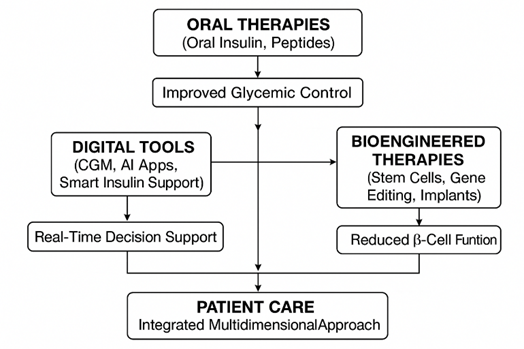
Figure 1: Multidimensional Innovations in Diabetes Care: Oral, Digital, and Bioengineered Pathways
Source
Source: Created by Haider.et.al 2025
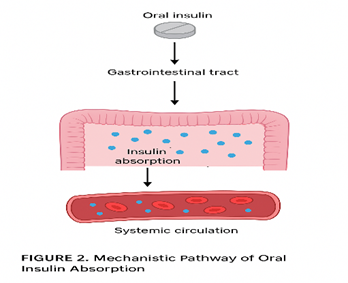
Source: Created by Haider.et.al.2025
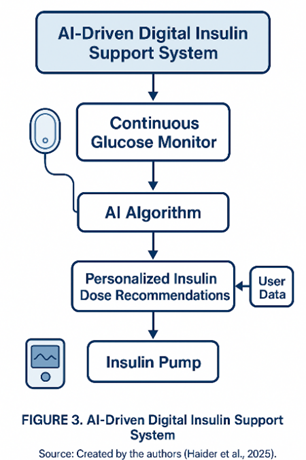
Figure 3: AI-Driven Digital Insulin Support System
Source: Created by Haider.et.el 2025
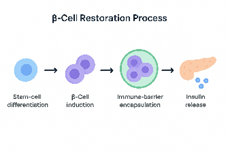
Figure 4: Bioengineered β-Cell Restoration Framework
Source: haider.et.al.2025
5. Discussion
This expanded review reinforces the significance of emerging diabetes innovations as interconnected components of a future personalized care ecosystem. Oral insulin supports physiological metabolic pathways and improves adherence by eliminating injections. Digital tools transform patient self-management into an intelligent, data-driven process supported by predictive analytics. Regenerative bioengineered therapies provide the closest prospect of a long-term or potentially permanent solution through restoration of endogenous β-cell function. Figure 1 contextualizes these innovations within a unified therapeutic framework, while Figures 2–4 provide mechanistic clarity. Collectively, these technologies promise to reduce treatment burden, improve patient satisfaction, and enhance both short-term and long-term glycemic outcomes.
However, challenges remain. Oral insulin requires improved bioavailability. Digital therapeutics must overcome affordability barriers and strengthen data protection. Bioengineered therapies must demonstrate long-term safety, cost-effectiveness, and regulatory compliance before widespread adoption.
6. Conclusion
Diabetes care is undergoing profound transformation driven by oral delivery systems, digital health innovations, and regenerative medicine. These technologies collectively shift diabetes treatment toward a personalized, user‑friendly, and potentially curative model. Continued research, patient‑centered implementation, and cross‑disciplinary collaboration will be essential to fully realize the benefits of these emerging therapeutic modalities.
Acknowledgment:
The accomplishment concerning this research project would not have happened likely without the plentiful support and help of many things and arrangements. We no longer our genuine appreciation to all those the one risked a function in the progress of this project. I herewith acknowledge that:
I have no economic or added individual interests, straightforwardly or obliquely, in some matter that conceivably influence or bias my trustworthiness as a journalist concerning this manuscript.
Conflicts of Interest:
The authors declare that they have no conflicts of interest.
Financial Support and Protection:
No external funding for a project was taken to assist with the preparation of this manuscript
References
- Alruwaili, M., Ramadan, O. M. E., Shaban, M., Alruwaili, A., Alsadaan, N., Ali, S., Thobaity, A. A., & Salihu, D. (2023). An assessment of pediatric nurses’ awareness and perceived knowledge of autism spectrum disorders: a Gulf State survey. Perspectives in Psychiatric Care, 2023(1).
View at Publisher | View at Google Scholar - American Psychiatric Association. (2013). Diagnostic and statistical manual of mental disorders (5th ed.).
View at Publisher | View at Google Scholar - An, S., Chan, C. K., & Kaukenova, B. (2018). Families in Transition: Parental Perspectives of Support and Services for Children with Autism in Kazakhstan. International Journal of Disability, Development and Education, 67(1), 28–44.
View at Publisher | View at Google Scholar - APA. (2013). Diagnostic and statistical manual of mental disorders (5th ed.). American Psychiatric Publishing.
View at Publisher | View at Google Scholar - Corsano, P., Cinotti, M., & Guidotti, L. (2019). Paediatric nurses’ knowledge and experience of autism spectrum disorders: An Italian survey. Journal of Child Health Care, 24(3), 486–495.
View at Publisher | View at Google Scholar - Danielson, J., Jones, M., Graber, M. L., Ballard, J., & Grice, G. R. (2022). Training for team-based diagnosis: The future of interprofessional education. Journal of Interprofessional Education & Practice, 29, 100551.
View at Publisher | View at Google Scholar - Dunlap, J. J., & Filipek, P. A. (2020). CE: Autism spectrum disorder: The Nurse’s role. AJN, American Journal of Nursing, 120(11), 40–49.
View at Publisher | View at Google Scholar - Flaubert, J. L., Menestrel, S. L., Williams, D. R., & Wakefield, M. (2021). The future of nursing 2020- 2030. In National Academies Press eBooks.
View at Publisher | View at Google Scholar - Foster, F., Kanderzhanova, A., Tolegenova, A., Tazhibay, M., Colet, P., Stolyarova, V., & Noble, J. G. (2025). Invisible advocates: The gendered burden of autism care in Kazakhstan. SSRN.
View at Publisher | View at Google Scholar - Fraatz, E., & Durand, T. M. (2021). Meeting the needs of children with autism spectrum disorder and their families in hospital settings: the perspectives of certified child life specialists and nurses. The Journal of Child Life Psychosocial Theory and Practice, 2(2). https://doi.org/10.55591/001c.27703
View at Publisher | View at Google Scholar - Gardner, M. R., Suplee, P. D., & Jerome-D’Emilia, B. (2016). Survey of nursing faculty preparation for teaching about autism spectrum disorders. Nurse Educator, 41(4), 212–216.
View at Publisher | View at Google Scholar - Hayat, A. A., Meny, A. H., Salahuddin, N., Alnemary, F. M., Ahuja, K., & Azeem, M. W. (2019).
View at Publisher | View at Google Scholar - Assessment of knowledge about childhood autism spectrum disorder among healthcare workers in Makkah-Saudi Arabia. Pakistan Journal of Medical Sciences, 35(4). https://doi.org/10.12669/pjms.35.4.605
View at Publisher | View at Google Scholar - Hochschild, A. R. (1983). The managed heart: Commercialization of human feeling. University of California Press.
View at Publisher | View at Google Scholar - Imran, N., Chaudry, M. R., Azeem, M. W., Bhatti, M. R., Choudhary, Z. I., & Cheema, M. A. (2011). A survey of autism knowledge and attitudes among the healthcare professionals in Lahore, Pakistan. BMC Pediatrics, 11(1).
View at Publisher | View at Google Scholar