 Clinic
Case Report | DOI: https://doi.org/10.31579/2835-835X/120
Mobile Teledermatology Update 2 Of Different Clinical Cases Presentation
Consultant of dermatology and aesthetic medicine in Doctor AlMalmi Clinic Sanaa Yemen.
*Corresponding Author: Mohammed AlMalmi., Consultant of dermatology and aesthetic medicine in Doctor AlMalmi Clinic Sanaa Yemen.
Citation: Mohammed AlMalmi, (2025), Mobile Teledermatology Update 2 Of Different Clinical Cases Presentation, Clinical Trials and Case Studies, 4(6); DOI:10.31579/2835-835X/120
Copyright: © 2025, Mohammed AlMalmi. This is an open-access artic le distributed under the terms of the Creative Commons Attribution License, which permits unrestricted use, distribution, and reproduction in any medium, provided the original author and source are credited.
Received: 05 December 2025 | Accepted: 15 December 2025 | Published: 29 December 2025
Keywords: mobile; teledermatology; yemen; clinical cases; social media
Abstract
Background
Teledermatology involves a qualified professional clinical photographer taking a series of digital photographs of a patient's skin lesion. The photographs are then sent to a dermatologist for remote assessment to see if the patient needs to come into hospital for further treatment.
Objective
To study the pattern of cutaneous clinical cases sent through social media
Patients and Methods males and females’ infants and children's and adults’ patients presented and sent photos through Whatsapp with different clinical skin lesions
Results
The clinical data and the information about the patients showed they had different skin diseases.
Conclusion
Now a days social media solved many things in internet and the far is near. All Those neam from ALLAH. Alhamdolellah Spotting diagnosis and the treatment and follow up performed free of charge.
Introduction
Teledermatology is a subspecialty in the medical field of dermatology and probably one of the most common applications of telemedicine and e-health.[1] In teledermatology, telecommunication technologies are used to exchange medical information (concerning skin conditions and tumors of the skin) over a distance using audio, visual, and data communication. Applications comprise health care management such as diagnoses, consultation, and treatment as well as (continuous) education.
The dermatologists Perednia and Brown were the first to coin the term "teledermatology" in 1995. In a scientific publication, they described the value of a teledermatologic service in a rural area underserved by dermatologists Mobile telemedicine is a system in which at least one participant (the person seeking advice or the doctor, for instance) uses wireless or mobile equipment i.e. mobile phones, handheld devices), in contrast to conventional stationary telemedicine platforms. Travelers who develop skin lesions as well as doctors who are on the move in hospital/non-hospital area can benefit from this new development in teledermatology. To facilitate access to medical advice and enable individuals to play a more active role in managing their own health status, mobile teledermatology seems to be especially suited for patient filtering or triage. (i.e. referral based on the severity and character of their skin condition). Another possible practical application is for follow-up of individuals with chronic skin conditions. However, currently available studies show a high rate of missed skin cancers including melanoma, and there is not enough robust data to recommend this method of diagnosis and treatment. Suitability of cases Not all cases are suitable for teledermatology. The type of cases .suited for teledermatology is a topic, which requires more studies. Some studies have observed that eczema and follicular lesions were diagnosed with relatively more certainty, while in some other studies it was seen that diagnoses were made with more certainty in cases like viral warts, herpes zoster, acne vulgaris, irritant dermatitis, vitiligo, and superficial bacterial and fungal infections. Implemented projects by country of Yemen.
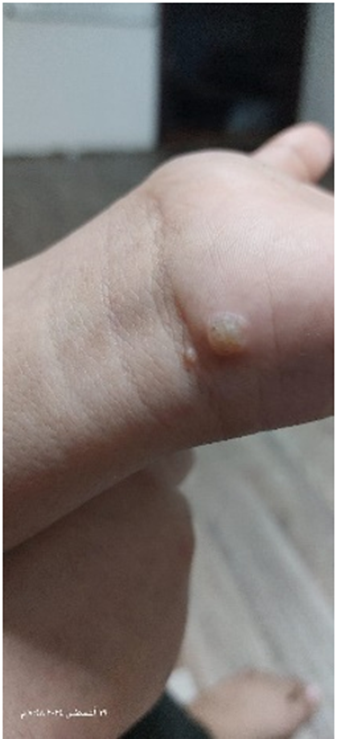
Figure: Case 1 Acropustulosis of infancy and children’s treatment topical antibiotics and steroid and oral antibiotics.
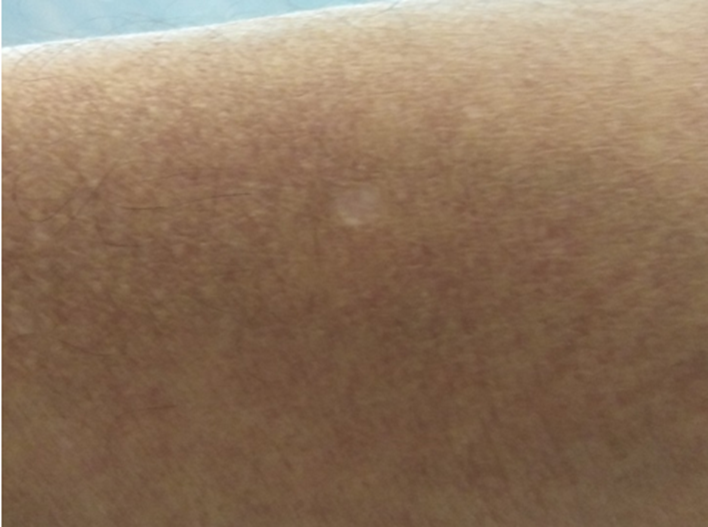
Figure: Case 2 primary Anetoderma no treatment.
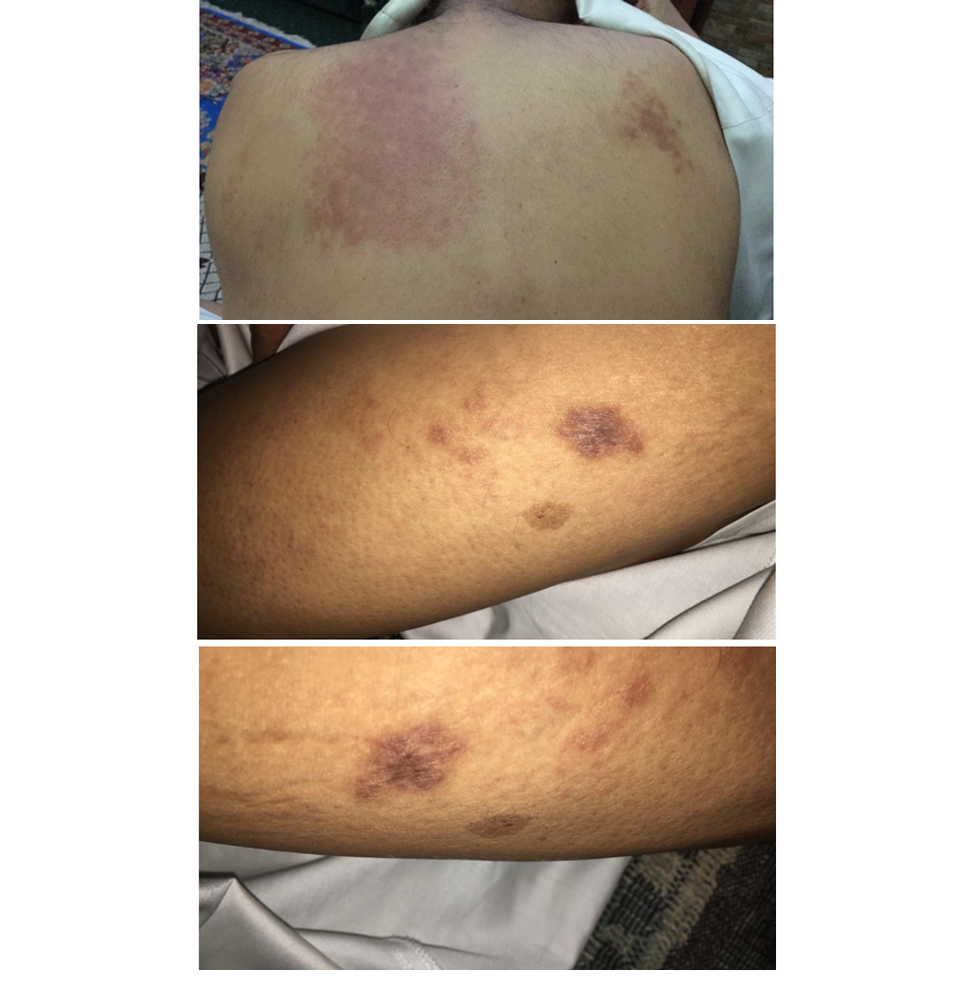
Figure: Case 3 cutaneous sarcoidosis oral and topical steroid and topical steroids.

Figure: Case 4 piokeloderma of civate treatment topical sunblock spf 100 lotion and steroid.
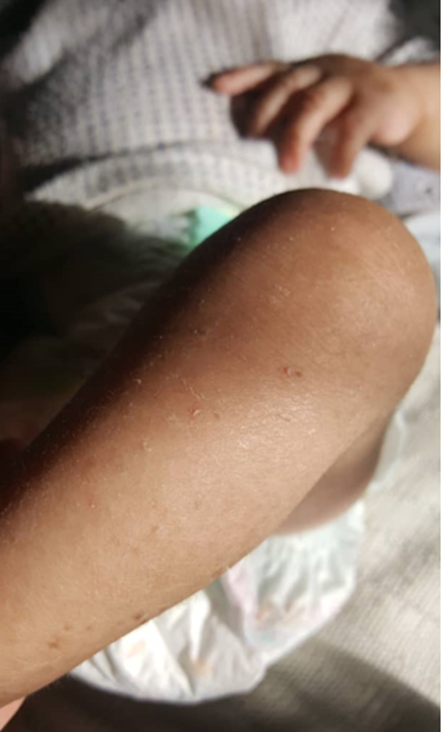
Figure: Case 5 chicken pox treatment oral acyclovir syrup and antibiotics and topical antibiotics.
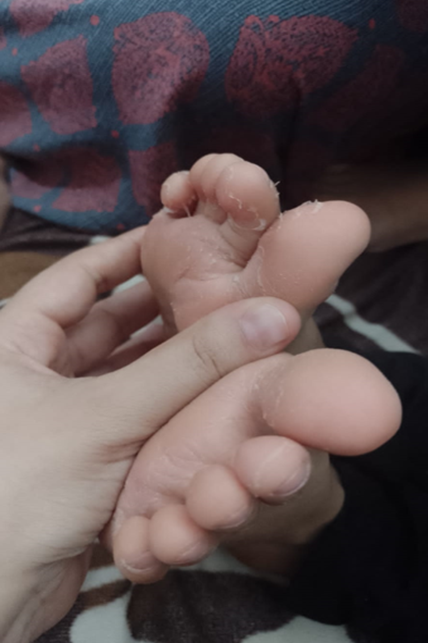
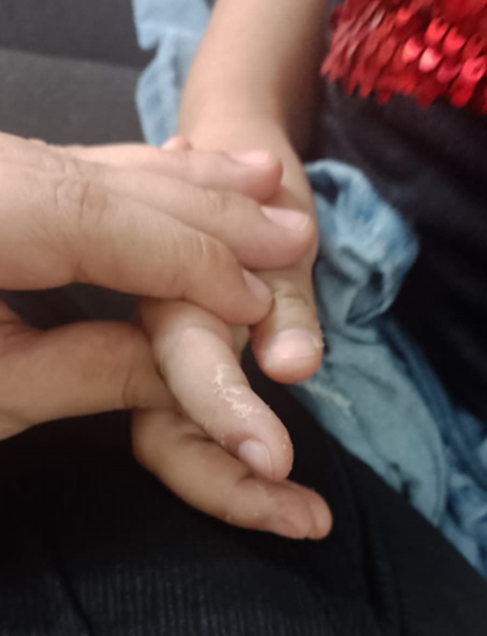
Figure: Case 6 contact irritant dermatitis treatment avoid play with floor dust.
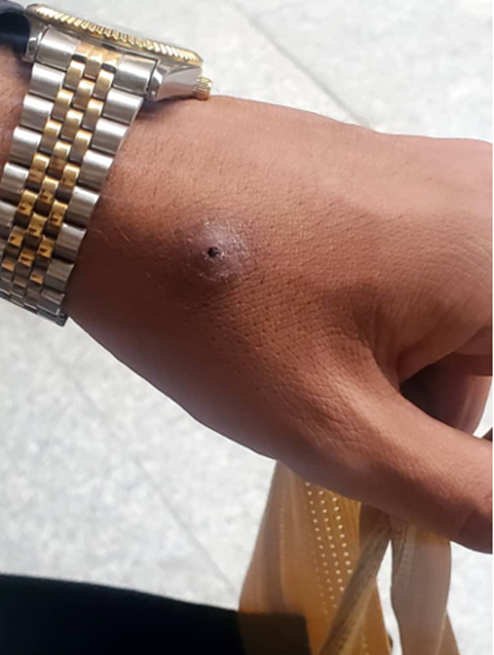
Figure: Case 7 cutaneous leishmaniosis treatment intralesional injection stibogluconate sodium.
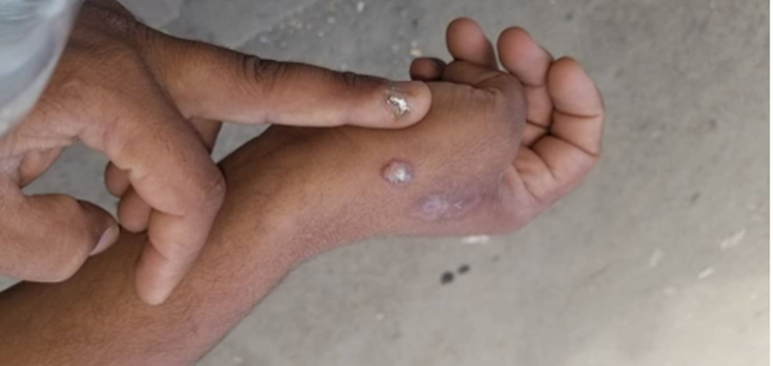
Figure: Case 8 plan warts treatment cryotherapy or chemical and electrical cauterization

Figure: Case 9 chronic eczema treatment oral antihistamine and topical occlusive therapy steroid.
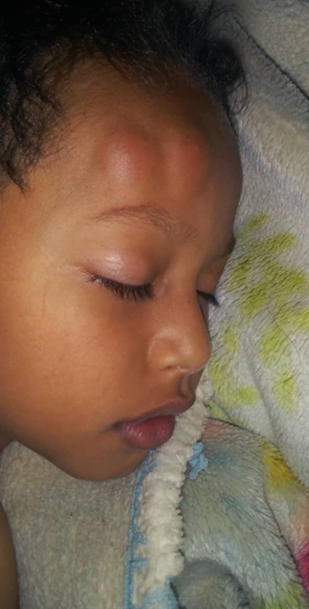
Figure: Case 10 acute allergic angioedema from stings insect’s treatment avoid insect bite oral antihistamine.
References
- ATA Teledermatology SIGAmerican Telemedicine Association. Archived from the original on 2 February 2007.
View at Publisher | View at Google Scholar - Wootton R (December 2017). Realtime Telemedicine. In Wootton R, Craig J, Patterson V (eds.). Introduction to Telemedicine (Second ed.). CRC Press. p. 88. ISBN 978-1-351-98946-6.
View at Publisher | View at Google Scholar - Wurm EM, Hofmann-Wellenhof R, Wurm R, Soyer HP (February 2008).
View at Publisher | View at Google Scholar - Burg G, Soyer HP, Chimenti S (2005).
View at Publisher | View at Google Scholar - Perednia DA, Brown NA (January 1995).
View at Publisher | View at Google Scholar - Chuchu, Naomi; Dinnes, Jacqueline; Takwoingi, Yemisi; Matin, Rubeta N; Bayliss, Susan E; Davenport, Clare; Moreau, Jacqueline F; Bassett, Oliver; Godfrey, Kathie; O'Sullivan, Colette; Walter, Fiona M (4 December 2018). Cochrane Skin Group (ed.).
View at Publisher | View at Google Scholar - Telederm.org. eDermConsult.
View at Publisher | View at Google Scholar - Binder B, Hofmann-Wellenhof R, Salmhofer W, Okcu A, Kerl H, Soyer HP (December 2007).
View at Publisher | View at Google Scholar - Ford, Adam R.; Gibbons, Caitlin M.; Torres, Josefina; Kornmehl, Heather A.; Singh, Sanminder; Young, Paulina M.; Chambers, Cindy J.; Maverakis, Emanual; Dunnick, Cory A.; Armstrong, April W. (2019).
View at Publisher | View at Google Scholar - IDD International Dermoscopy Diploma. Medizinische Universität Graz. Archived from the original on 13 January 2011.
View at Publisher | View at Google Scholar - DermNet NZ. New Zealand Dermatological Society.
View at Publisher | View at Google Scholar - Massone C, Soyer HP, Lozzi GP, Di Stefani A, Leinweber B, Gabler G, et al. (April 2007).
View at Publisher | View at Google Scholar - Bauer J, Leinweber B, Metzler G, Blum A, Hofmann-Wellenhof R, Leitz N, et al. (September 2006).
View at Publisher | View at Google Scholar - Handyscope. FotoFinder Systems GmbH. Archived from the original on 10 April 2020. Retrieved 27 November 2018.
View at Publisher | View at Google Scholar - Snoswell C, Finnane A, Janda M, Soyer HP, Whitty JA (June 2016).
View at Publisher | View at Google Scholar - Chuchu N, Takwoingi Y, Dinnes J, Matin RN, Bassett O, Moreau JF, et al. (December 2018).
View at Publisher | View at Google Scholar - Kaliyadan F, Venkitakrishnan S (2009).
View at Publisher | View at Google Scholar - Schofield J, Grindlay D, Williams H. Skin conditions in the UK: a health care needs assessment. Nottingham: Centre of Evidence Based Dermatology, University of Nottingham, 2009.
View at Publisher | View at Google Scholar - The Operating Framework for the NHS in England 2011/12". Department of Health. GOV.UK.
View at Publisher | View at Google Scholar - Skin cancer responds to around 30% of all malignant tumors in the Country". Sociedade Brasileira de Medicina Tropical (in Portuguese). 2019.
View at Publisher | View at Google Scholar - von Wangenheim A, Nunes DH (2019).
View at Publisher | View at Google Scholar - Giavina Bianchi M, Santos A, Cordioli E (2021).
View at Publisher | View at Google Scholar - Snoswell CL, Caffery LJ, Whitty JA, Soyer HP, Gordon LG (June 2018).
View at Publisher | View at Google Scholar - Snoswell CL, Whitty JA, Caffery LJ, Finnane A, Soyer HP (August 2019).
View at Publisher | View at Google Scholar