 Clinic
Research Article | DOI: https://doi.org/10.31579/2835-7957/150
Microplastics: Pervasive Environmental Contaminant - A Review
*Corresponding Author: Hashem Aram, Department of Soil Science, School of Agriculture, Shiraz University, Shiraz, Iran.
Citation: Hashem Aram, (2025), Microplastics: Pervasive Environmental Contaminant - A Review, Clinical Reviews and Case Reports, 4(6); DOI:10.31579/2835-7957/150
Copyright: © 2025, Hashem Aram. This is an open-access article distributed under the terms of the Creative Commons Attribution License, which permits unrestricted use, distribution, and reproduction in any medium, provided the original author and source are credited.
Received: 10 November 2025 | Accepted: 24 November 2025 | Published: 02 December 2025
Keywords: microplastics; environment; soil; pollution; plant
Abstract
In recent years, environmental pollution with plastics has become one of the biggest concerns of different societies. Identifying the type and characteristics of these pollutants is essential for prevention and protection of the environment. So far many studies have been conducted on the effects of microplastics in the environment. But none of them have comprehensively mentioned these dangerous effects in the environment. Therefore, due to the dispersion of research, it is necessary to conduct a comprehensive and targeted study.In this study, 180 papers from different scientific databases were examined. papers were selected that mentioned the effects of microplastics on water, soil and plants. Finally, 98 papers were selected and their results were used. The results showed that microplastics affected the biological, physical and chemical properties of the soil, which in addition to economic damage to the soil environment, can enter the food chain and affect human nutrition and health. The impact of microplastics on plants varies depending on factors such as plant species, soil type, shape, and plastic nature. The presence of microplastics in fish, corals, sea plants, crustaceans, sponges and molluscs has caused a decrease in the activity and population growth of these organisms. The best way to reduce the entry of microplastics into the environment is prevention. It is recommended to increase the culture of not using plastic products in the society, create binding national and international laws for countries to reduce the consumption of plastic products, waste management, continuously monitor the environment, increase the budget for scientific research to replace plastic products with other environmentally friendly materials.
Introduction
Lack of political stability, internal and international wars, wrong political decisions, poverty, lack of suitable facilities for life, increase in population and use of inappropriate materials such as plastics are important factors of environmental pollution (Hassan, 2010). The use of plastics in various industries is increasing and has important effects on the economy. Low price, flexibility and high durability are the advantages of plastics (Andrady, 2011). In recent years, plastic production is increasing and these productions can reach up to 800 million tons (Figure 1). Plastics are found in various industries and agriculture. The most important sources of producing plastics in the world are shown in Figure 2 (Law and Narayan, 2022). The size of microplastics is smaller than 5 mm and they have different types (Zhang et al., 2022). Microplastics can pollute the environment in the following ways, landfills, sewage sludge (Corradini et al., 2019), irrigation of agricultural land with wastewater, organic fertilizers (Weithman et al., 2018), use of plastic in agriculture and atmospheric sediments (Liu et al., 2019).
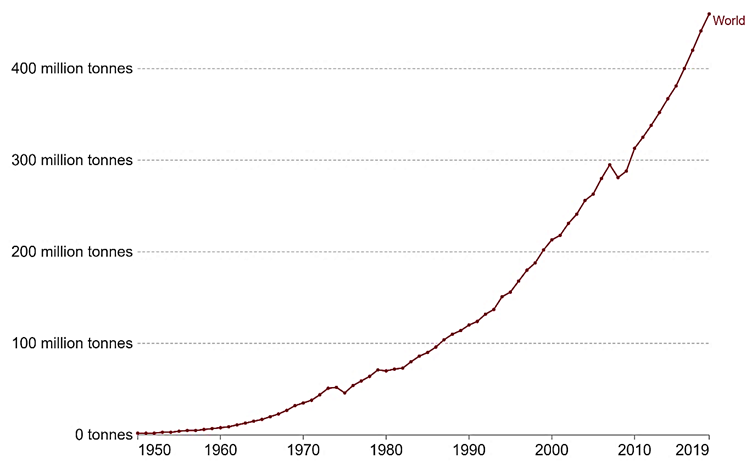
Figure 1: Trends in plastic Manufacturing from 1950-2019 to (Stubbins et al. 2021)
Despite the numerous benefits of plastics, the surge in their production in recent years has resulted in the significant accumulation of plastic waste in the environment. This has led to environmental issues owing to the material's durability, long lifespan, and low recycling rate (Di et al. 2019). Plastic mulch is used in about 20 million hectares of agricultural land in the world. Due to time-consuming and high cost, part of plastic mulches are intentionally or unintentionally left on agricultural lands (Yang et al., 2021a). From 1950 to 2015, approximately 6.5 billion tons of plastic were produced worldwide, most of which were buried in nature (Geyer et al., 2017). Mismanagement has caused a lot of plastic waste to be scattered on the roadsides and illegal places (Zhang et al., 2018). In agricultural lands, the release of bags and bottles containing pesticides and chemical fertilizers can be another source of soil microplastics (Li et al., 2020a). Microplastics and numerous plastic fragments have been reported in compost used on agricultural land (Blasing and Amelung, 2018). Studies have found that adding 15 and 30 tons of sewage sludge compost to the soil results in an increase in microplastics in the soil compared to the control treatment (Zhang et al., 2020). Many studies have been conducted on the effects of microplastics on soil, plants and marine environments. Each of these studies has examined the effects of these pollutants on a part of the environment. Considering that the studies were scattered, in this research, various articles were collected from reliable scientific databases, and after examining them, a comprehensive result of the effects of microplastics on different parts of the environment was presented.
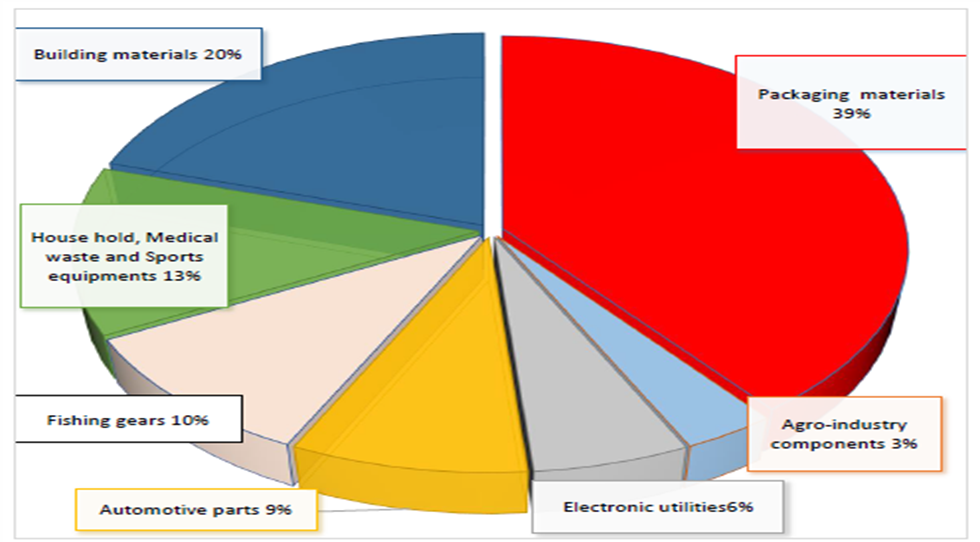
Figure 2: Plastic Pollution Sources (Law and Narayan, 2022)
2.Methods
In this study, 180 papers from different scientific databases (Web of Science, Science Direct, SpringerLink, Wiley Online Library, PubMed, Scopus, Islamic World Science and Technology Monitoring and Citation Institute (ISC), and Taylor & Francis Online) were examined. Papers were selected that mentioned the effects of microplastics on water, soil and plants. Finally, 98 papers were selected.
3.Results
3.1. Microplastics and Soil
Many researchers have investigated the impact of microplastics on the marine environment, but relatively few studies have been conducted on the effects of microplastics on soil (Guo et al., 2020). It seems that one of the reasons for limited studies regarding the presence of microplastics in soil is the lack of a global standard for sampling or an international standard for measuring and analyzing microplastics in soil (Wang et al., 2022). Microplastics can have different effects on soil properties (Figure 3). These effects are influenced by factors such as the size of microplastics and soil pores (Lozano et al., 2021). One study showed that microplastics increase soil cracking and ultimately Soil permeability (Liang et al., 2021). It has been reported that microplastics can lead to a decrease in bulk density, changes in the size of soil aggregates (Kim et al., 2021), and changes in soil hydraulic conductivity (Hangele et al., 2020; Zhang et al., 2019). It has been reported that the type of microplastic can affect the water storage capacity of the soil. For example, polyacrylic decreased, but polyester increased the water-holding capacity in the soil (Lehmann et al., 2021). Soil pH changes are influenced by the type of microplastics. It has been reported that soil exposure to polyurethane, polyethylene terephthalate, polyamides, and polycarbonate increased soil pH (Qi et al., 2020; Zhao et al., 2021), whereas polyethylene and polyester microplastics lower soil pH (Liu et al., 2022a). Medyńska-Juraszek and Jadhav (2022) showed that the effects of microplastics on soil and the adsorption/desorption of metal cations can increase soil pH. Soil microplastics can be a threat to the soil ecosystem (Boots et al., 2019). Soil organisms can easily absorb microplastics introduced into the soil (Rillig, 2012). A recent study found that earthworm populations declined when exposed to polyethylene (Huerta et al., 2016). Microplastics in soil can act as carriers of heavy metals and organic pollutants (Verla et al., 2019). Soil heavy metals, dioxins and persistent organic pollutants can interact with soil microplastics (Wang et al., 2020), which can affect crop growth and yield, soil microorganisms, fauna, and soil organic matter (Xu et al., 2021a; Zhang et al., 2022). Microplastics can reduce the absorption capacity of soil heavy metals and increase their mobility and absorption by plants (Li et al., 2021). It has been reported that the use of polystyrene increased the adverse effects of sulfamethazine on soil biodiversity, phenanthrene accumulation and DNA damage in earthworms. (Xu et al., 2021b). The transport capacity of heavy metals such as Cu2+ and Pb2+ through soil water increased in the presence of microplastics (Zhao et al., 2021; Liu et al., 2017). Microplastics have a large surface area and contain different functional groups, which increases the absorption of cations and the movement of soil heavy metals (Wang et al., 2019). The researcher's results showed chlorinated polyethylene, polyvinyl chloride, polyethylene-LPE, and HPE microplastics have a high capacity to adsorb the heavy metals Pb2+, Cu2+, and Cd2+ (Zou et al., 2020). It was also observed that Pb2+ exhibited stronger absorption compared to other heavy metals, which was attributed to its robust electrostatic interaction (Zou et al., 2020). The results showed that the type and dose of microplastics play an important role in the negative effects on soil cadmium (Wang et al., 2020a). In addition, higher concentrations and smaller sizes of microplastics increase soil cadmium uptake and decrease its mobility (Zhang et al., 2020a). Microplastics can affect soil biological communities. The existence of biological communities can affect the function of element cycles in the soil (Lu et al., 2024). Microplastics cause changes in soil structure and soil texture, which can lead to changes in soil microbial communities such as symbiotic microorganisms (Vallespir Lowery and Ursell, 2019). The result of the research showed that Microplastics increased the active microbial biomass but decreased the bacterial diversity, which disrupted biogeochemical cycles (Liu et al., 2024). Soil enzyme activities, which are very important for the decomposition of organic matter, can be affected by microplastics (Wang et al., 2024a). The research results showed that polyethylene microplastic particles reduced the exchangeable concentration of sodium, potassium and calcium by 2.7, 7.5 and 6.2%, respectively (Tafvizi et al, 2023).
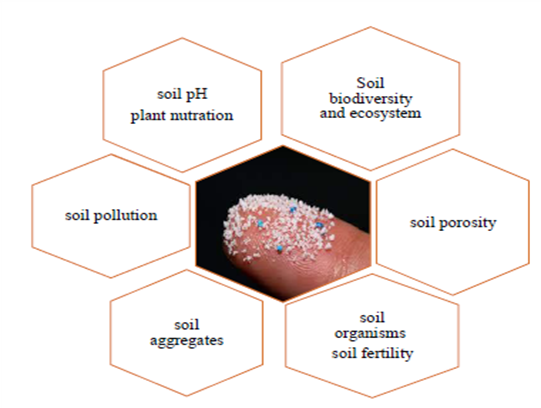
Figure 3: The effects of microplastics on soil properties
3.2. Microplastics and Marine Environments
Microplastics enter the oceans through different routes and significantly affect marine ecosystems. It is estimated that 80% of marine plastics originate from land and enter the ocean mainly through rivers (Wang et al., 2024b). Reported that microplastics are present in municipal sewage as well as effluents from personal care products and washing machines (Rathore et al., 2023).
Some aquatic organisms, such as oysters, cause the vertical transfer of microplastics and deposit them on the sea floor (Meng et al., 2024). Approximately 10% of plastics end up in the oceans through various channels, contributing to approximately 60-80% of marine litter in certain regions and as much as 90-95% in others, these substances enter the seas and oceans through wind and water (Li et al., 2021a). The results of studies showed that the highest concentration of microplastics in marine environments is in coastal areas, ports and near industrial sites (Desforges et al., 2014). Microplastic particles can disperse in aquatic environments because of their buoyancy and durability (Doyle et al., 2011). Physicochemical and biological processes in aquatic environments contribute to the degradation and decomposition of plastics, leading to the formation of microplastics and nanoplastics (Alimi et al., 2017). The presence of microplastics in places with marine vegetation is 2 to 3 times higher than in areas without marine vegetation Although algal beds retain large amounts of microplastics on the seafloor, a significant amount is ingested through marine sediments in the epipelagic zone of the ocean (Islam et al., 2020). Studies have shown that high-density polyethylene powder can penetrate oyster organs (Cole et al. 2015). Additionally, The presence of microplastics in coral reefs has been stated in several studies (Cordova et al., 2018). marine plants (Li et al., 2019), crustaceans (Cole et al., 2015), sponges, and mollusks (Sussarellu et al., 2016). The increase in plastic waste in the sea causes coral reefs to be affected. When these reefs are exposed to microplastics, the level of reef pollution increases dramatically (Iqbal et al., 2023). Three major diseases, namely skeletal erosion syndrome, sapwood syndrome, and black belt coral, are responsible for approximately 46% of the corals reef mortality caused by the ingestion of microplastics. Corals accumulate significant quantities of microplastics because of their complex structure and size. This accumulation leads to increased growth of the pathogen in the coral. The results show that microplastics in aquatic environments can have different toxic effects. These effects range from nutritional degradation to reproductive dysfunction as they disrupt marine energy metabolism (Islam et al., 2020). Plastic waste can have far-reaching environmental and economic effects on freshwater and marine environments. Macro- and microplastics can be mistaken for prey or lead to entanglement in aquatic animals, such as fish, turtles, and birds (Wright et al., 2013). Growth, chlorophyll levels and photosynthesis of microalgae are affected by microplastics (Passow and Carlson, 2012). The impact of microplastics on aquatic organisms, including fish, has worried many researchers and citizens (Nabi et al., 2024). Microplastics can disrupt the metabolic balance in fish and lead to behavioral changes and reduced reproduction (Bhuyan, 2022). Microplastics can cause oxidative stress and produce reactive oxygen species (ROS) in fish, This is due to the increase in the level of malondialdehyde (MDA) and the change in the activity of antioxidant enzymes such as superoxide dismutase and catalase (Michailidou et al., 2024). The results of the studies showed that ingestion of microplastics breaks DNA in fish, changes their swimming behavior, reduces the head-to-body ratio, and ultimately leads to the death of fish, especially larvae (Pannetier et al., 2020). On the other hand, microplastics can absorb dangerous chemicals from the surrounding environment and after being swallowed by fish, cause harmful effects in the body of the fish and finally enter the human food chain (Alberghini et al., 2024). Microplastics cause immune stimulation in corals and eventually lead to cell death (Tang et al., 2024). Studies indicated the presence of microplastics in 94.4% of the world's oysters (natural environments) (Wootton et al, 2022). The reduction of egg cells, lower sperm motility and reduction of reproduction in oysters is due to the entry of microplastics into the oysters' body (Cressey, 2016). Estimated that more than 78% of seabird species have ingested microplastics since 1960, also predicted that by 2050, more than 99% of seabird species will consume plastic waste (Wang et al., 2021). The introduction of microplastics into the body of birds caused a disruption in their reproduction (Roman et al., 2019).
3.3. Microplastics and Plants
Another dangerous effect of microplastics on the environment can be mentioned the effects of microplastics on plants (Figure 4). The research results showed that microplastics can have negative effects on plant growth and physiological processes in different ways (Ng et al., 2018). Microplastics can have positive or negative effects on plant growth (Ekner-Grzyb et al., 2022). Depending on the plant species, the size and nature of the plastics, these effects are different (Rillig et al., 2019). Polyethylene can reduce plant growth in field conditions (Meng et al., 2021). The research results showed that different types of microplastics can negatively affect the growth of Cucurbita pepo L plant, which leads to problems such as impaired root growth, reduced leaf area, reduced chlorophyll and reduced photosynthesis. The most toxic from PVC and the least toxic from Polyethylene was observed. (Colzi et al., 2022). PVC toxicity and its effects on chlorophyll content and photosynthesis have been reported in freshwater and marine algae (Wu et al., 2019). In addition, studies have shown that very small microplastics can be transported through plant roots to aerial organs (Li et al., 2020). The effect of microplastics on plant photosynthesis is different. The results showed that polylactic acid (PLA) microplastics led to a decrease in the chlorophyll content of corn leaves (Wang et al. 2020b). Polyethylene reduced the chlorophyll content of bean leaves (Meng et al. 2021). However, the number of photosynthetic pigments in wheat (Triticum aestivum) (Liao et al., 2019) and flowering Chinese cabbage (Ren et al., 2021) increased after exposure to microplastics. The results of some studies also showed that soil microplastics have not affect on plant chlorophyll (Bosker et al., 2019). Soil organic carbon, soil fertility and absorption of plant nutrients are affected by microplastics (Guo and Wang, 2021). Germination rate and height of ryegrass decreased in the presence of high-density polyethylene (Boots et al., 2019). Microplastics in soil are effective in absorbing water and nutrients by plants, which can be taken up by the root surface and affect plant performance (Iqbal et al., 2023). Microplastics damage ecosystems and affect plant metabolic activity, cytotoxicity, and genotoxicity (Iqbal et al., 2023). Gao et al (2021) reported that the combination of polystyrene microplastics and dibutyl phthalate enhanced the phytotoxicity of lettuce. This resulted in a decrease in lettuce biomass and the accumulation of toxic substances in both roots and leaves. Microplastics can affect the uptake, translocation, and accumulation of heavy metals in crops (Tang et al., 2022). They can also act as carriers of heavy metals. For example, polyethylene terephthalate microplastics transfer zinc (Zn), lead (Pb), and cadmium (Cd) to the seed rhizosphere (Abbasi et al., 2020). Owing to the hydrophobic adhesive bonds between the cell wall and microplastics, microplastics can also attach to roots and root hairs after germination (Bosker et al., 2019). Microplastics adversely affect the growth and development of plant tissues, including lettuce, broad beans, soybeans, onions, wheat, corn, and rice (Qi et al., 2020a; Liu et al., 2022). Plastic particles that accumulate in the stem and leaf veins can inhibit the absorption and transport of water and nutrients, resulting in reduced plant growth (Dong et al. 2020). Reports showed that microplastics in the soil caused a decrease in the efficiency of water use and the growth of corn (Hu et al., 2020). In various plants, reactive oxygen species (ROS) and antioxidant enzyme activity increased in the presence of microplastics (Jiang et al., 2019). Reactive oxygen species (ROS) production can lead to membrane dysfunction and reduced synthesis of amino acids and other secondary metabolites (Juan et al., 2021). Furthermore, Microplastics induce the production of more ROS and effectively inhibit plant growth (Chen et al., 2022).
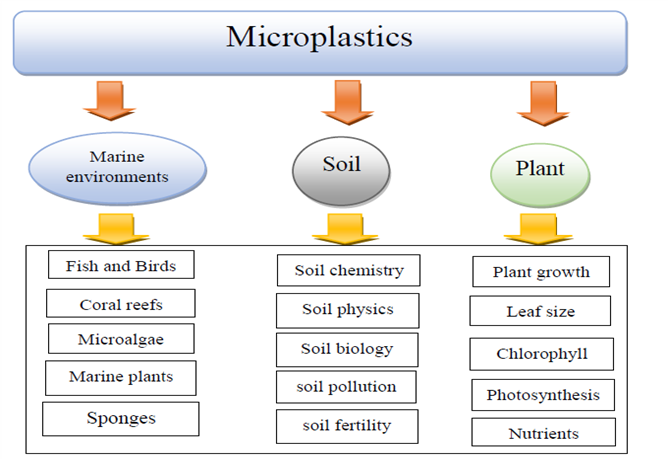
Figure 4: The effects of microplastics on the environment
4. Microplastics control strategies
4.1. Cultivation
Cultivation can help mitigate soil pollution caused by microplastics. However, many individuals, particularly farmers, lack awareness of the detrimental effects of microplastics on soil and plants. Therefore, organizing conferences, disseminating information through the media, and conducting training sessions can be effective strategies for addressing this issue (Zubair et al., 2024).
4.2. Rules and Regulations
Microplastic pollution can be reduced through strict laws and enforcement (Wang et al., 2019). It is suggested that the standards of microplastics in water, soil and aquatic environments be compiled and implemented by governments in countries (especially industrialized countries). Governments should establish mandatory laws so that large industries use advanced filtration systems to treat wastewater and reduce microplastics in the effluent.
4.3. Reduction of disposable plastic products
Controlling single-use plastics and promoting the use of biodegradable plastics (May Amelia et al., 2023). The use of biodegradable bioplastics, which are environmentally friendly, could be a suitable solution for controlling and preventing the microplastic contamination of soils, plants and water (Yang et al., 2021b).
4.4. Waste Management
Unequal distribution of resources, created health risks and lack of waste management has caused the increase of pollution (Fragkou et al., 2023). According to the hierarchy of waste management, the best solution to prevent microplastics from entering the environment is to eliminate or reduce the production of plastic waste (Figure 5). Separation of plastic waste at the source is one of the methods that can prevent the transfer of microplastics to the environment (Prata et al, 2019). Solid waste recycling can also be a crucial method for mitigating environmental microplastic pollution (Guo et al., 2020).
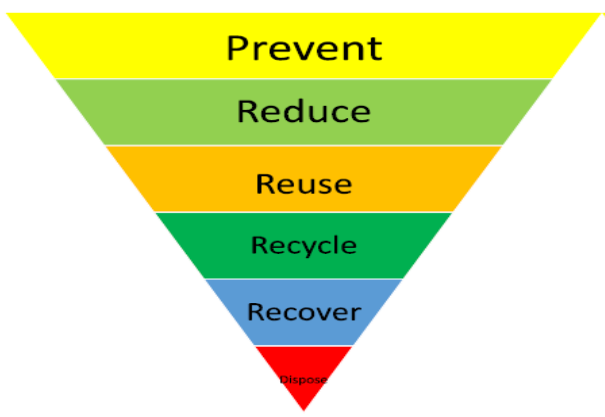
Figure 5: The waste management hierarchy (USEPA, 2022)
4.5. Scientific Research
Microplastics are national and international in nature, so interdisciplinary scientific research, such as environment, agriculture and natural resources, international politics and sociology, as well as international cooperation, can be effective in controlling this phenomenon (Mahmud et al., 2022). It is suggested that every year, governments allocate funds for research on microplastics in water, soil, and plants.
5. Conclusion
The use of plastics in various sectors, especially agriculture, is increasing. The release of plastic products such as chemical pesticides, fertilizer bottles, plastic mulch and irrigation pipes in agricultural fields can contaminate the soil and agricultural products with microplastics. Additionally, the release of plastic compounds into rivers and seas leads to marine pollution, which negatively affects marine organisms. Microplastics can have negative effects on the environment. The type of plant and soil and the nature of plastic particles can intensify these effects. These effects include changes in the size of soil aggregate, soil porosity, soil pH, soil hydraulic conductivity, water absorption capacity, reduced plant growth, reduced nutrient absorption by plants, reduced root and stem growth, reduced transport of heavy metals in the soil, and reduced chlorophyll, photosynthesis in plants and reduction of root symbiotic microorganisms. Also, among the effects of microplastics in aquatic environments, can mention the reduction of the population of aquatic organisms such as fish, the entry of these pollutants into the bodies of birds, and the loss of algae. Considering the entry of microplastics into water, soil and plants and finally the entry of these pollutants into the human food chain, it is recommended to remove or reduce the production of plastic products in countries and replace them with other biodegradable and environmentally friendly products.
References
- Abbasi, Sajjad, Farid Moore, Behnam Keshavarzi, Philip K. (2020). Hopke, Ravi Naidu, Mohammad Mahmudur Rahman, Patryk Oleszczuk, and Javad Karimi.
View at Publisher | View at Google Scholar - Alberghini, Leonardo, Alessandro Truant, Serena Santonicola, Giampaolo Colavita, and Valerio Giaccone. (2024).
View at Publisher | View at Google Scholar - Alimi, Olubukola S., Jeffrey Farner Budarz, Laura M. Hernandez, and Nathalie Tufenkji.
View at Publisher | View at Google Scholar - Andrady, Anthony L. (2011).
View at Publisher | View at Google Scholar - Bhuyan, Md Simul. (2022).
View at Publisher | View at Google Scholar - Blasing, Melanie, and Wulf Amelung. 2018.
View at Publisher | View at Google Scholar - Boots, Bas, Connor William Russell, and Dannielle Senga Green. (2019).
View at Publisher | View at Google Scholar - Bosker, Thijs, Lotte J. Bouwman, Nadja R. Brun, Paul Behrens, and Martina G. Vijver. (2019).
View at Publisher | View at Google Scholar - Chen, Guanglong, Yizheng Li, Shulin Liu, Muhammad Junaid, and Jun Wang. (2022).
View at Publisher | View at Google Scholar - Cole, Matthew, Pennie Lindeque, Elaine Fileman, Claudia Halsband, and Tamara S. Galloway. (2015).
View at Publisher | View at Google Scholar - Colzi, Ilaria, Luciana Renna, Elisabetta Bianchi, Maria Beatrice Castellani, Andrea Coppi, et al. (2022).
View at Publisher | View at Google Scholar - Cordova, Muhammad R., Tri A. Hadi, and Bayu Prayudha. (2018).
View at Publisher | View at Google Scholar - Corradini, Fabio, Pablo Meza, Raúl Eguiluz, Francisco Casado, Esperanza Huerta-Lwanga. et al. (2019).
View at Publisher | View at Google Scholar - Cressey, Daniel. (2016). Microplastics damage oyster fertility. Nature.
View at Publisher | View at Google Scholar - Desforges, Jean-Pierre W., Moira Galbraith, Neil Dangerfield, and Peter S. Ross. (2014).
View at Publisher | View at Google Scholar - Di, Mingxiao, Xiaoning Liu, Wenfeng Wang, and Jun Wang. (2019).
View at Publisher | View at Google Scholar - Dong, Youming, Minling Gao, Zhengguo Song, and Weiwen Qiu. (2020).
View at Publisher | View at Google Scholar - Doyle, Miriam J., William Watson, Noelle M. Bowlin, and Seba B. Sheavly. (2011).
View at Publisher | View at Google Scholar - Ekner-Grzyb, Anna, Anna Duka, Tomasz Grzyb, Isabel Lopes. et al. (2022).
View at Publisher | View at Google Scholar - Fragkou, Maria Christina, Luis Salinas Roca, Josep Espluga, and Xavier Gabarrell. (2013).
View at Publisher | View at Google Scholar - Gao, Bo, Huaiying Yao, Yaying Li, and Yizu Zhu. (2021).
View at Publisher | View at Google Scholar - Geyer, Roland, Jenna R. Jambeck, and Kara Lavender Law. (2017).
View at Publisher | View at Google Scholar - Guo, Jing-Jie, Xian-Pei Huang, Lei Xiang, Yi-Ze Wang, Yan-Wen Li. et al. (2020).
View at Publisher | View at Google Scholar - Guo, Xuan, and Jianlong Wang. (2021).
View at Publisher | View at Google Scholar - Hangele, Patrizia, Katharina Luise Müller, Hannes Laermanns, and Christina Bogner. (2020).
View at Publisher | View at Google Scholar - Hassan, M. Khalis Raouf. (2010).
View at Publisher | View at Google Scholar - Hu, Qi, Xianyue Li, José M. Gonçalves, Haibin Shi. et al. (2020).
View at Publisher | View at Google Scholar - Huerta Lwanga, Esperanza, Hennie Gertsen, Harm Gooren, Piet Peters. et al. (2016).
View at Publisher | View at Google Scholar - Iqbal, Babar, Tingting Zhao, Weiqing Yin, Xin Zhao, Qingjie Xie. et al. (2023).
View at Publisher | View at Google Scholar - Islam, Mahibul, Mahmudul Hasan, Bhaskar Chandra Majudmar, and Sulav Indra Paul. (2020).
View at Publisher | View at Google Scholar - Jiang, Xiaofeng, Hao Chen, Yuanchen Liao, Ziqi Ye, Mei Li. et al. (2019).
View at Publisher | View at Google Scholar - Juan, Celia Andres, Jose Manuel Perez de la Lastra, Francisco J. Plou, and Eduardo Perez-Lebena. (2021).
View at Publisher | View at Google Scholar - Kim, Shin Woong, Yun Liang, Tingting Zhao, and Matthias C. Rillig. (2021).
View at Publisher | View at Google Scholar - Law, Kara Lavender, and Ramani Narayan. (2022).
View at Publisher | View at Google Scholar - Lehmann, Anika, Eva F. Leifheit, Maurice Gerdawischke, and Matthias C. Rillig. (2021).
View at Publisher | View at Google Scholar - Li, Lianzhen, Yongming Luo, Ruijie Li, Qian Zhou, Willie JGM Peijnenburg. et al. (2020).
View at Publisher | View at Google Scholar - Li, Ming, Dedong Wu, Di Wu, Hongliang Guo, and Song Han. (2021).
View at Publisher | View at Google Scholar - Li, Ruilong, Linlin Zhang, Baoming Xue, and Yinghui Wang. (2019).
View at Publisher | View at Google Scholar - Li, Wenfeng, Rehemanjiang Wufuer, Jia Duo, Shuzhi Wang, Yongming Luo. (2020).
View at Publisher | View at Google Scholar - Li, You, Yixin Sun, Jinzhen Li, Ruikai Tang, Yifa Miu. et al. (2021).
View at Publisher | View at Google Scholar - Liang, Yun, Anika Lehmann, Gaowen Yang, Eva F. Leifheit, and Matthias C. Rillig. (2021).
View at Publisher | View at Google Scholar - Liao, Yuan-Chen, Jahitbek Nazygul, Mei Li, Xiao-Lin Wang, and Li-Juan Jiang. (2019).
View at Publisher | View at Google Scholar - Liu, Hongfei, Xiaomei Yang, Guobin Liu, Chutao Liang, Sha Xue. et al. (2017).
View at Publisher | View at Google Scholar - Liu, Kai, Xiaohui Wang, Tao Fang, Pei Xu, Lixin Zhu. et al. (2019).
View at Publisher | View at Google Scholar - Liu, Xinhui, Yongxiang Yu, Haiyang Yu, Binoy Sarkar, Yanyan Zhang. (2024).
View at Publisher | View at Google Scholar - Liu, Yingying, Rong Guo, Shuwu Zhang, Yuhuan Sun, and Fayuan Wang. (2022).
View at Publisher | View at Google Scholar - Liu, Ziqiang, Zhenxiu Liu, Lizhu Wu, Yazheng Li, Jing Wang. (2022).
View at Publisher | View at Google Scholar - Lozano, Yudi M., Timon Lehnert, Lydia T. Linck, Anika Lehmann, and Matthias C. Rillig. (2021).
View at Publisher | View at Google Scholar - Lu, Siyuan, Shitong Wei, Meiyan Li, David R. Chadwick, Mengmeng Xie. et al. (2024).
View at Publisher | View at Google Scholar - Mahmud, Abir, Mustafa Md Wasif, Hridoy Roy, Fareen Mehnaz, Tasnim Ahmed. et al. (2022).
View at Publisher | View at Google Scholar - May Amelia, Tan Suet, Kesaven Bhubalan, Ramesh Kumar Santhanam, Amirul Al-Ashraf Abdullah. et al. (2023). “The Degradation of Single-Use Plastics and Commercially Viable Bioplastics in the Environment: A Review.” Environmental Research, April.
View at Publisher | View at Google Scholar - Medyńska-Juraszek, Agnieszka, and Bhakti Jadhav. (2022).
View at Publisher | View at Google Scholar - Meng, Fanrong, Xiaomei Yang, Michel Riksen, Minggang Xu, and Violette Geissen. (2021).
View at Publisher | View at Google Scholar - Meng, Liujiang, Xiaoxia Sun, Qingjie Li, Shan Zheng, Junhua Liang. et al. (2024).
View at Publisher | View at Google Scholar - Michailidou, Kostantina, Christina Palisidou, Konstantinos Feidantsis, Nina Maria Ainali et al. (2024).
View at Publisher | View at Google Scholar - Nabi, Naveed, Ishtiyaq Ahmad, Adnan Amin, Mohd Ashraf Rather, Imtiaz Ahmed. et al. (2024).
View at Publisher | View at Google Scholar - Ng, Ee-Ling, Esperanza Huerta Lwanga, Simon M. Eldridge, Priscilla Johnston, Hang-Wei Hu, et al. (2018).
View at Publisher | View at Google Scholar - Pannetier, Pauline, Bénédicte Morin, Florane Le Bihanic, Laurence Dubreil, Christelle Clérandeau. et al. (2020).
View at Publisher | View at Google Scholar - Passow, Uta, and Craig A. Carlson. (2012).
View at Publisher | View at Google Scholar - Prata, Joana C., Ana L. Patrício Silva, João P. Da Costa, Catherine Mouneyrac, Tony R. et al. (2019).
View at Publisher | View at Google Scholar - Qi, Yueling, Adam Ossowicki, Xiaomei Yang, Esperanza Huerta Lwanga, Francisco Dini-Andreote. et al. (2020a).
View at Publisher | View at Google Scholar - Qi, Yueling, Nicolas Beriot, Gerrit Gort, Esperanza Huerta Lwanga, Harm Gooren. et al. (2020).
View at Publisher | View at Google Scholar - Rathore, Chayanika, Mahua Saha, Jacob de Boer, Aniket Desai, Priyansha Gupta. et al. (2023).
View at Publisher | View at Google Scholar - Ren, Xinwei, Jingchun Tang, Lan Wang, and Qinglong Liu. (2021).
View at Publisher | View at Google Scholar - Rillig, Matthias C. (2012).
View at Publisher | View at Google Scholar - Rillig, Matthias C., Anika Lehmann, A. Abel de Souza Machado, and Gaowen Yang. (2019).
View at Publisher | View at Google Scholar - Roman, Lauren, Linda Lowenstine, Laura Maeve Parsley, Chris Wilcox, Britta Denise Hardesty. et al. (2019).
View at Publisher | View at Google Scholar - Stubbins, Aron, Kara Lavender Law, Samuel E. Muñoz, Thomas S. Bianchi, and Lixin Zhu. (2021).
View at Publisher | View at Google Scholar - Sussarellu, Rossana, Marc Suquet, Yoann Thomas, Christophe Lambert, Caroline Fabioux, et al. (2016).
View at Publisher | View at Google Scholar - Tafvizi, Mehdi, Mohammad Babaakbari, and Mohammad Amir Delavar. (2023).
View at Publisher | View at Google Scholar - Tang, Chuan-Ho, Ching-Yu Lin, Hsing-Hui Li, and Fu-Wen Kuo. (2024).
View at Publisher | View at Google Scholar - Tang, Mingfeng, Yongchuang Huang, Wei Zhang, Tingting Fu, Tingting Zeng, et al. (2022).
View at Publisher | View at Google Scholar - USEPA. (2022).
View at Publisher | View at Google Scholar - Vallespir Lowery, Nick, and Tristan Ursell. (2019).
View at Publisher | View at Google Scholar - Verla, Andrew Wirnkor, Christian Ebere Enyoh, Evelyn Ngozi Verla, and Kieran Oharley Nwarnorh. (2019).
View at Publisher | View at Google Scholar - Wang, Chunhui, Junhong Tang, Haixia Yu, Yiyi Wang, Huanxuan Li, Shaodan Xu, Gang Li, and Qian Zhou. (2022).
View at Publisher | View at Google Scholar - Wang, Fayuan, Lei Pei, Shuwu Zhang, Jiao Sun, and Lanfang Han. (2024a).
View at Publisher | View at Google Scholar - Wang, Fayuan, Weiwei Yang, Peng Cheng, Shuqi Zhang, Shuwu Zhang. et al. (2019).
View at Publisher | View at Google Scholar - Wang, Fayuan, Xiaoqing Zhang, Shuqi Zhang, Shuwu Zhang, and Yuhuan Sun. (2020),
View at Publisher | View at Google Scholar - Wang, Fayuan, Xiaoqing Zhang, Shuqi Zhang, Shuwu Zhang, Catharine A. et al. (2020a).
View at Publisher | View at Google Scholar - Wang, Limin, Ghulam Nabi, Liyun Yin, Yanqin Wang, Shuxin Li, Zhuang Hao, and Dongming Li. (2021).
View at Publisher | View at Google Scholar - Wang, Shuai, Yue Wang, Ying Liang, Wei Cao, Chengjun Sun. (2020b).
View at Publisher | View at Google Scholar - Wang, Teng, Baojie Li, Huahong Shi, Yongcheng Ding, Hongyu Chen. et al. (2024b).
View at Publisher | View at Google Scholar - Weithmann, Nicolas, Julia N. Möller, Martin GJ Loder, Sarah Piehl, Christian Laforsch. et al.
View at Publisher | View at Google Scholar - Wootton, Nina, Koster Sarakinis, Rufino Varea, Patrick Reis-Santos, and Bronwyn M. Gillanders. (2018).
View at Publisher | View at Google Scholar - Wright, Stephanie L., Darren Rowe, Richard C. Thompson, and Tamara S. Galloway. (2013).
View at Publisher | View at Google Scholar - Wu,Yanmei, Peiyong Guo, Xiaoyan Zhang, Yuxuan Zhang, Shuting Xie. et al. (2019).
View at Publisher | View at Google Scholar - Xu, Guanghui, Yang Liu, Xue Song, Ming Li, and Yong Yu. (2021a).
View at Publisher | View at Google Scholar - Xu, Meiling, Wenchao Du, Fuxun Ai, Fen Xu, Jianguo Zhu. et al. (2021b).
View at Publisher | View at Google Scholar - Yang, Ling, Yulan Zhang, Shichang Kang, Zhaoqing Wang, and Chenxi Wu. (2021b).
View at Publisher | View at Google Scholar - Yang, Min, Dao-You Huang, Ying-Bing Tian, Qi-Hong Zhu, Quan Zhang. et al. (2021a).
View at Publisher | View at Google Scholar - Zhang, Bin, Xin Yang, Liang Chen, Jinyu Chao, Jia Teng. et al. (2020a).
View at Publisher | View at Google Scholar - Zhang, Gs, Fx Zhang, and Xt Li. (2019).
View at Publisher | View at Google Scholar - Zhang, Gs, Fx Zhang, and Yf. Liu. (2018).
View at Publisher | View at Google Scholar - Zhang, Lishan, Yuanshan Xie, Junyong Liu, Shan Zhong, Yajie Qian. et al. (2020).
View at Publisher | View at Google Scholar - Zhang, Weng, Qi Wang, and Hao Chen. (2022).
View at Publisher | View at Google Scholar - Zhao, Tingting, Yudi M. Lozano, and Matthias C. Rillig. (2021).
View at Publisher | View at Google Scholar - Zou, Jiying, Xiuping Liu, Dongmei Zhang, and Xing Yuan. 2020.
View at Publisher | View at Google Scholar - Zubair, Hassan, Sikandar Hussain, Shafqat Raza, Abdul Hannan Afzal, Rohma Alam. et al. (2024).
View at Publisher | View at Google Scholar