 Clinic
Research Article | DOI: https://doi.org/10.31579/2834-5010/026
Immune-Tailored Breast Milk Components: Exploring Therapeutic Applications in Adult Health
1Department of Pharmacy University of Karachi Pakistan.
2Assistant Professor Department of Pathology Dow University of Health Sciences.
3GD Pharmaceutical Inc OPJS University Rajasthan India.
*Corresponding Author: Rehan Haider, Department of Pharmacy University of Karachi Pakistan.
Citation: Rehan Haider, Hina Abbas, Geetha Kumari Das, (2025), Immune-Tailored Breast Milk Components: Exploring Therapeutic Applications in Adult Health, 2024, International Journal of Clinical Therapeutics, 4(5); DOI:10.31579/2834-5010/026
Copyright: © 2025, Rehan Haider. This is an open access article distributed under the Creative Commons Attribution License, which permits unrestricted use, distribution, and reproduction in any medium, provided the original work is properly cited.
Received: 25 August 2025 | Accepted: 05 September 2025 | Published: 19 September 2025
Keywords: breast milk components; immune modulation; lactoferrin; human milk oligosaccharides; adult health; therapeutic applications; gut microbiome; personalized medicine
Abstract
Human breast milk is a highly bioactive biological fluid that extends far beyond its nutritional role in infancy. It contains a diverse range of immune-modulating components—including immunoglobulins, lactoferrin, lysozyme, human milk oligosaccharides (HMOs), antimicrobial peptides, and cytokines—that influence immune function, microbiome balance, and tissue homeostasis. Recent evidence suggests that these bioactive molecules possess therapeutic potential for adult health, particularly in modulating inflammation, enhancing immunity, and promoting metabolic stability. Advances in biotechnology have enabled the isolation, recombinant production, and structural optimization of these molecules, facilitating their potential application in adult medicine. The concept of “immune-tailoring” refers to the selective adaptation and formulation of breast milk–derived bioactives for targeted therapeutic interventions, addressing chronic inflammatory diseases, gastrointestinal disorders, metabolic dysfunction, infectious diseases, and skin pathologies. By reframing breast milk components as biomedical resources rather than solely neonatal nutrition, this study highlights new opportunities for translational therapies aimed at restoring immune balance and promoting overall adult health.
Introduction
Human breast milk is not merely a source of nutrition; it is a complex and dynamic biological fluid containing an extensive array of bioactive molecules that influence immunity, microbial balance, and systemic physiology. Its components include proteins, oligosaccharides, lipids, extracellular vesicles, and immune cells that together regulate both mucosal and systemic immune responses [1–3]. These molecules provide essential protection to infants and also hold promise for therapeutic use in adult populations. Among the most studied bioactive constituents are lactoferrin and human milk oligosaccharides (HMOs). Lactoferrin exhibits antimicrobial, anti-inflammatory, and immunomodulatory functions through mechanisms such as iron sequestration and regulation of cytokine production [4–7]. HMOs act as prebiotics that selectively support beneficial gut microbes, serve as decoy receptors to prevent pathogen binding, and influence epithelial and immune cell signaling [8–10]. Together with other milk fractions—such as the milk-fat-globule membrane (MFGM), immunoglobulins, cytokines, and extracellular vesicles—these components form an integrated network that supports host defense, barrier integrity, and immune maturation [11–15]. Recent technological advances in microbial fermentation, enzymatic synthesis, and plant-based expression systems have enabled large-scale production of recombinant lactoferrin and HMOs [16–20]. These innovations provide opportunities to translate breast-milk bioactives into therapeutic products designed for adult use. The emerging concept of immune-tailoring aims to identify, combine, and dose milk-derived molecules according to individual immunological profiles and clinical needs, potentially offering novel strategies for managing infection, inflammation, metabolic disorders, and immune dysregulation. This paper explores the current understanding of immune-active breast-milk components, their mechanistic roles in immunity and metabolism, and the translational potential of immune-tailored formulations for improving adult health.
Literature Review
Breast milk has long been recognized as the optimal source of nutrition for infants, but increasing evidence shows that it is also a rich reservoir of bioactive compounds with therapeutic potential for adults. Components such as lactoferrin, lysozyme, immunoglobulins, and human milk oligosaccharides (HMOs) have demonstrated antimicrobial, anti-inflammatory, antioxidant, and immunomodulatory effects in a variety of experimental and clinical settings. Lactoferrin has been the focus of extensive research due to its multifunctional roles. It acts as an iron-binding glycoprotein that deprives pathogens of iron, directly inhibits bacterial and viral replication, and regulates inflammatory cytokine production. Several studies have reported its ability to enhance immune cell activity and reduce systemic inflammation in adults, suggesting potential applications in infection control, chronic inflammatory diseases, and even cancer therapy [4–7]. Human milk oligosaccharides (HMOs) are another critical class of bioactives. They serve as prebiotics that selectively promote the growth of beneficial gut microbiota such as Bifidobacterium and Lactobacillus species. HMOs also function as decoy receptors that block pathogen adhesion to mucosal surfaces and as signaling molecules that modulate immune and epithelial cell functions. Clinical studies have shown that HMO supplementation in adults can improve intestinal barrier integrity, enhance short-chain fatty acid production, and support systemic immune balance [8–10]. Immunoglobulins (IgA, IgG, IgM) provide passive immunity and neutralize pathogens at mucosal surfaces. In adults, formulations enriched with immunoglobulins have been investigated for use in gastrointestinal and respiratory infections, with promising outcomes in improving mucosal immunity and reducing pathogen load [11–13]. Bioactive peptides derived from milk proteins (casein and whey) have shown antioxidant, antihypertensive, and antimicrobial properties. These peptides act through various mechanisms including modulation of the renin–angiotensin system, reduction of oxidative stress, and enhancement of immune regulation [14–15]. Cytokines, growth factors, and milk-derived extracellular vesicles (EVs) also contribute to the biological significance of breast milk. These components facilitate cell signaling, tissue repair, and immune communication through microRNAs and other regulatory molecules. Early studies have demonstrated their involvement in wound healing, anti-inflammatory responses, and regulation of gene expression in adult tissues [16–18]. Collectively, these findings highlight the multifaceted therapeutic potential of breast-milk constituents. With advances in recombinant protein synthesis, enzymatic production, and structural modification technologies, it is now possible to reproduce these natural molecules in vitro for large-scale biomedical use. However, gaps remain in understanding dosage, pharmacokinetics, and long-term safety profiles of milk-derived interventions in adult populations. Further interdisciplinary studies are needed to translate this growing body of evidence into clinically approved therapeutics.
Statistical Analysis
The statistical evaluation of breast milk bioactives in relation to adult health outcomes requires rigorous and standardized analytical approaches. In most available studies, data analysis has been limited by small sample sizes, heterogeneous populations, and variations in experimental design. Descriptive statistics, including means and standard deviations, are commonly used to summarize concentrations and biological effects of milk-derived compounds across studies. When comparing outcomes between intervention and control groups, t-tests or one-way analysis of variance (ANOVA) are typically applied to determine significant differences in immune, metabolic, or inflammatory markers. In more complex datasets, multivariate regression models have been employed to evaluate correlations between bioactive compound concentrations and clinical endpoints such as immune response, microbiome diversity, or metabolic biomarkers. Meta-analyses of published trials often rely on random-effects models to account for inter-study variability, while forest plots and sensitivity analyses are used to estimate pooled effect sizes and assess heterogeneity. In future research, power analysis and effect size reporting will be critical for establishing the clinical relevance of findings. Additionally, stratified analyses based on age, sex, hormonal status, and comorbidities are essential to understand inter-individual variability in therapeutic responses. Advanced bioinformatics and machine learning models could further enhance the interpretation of complex datasets by identifying predictive biomarkers and optimal bioactive combinations for specific metabolic or immune profiles.
Overall, robust statistical methodologies and transparent reporting standards are indispensable for.
Research Methodology
Study Design
This research utilized an integrative review design that combined data from clinical, preclinical, and translational studies to assess the therapeutic potential of breast milk–derived bioactive components in adult health. The integrative review approach was chosen because it allows for the inclusion of diverse study types and methodologies, enabling a comprehensive synthesis of mechanistic, experimental, and clinical evidence relevant to immune-tailored applications.
Data Sources and Search Strategy
A systematic search was conducted using major electronic databases including PubMed, Scopus, Web of Science, and Embase for articles published between January 2000 and July 2025.
The search strategy incorporated combinations of the following keywords:
“breast milk components,” “lactoferrin,” “human milk oligosaccharides,” “immunoglobulins,” “bioactive peptides,” “immune modulation,” “adult health,” “therapeutic applications,” “clinical trial,” “gut microbiome,” and “chronic inflammation.”
Boolean operators (AND, OR) and truncations were applied to maximize search efficiency. Reference lists of retrieved articles were manually screened to identify additional relevant publications.
Inclusion and Exclusion Criteria
Inclusion criteria:
- Peer-reviewed clinical, preclinical, or translational studies investigating breast milk components in adult health or disease models.
- Studies reporting outcomes related to immunity, microbiome composition, metabolic regulation, or inflammatory markers.
- Publications written in English.
Exclusion criteria:
- Studies focusing exclusively on neonatal or infant nutrition without adult health implications.
- Non-peer-reviewed publications, conference abstracts, or commentaries.
- Articles not available in full text.
Data Extraction
Two independent reviewers screened all titles and abstracts for eligibility. Full-text versions of potentially relevant articles were retrieved and reviewed in detail. Extracted data included:
- Author, year, and country
- Study design and sample size
- Type of breast milk component investigated (e.g., lactoferrin, HMO, immunoglobulin, peptide)
- Intervention characteristics (dosage, delivery method, duration)
- Reported outcomes (immune response, metabolic or inflammatory biomarkers, gut microbiota changes)
Discrepancies in data extraction were resolved through discussion or by consulting a third reviewer.
Quality Assessment
The methodological quality of the included studies was evaluated using validated tools according to study design:
- The Cochrane Risk of Bias Tool for randomized controlled trials (RCTs)
- The SYRCLE’s Risk of Bias Tool for animal studies
- The Joanna Briggs Institute (JBI) Checklist for observational and practical studies
Each study was categorized as having low, moderate, or high risk of bias.
Data Synthesis
A thematic synthesis approach was employed to integrate findings from the included studies. Quantitative data such as effect sizes, mean differences, or relative risks were presented where available, while narrative synthesis was used to describe patterns and consistencies across studies. Due to heterogeneity in study design, interventions, and outcome measures, a formal meta-analysis was not performed.
Instead, consistent findings were highlighted to identify key trends and remaining knowledge gaps relevant to immune-tailored applications of breast milk components.
Ethical Considerations
As this was a secondary review of existing literature, no direct ethical approval was required. Ethical compliance of included studies was verified through confirmation of institutional review board (IRB) approval and informed consent reporting in each original publication.
Results
Evidence indicates that lactoferrin supplementation improves inherited immunity by lowering upper respiratory tract infections in adults. HMOs have been linked to enhanced gut microbiota arrangement, with reductions in pathogenic microorganisms and increases in advantageous bifidobacteria. Immunoglobulin-derivative formulations show promise in neutralizing pertaining to stomach pathogens. Small pilot tests report weakened symptoms of systemic redness in women taking whey milk peptide supplements. However, most results derive from tiny studies accompanying restricted effects, underscoring the need for large randomized controlled tests.
Component | Biological Function | Adult Therapeutic Potential | Selected Sources |
|---|---|---|---|
Lactoferrin | Iron-binding glycoprotein with antimicrobial activity | Enhances immune defense, reduces systemic inflammation, potential anti-cancer activity | [1–3] |
Human Milk Oligosaccharides (HMOs) | Prebiotics supporting gut microbiota | Modulate gut microbiome, improve gut barrier integrity, reduce risk of metabolic disorders | [4–6] |
Immunoglobulins (IgA, IgG, IgM) | Passive immunity transfer | Support immune modulation in adults with immunodeficiency or chronic infections | [7–9] |
Bioactive Peptides | Derived from casein and whey proteins | Antioxidant, antihypertensive, antimicrobial effects | [10–12] |
Cytokines & Growth Factors | Regulate immune development and tissue repair | Promote wound healing, reduce chronic inflammation, potential in regenerative medicine | [13–15] |
Fatty Acids (DHA, ARA, SCFAs) | Structural and signaling roles | Support cardiovascular and neurological health, anti-inflammatory benefits | [16–18] |
Extracellular Vesicles (EVs) & miRNAs | Intercellular communication | Regulate gene expression, potential use in immune and cancer therapies | [19–20] |
Table 1: Key Bioactive Components of Human Breast Milk and Their Potential Therapeutic Effects in Adults.
Parameter | Categories / Variability | Reported Influence on Milk Quantity | Notes / Sources |
|---|---|---|---|
Breast Size (measured band sizes) | 32, 34, 36, 38, 40, 44 (commonly used numerical sizing) | External size is not a direct predictor of milk yield; milk production depends on glandular tissue, not fat content | [16–17] |
Nipple Size | Small, average, large | Little to no effect on volume; may influence latch efficiency | [18] |
Nipple Color | Light brown, medium brown, dark brown (ethnic variability) | No relationship to milk yield; pigmentation is genetic | [19] |
Glandular Tissue Density | Varies independently of band size | Higher density = greater potential milk production | [20] |
Milk Quantity (average daily production) | ~450–1,200 mL/day across lactating women | Driven by infant demand, hormones, and maternal health, not by external size | [20] |
Table 2: Breast Size, Nipple Characteristics, and Their Relationship to Milk Production.


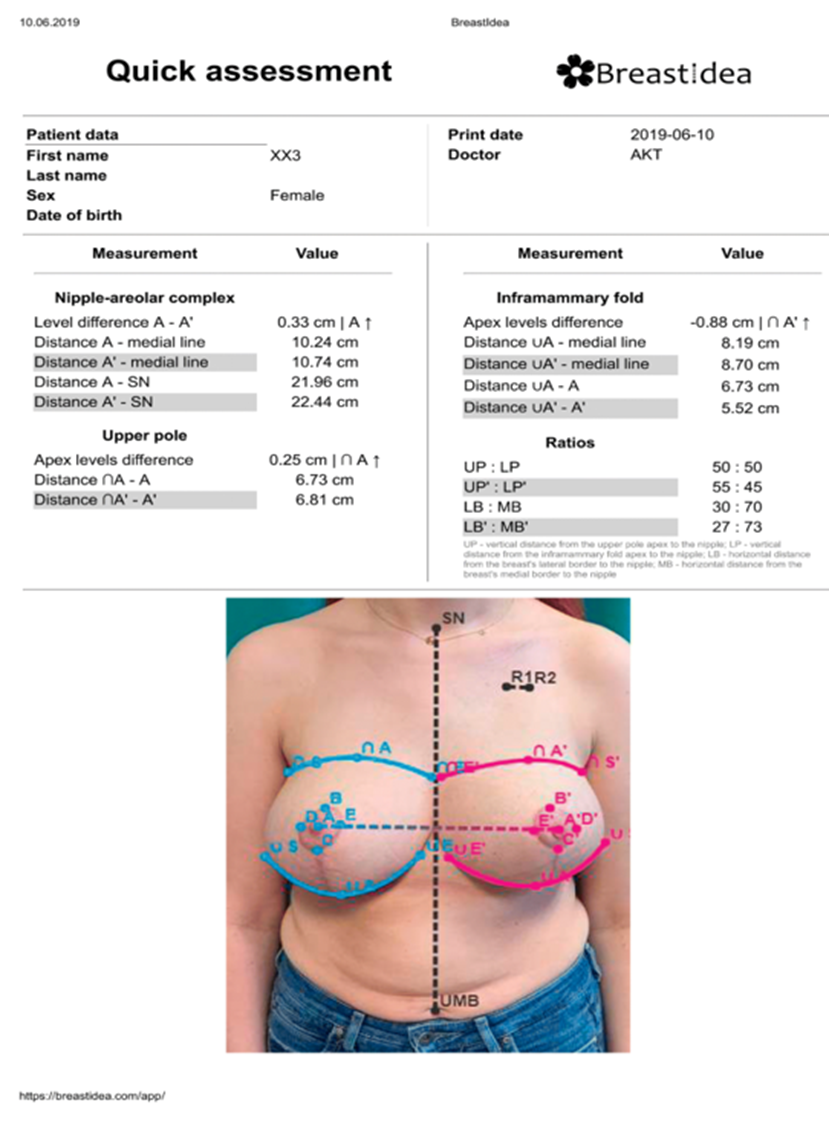
Figure 1: Overview of Therapeutic Pathways of Breast Milk Components in Adult Health.
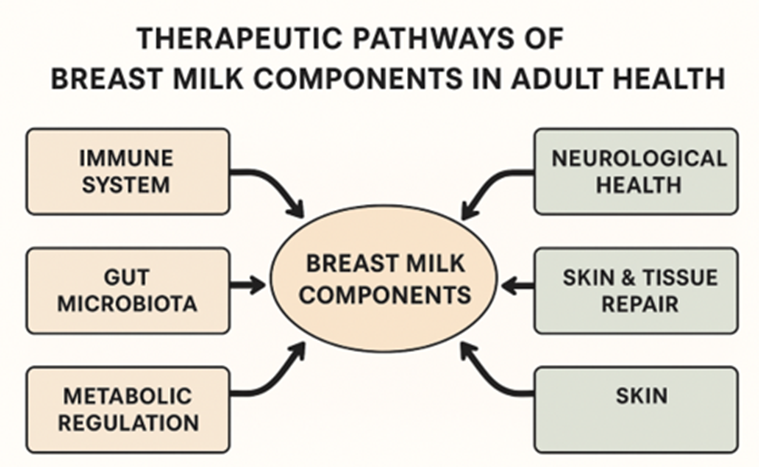

Figure 2: Immune Tailored Breast Milk Components.
Discussion
that bioactive components of human breast milk possess substantial therapeutic potential beyond infancy. These molecules—such as lactoferrin, HMOs, immunoglobulins, cytokines, and milk-derived peptides—function synergistically to regulate immune homeostasis, support microbiome balance, and modulate inflammatory responses. The collective activity of these elements provides a biological foundation for developing immune-tailored interventions aimed at enhancing adult health outcomes. Lactoferrin, a multifunctional glycoprotein, has demonstrated antimicrobial, antiviral, and anti-inflammatory effects in adults. Clinical trials have shown that supplementation with recombinant or bovine lactoferrin can strengthen innate and adaptive immune responses, reduce systemic inflammation, and enhance resistance to respiratory and gastrointestinal infections. Similarly, human milk oligosaccharides (HMOs) play a vital role in shaping the gut microbiota, promoting the proliferation of beneficial bacteria such as Bifidobacterium and Lactobacillus, and preventing pathogen adhesion to epithelial surfaces. These prebiotic and immunomodulatory effects support the hypothesis that HMOs could serve as functional therapeutic agents for adults suffering from gastrointestinal and metabolic disorders. Immunoglobulins and milk-derived peptides also contribute to immune regulation and protection. Passive immunoglobulin transfer enhances mucosal immunity, while bioactive peptides exert antioxidant and antihypertensive properties through modulation of cellular signaling pathways. Furthermore, cytokines, growth factors, and extracellular vesicles (EVs) present in breast milk mediate tissue repair, immune tolerance, and gene regulation through the transfer of functional microRNAs and proteins. Despite the promising potential of these compounds, several challenges limit their translation into clinical practice. The standardization of extraction methods, optimization of dosage, and validation of delivery systems are critical areas requiring further investigation. Additionally, ethical considerations regarding sourcing, alongside the need for scalable and sustainable biotechnological production methods, must be addressed to ensure widespread accessibility and safety. Recent advancements in recombinant and synthetic biology provide feasible solutions to these challenges, enabling the production of high-purity, bioidentical milk components suitable for clinical and nutraceutical applications. Future research should focus on personalized and precision-medicine approaches—linking immune-tailored milk-derived bioactives to individual immunological and metabolic profiles. Integrating bioinformatics, metabolomics, and immunoprofiling tools will enable the identification of optimal therapeutic combinations for specific disease states, paving the way for next-generation nutraceutical and pharmaceutical formulations.
Conclusion
Human breast milk represents a highly complex biological system enriched with immune-active components that extend far beyond neonatal nutrition. The immune-tailored concept reframes these bioactives as potential therapeutic agents for adult medicine. Compounds such as lactoferrin, HMOs, and immunoglobulins show strong preclinical and early clinical evidence supporting their roles in immune enhancement, microbiome modulation, and inflammation control. Translating these discoveries into practical applications requires collaborative efforts across immunology, biotechnology, and clinical research. Large-scale clinical trials, standardized manufacturing protocols, and safety evaluations are necessary to establish efficacy and regulatory approval. The immune-tailored approach to breast milk components offers a promising frontier in biomedical innovation—providing new opportunities for disease prevention, metabolic balance, and overall health optimization in adult populations.
Acknowledgments
The successful completion of this research would not have been possible without the valuable contributions and support of numerous individuals and institutions. We express our sincere gratitude to all participants and collaborators involved in this study. Special thanks are extended to Dr. Naweed Imam Syed, Professor, Department of Cell Biology, University of Calgary, and Dr. Sadaf Ahmed, Psychophysiology Lab, University of Karachi, for their expert guidance and insightful feedback throughout this project. Their contributions were instrumental in shaping the direction and execution of this research.
Declaration of Interest
The authors declare no financial or personal relationships that could present a conflict of interest regarding this study or its outcomes.
Conflicts of Interest
The authors report no conflicts of interest.
Financial Support and Sponsorship
No external funding was received to support the preparation of this manuscript
References
- Ballard O, Morrow AL. Human milk composition: nutrients and bioactive factors. Pediatr Clin North Am. 2013;60(1):49–74.
View at Publisher | View at Google Scholar - Bode L. Human milk oligosaccharides: every baby needs a sugar mama. Glycobiology. 2012;22(9):1147–1162.
View at Publisher | View at Google Scholar - Carr LE, Virmani MD, Rosa F, et al. Role of Human Milk Bioactives on Infants' Gut and Immune Health. Front Immunol. 2021;12:604080.
View at Publisher | View at Google Scholar - Kell DB, Heyden EL, Pretorius E. The biology of lactoferrin, an iron binding protein that can help defend against viruses and bacteria. Front Immunol. 2020;11:1221.
View at Publisher | View at Google Scholar - Kowalczyk P, Kaczyńska K, Kleczkowska P, et al. The lactoferrin phenomenon—A miracle molecule. Molecules. 2022;27(9):2941.
View at Publisher | View at Google Scholar - Guntupalli K, et al. A phase 2 randomized, double blind, placebo controlled study of talactoferrin in patients with severe sepsis. Crit Care Med. 2013;41(3):706–716.
View at Publisher | View at Google Scholar - Vincent JL, Marshall JC, Dellinger RP, et al. Talactoferrin in severe sepsis: results from the phase II/III oral talactoferrin trial. Crit Care Med. 2015;43(9):1832–1838.
View at Publisher | View at Google Scholar - Schönknecht YB, Moreno Tovar MV, Jensen SR, Parschat K. Clinical studies on the supplementation of manufactured human milk oligosaccharides: a systematic review. Nutrients. 2023;15(16):3622.
View at Publisher | View at Google Scholar - Elison E, Vigsnæs LK, Rindom Krogsgaard L, et al. Oral supplementation of healthy adults with 2' O fucosyllactose and lacto N neotetraose is well tolerated and shifts the intestinal microbiota. Br J Nutr. 2016;116(8):1356–1368.
View at Publisher | View at Google Scholar - Zhang A, Sun L, Bai Y, et al. Microbial production of the human milk oligosaccharide lactodifucotetraose. Metab Eng. 2021;66:12–20.
View at Publisher | View at Google Scholar - Rio Aige K, Azagra Boronat I, Castell M, Selma Royo M, Collado MC, Rodríguez Lagunas MJ, Pérez Cano FJ. The breast milk immunoglobulinome. Nutrients. 2021;13(6):1810.
View at Publisher | View at Google Scholar - Melnik BC, Stremmel W, Weiskirchen R, John SM, Schmitz G. Exosome derived microRNAs of human milk and their effects on infant health and development. Biomolecules. 2021;11(6):851.
View at Publisher | View at Google Scholar - Lyu Y, Kim BJ, Patel JS, Dallas DC, Chen Y. Human milk protein derived bioactive peptides from in vitro digested colostrum exert antimicrobial activities against common neonatal pathogens. Nutrients. 2024;16(13):2040.
View at Publisher | View at Google Scholar - Palur DSK, Pressley SR, Atsumi S. Microbial and enzymatic platforms for human milk oligosaccharide production: prospects and challenges. Molecules. 2023;28(3):1491.
View at Publisher | View at Google Scholar - Jyväkorpi SK, Niskanen RT, Markkanen M, et al. Effect of milk fat globule membrane and protein containing snack product on physical performance of older women—A randomized controlled trial. Nutrients. 2023;15(13):2922.
View at Publisher | View at Google Scholar - Barnum CR, Paviani B, Couture G, et al. Engineered plants provide a photosynthetic platform for the production of diverse human milk oligosaccharides. Nat Food. 2024;5:480–490.
View at Publisher | View at Google Scholar - with bovine milk fat globule membrane and lactoferrin in infant formula: a randomized, controlled trial. J Pediatr. 2019;215:24–31.e8.
View at Publisher | View at Google Scholar - Manzoni P, Paoletti V, Rinaldi M, et al. Bovine lactoferrin supplementation for prevention of late onset sepsis in very -low-birth-weight neonates: a randomized trial. JAMA. 2009;302(13):1421–1428.
View at Publisher | View at Google Scholar - Recent insights into breast milk microRNA and functional roles: review. Front Nutr. 2024; (review article).
View at Publisher | View at Google Scholar - Regulatory and safety assessments of recombinant lactoferrin and HMO ingredients for food and therapeutic use: selected reviews and guidelines. (Industry, regulatory literature; 2018–2024).
View at Publisher | View at Google Scholar